
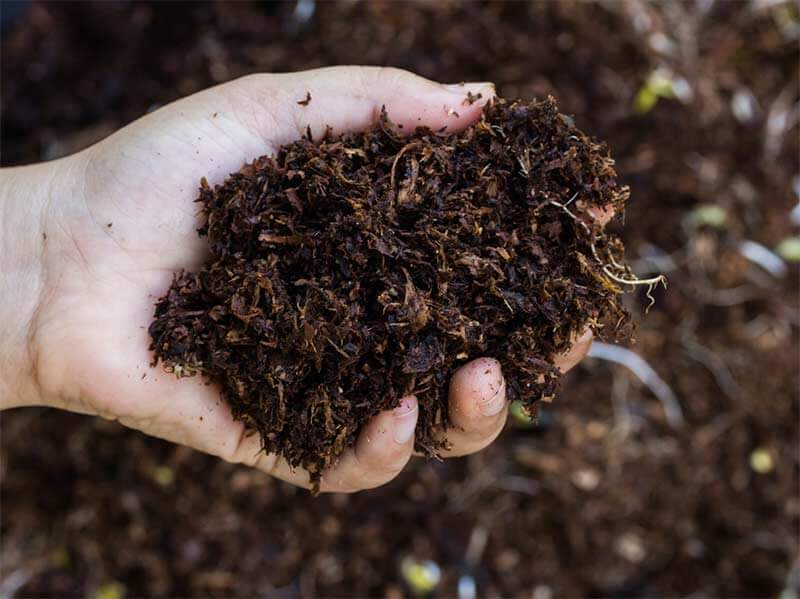
As we often hear about synthetic fertilizers, let’s clarify what really matters. Any substance can be considered a “organic fertilizer”! However, this term typically refers to natural or animal-derived substances. A more accurate classification would categorize organic fertilizers as either organic or inorganic: we have organic fertilizers and inorganic fertilizers, but there is also an intermediate category of organic-mineral fertilizers. Let’s get clear.
The Classification of Organic Fertilizers
When the raw materials used to produce a fertilizer are of organic origin, it’s referred to as an “organic fertilizer.” These substances provide essential nutrients for plants through the root system.
Organic fertilizers contain:
- Macro-elements such as nitrogen, phosphorus, and potassium
- Macro-elements like calcium, magnesium, sulfur, and iron
- Micro-elements like copper, zinc, boron, manganese, and molybdenum
Regardless of classification, all these nutrients are essential for plant growth. We categorize them as macro- or micro-nutrients based on their required quantities.
The Benefits of Organic Fertilizers
Organic fertilizers offer several benefits, including:
- Sustainability: Organic fertilizers promote soil health and fertility without depleting the resource.
- Environmentally friendly: They are biodegradable and non-toxic, reducing the risk of environmental pollution.
- Improved soil health: Organic fertilizers help build a balanced ecosystem in the soil, supporting beneficial microorganisms and nutrient cycling.
- Increased crop yields: By promoting healthy plant growth, organic fertilizers can lead to higher yields and better quality crops.
These natural substances promote healthy plant growth by providing essential nutrients. Organic fertilizers are made from organic materials, such as animal waste or vegetable matter.
Common Types of Organic Fertilizers
Some popular types of organic fertilizers include:
- Compost: A natural substance rich in nutrients, often used to improve soil structure and fertility.
- Manure: Animal waste can be composted or used directly as a fertilizer.
- Sludge: A nutrient-rich byproduct of wastewater treatment.
- Green sand: A type of mineral-based fertilizer made from glauconite, a naturally occurring mineral.
- Bone meal: A slow-release fertilizer made from animal bones.
The Difference Between Letame and Stallatico
When we refer to “letame” or “stallatico,” we’re actually talking about an organic amendment that has undergone processing to reduce water content (drying and maturation). This process makes it suitable for use as a soil conditioner.
Letame is made from animal waste, such as manure, which is dried and processed to create a dense, powder-like substance. Stallatico, on the other hand, is made from fermented plant material, such as grass or wheat straw. It’s a natural, acidic fertilizer that can help lower soil pH.
Vermicompost from Manure
This type of fertilizer is less well-known but highly effective. Vermicompost from manure, also known as “worm compost,” is made by feeding worms with animal waste. The worms break down the organic matter, producing a nutrient-rich humus that can be used as a natural fertilizer.
DIY Organic Fertilizers
You can create your own organic fertilizers at home using household scraps and common ingredients:
- Algae and herbs: Soak algae or herbs in water to create a nutrient-rich liquid fertilizer.
- Eggshells: Crush eggshells to add calcium and other minerals to the soil.
- Coffee grounds: Mix coffee grounds with water to create a liquid fertilizer.
- Brewer’s yeast: Use this byproduct of beer production as a natural fertilizer.
Benefits of Using DIY Organic Fertilizers
Using DIY organic fertilizers can have several benefits, including:
- Cost savings: You can save money on commercial fertilizers and create your own effective solutions.
- Customization: By using household scraps, you can tailor the nutrient profile to your specific soil needs.
- Reduced waste: DIY organic fertilizers reduce waste by utilizing discarded materials.
Conclusion
Organic fertilizers offer a sustainable alternative to synthetic products. By choosing organic options, you can promote healthy plant growth while minimizing your environmental impact.
Frequently Asked Questions
- What are the benefits of using organic fertilizers?
- Improved soil health
- Increased crop yields
- Sustainability
- Environmentally friendly
- Can I make my own organic fertilizer at home?
- Yes, you can create your own DIY organic fertilizers using household scraps and common ingredients.
- What is the difference between letame and stallatico?
- Letame refers to an organic amendment that has undergone processing to reduce water content (drying and maturation).
- How do I choose the right organic fertilizer for my needs?
- Consider the type of crop you’re growing, soil conditions, and the desired nutrient profile.
- What are some common types of organic fertilizers?
- Compost
- Manure
- Sludge
- Green sand
- Bone meal
- How long does it take for organic fertilizers to break down in the soil?
- It depends on the type and quantity of fertilizer used, as well as soil conditions.
- Can I use organic fertilizers on all types of crops?
- Yes, but some crops may require specific nutrient profiles or formulations.
- How can I ensure that my organic fertilizer is effective?
- Follow the instructions on the label, and monitor your crop’s response to the fertilizer.
Common Mistakes When Using Organic Fertilizers
When using organic fertilizers, there are several common mistakes to avoid:
- Overuse: Avoid overusing organic fertilizers, as this can lead to an imbalance in nutrient levels.
- Underuse: Conversely, underusing organic fertilizers may not provide enough nutrients for your crops.
- Insufficient soil testing: Failing to test your soil regularly can lead to incorrect fertilizer applications.
Tips for Effective Organic Fertilizer Use
To get the most out of your organic fertilizers:
- Follow label instructions carefully
- Monitor crop response and adjust fertilizer applications accordingly
- Test your soil regularly to ensure optimal nutrient levels
- Combine organic fertilizers with other sustainable practices, such as cover cropping and composting.
By choosing organic fertilizers and following best practices, you can promote healthy plant growth while minimizing your environmental impact.


