
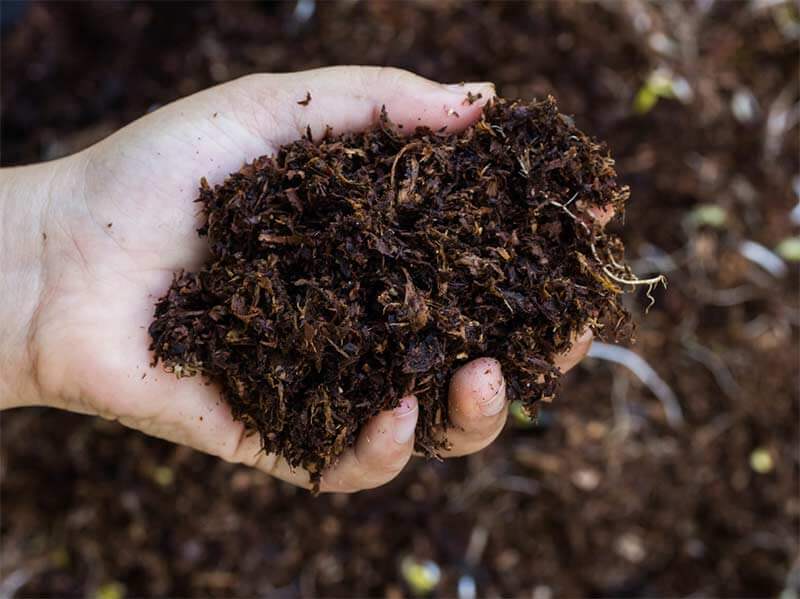
As we strive to create a more sustainable future, it’s essential to understand the importance of organic fertilizers. These natural substances play a vital role in promoting healthy plant growth, improving soil structure, and reducing the environmental impact of conventional farming practices.
Understanding Organic Fertilizers
Organic fertilizers are made from natural sources, including animal waste, plant materials, and microorganisms. They are composed of essential nutrients like nitrogen, phosphorus, and potassium, which are vital for plant growth. These fertilizers work by providing a slow release of nutrients, promoting healthy soil biota, and improving soil structure.
What are Organic Fertilizers?
Organic fertilizers can be categorized into several types based on their source:
- Animal-Derived Fertilizers: These include manure-based products like stallatico and liquid animal waste.
- Vegetable-Based Fertilizers: Compost, green sand, and worm castings are examples of organic fertilizers derived from plant materials.
- Mixture-Based Fertilizers: Some fertilizers combine elements from both animal and vegetable sources.
The Benefits of Organic Fertilizers
Organic fertilizers offer numerous benefits over conventional synthetic fertilizers:
- Improved Soil Health: By supporting the growth of beneficial microorganisms, organic fertilizers enhance soil fertility, structure, and overall health.
- Reduced Environmental Impact: Organic fertilizers minimize the use of synthetic chemicals, which can pollute waterways, harm wildlife, and contribute to climate change.
- Increased Crop Yields: By providing a balanced diet of nutrients, organic fertilizers promote healthy plant growth, leading to increased crop yields and better quality produce.
- Better Water Retention: Organic fertilizers help improve soil’s ability to retain water, reducing the need for frequent watering and minimizing runoff.
Types of Organic Fertilizers
There are several types of organic fertilizers, each with its unique benefits:
- Compost-Based Fertilizers: These include compost teas, composted manure, and finished compost.
- Green Sand Fertilizers: Green sand is a type of organic fertilizer made from glauconite, a mineral-rich sedimentary rock.
- Worm Castings Fertilizers: Worm castings are the nutrient-rich waste produced by worms as they break down organic matter.
Composting: A Key Component of Organic Fertilization
Composting is a simple yet effective way to create nutrient-rich organic fertilizer. This process involves breaking down organic waste, such as food scraps and yard trimmings, into a humus-like substance that can be used to fertilize plants.
Tips for Effective Composting
- Balance Carbon and Nitrogen: Aim for a mix of 2/3 carbon-rich materials (like leaves or straw) and 1/3 nitrogen-rich materials (like food scraps or manure).
- Maintain Moisture Levels: Ensure the compost pile is consistently moist, like a damp sponge.
- Monitor Temperature: Compost piles can get hot – aim for temperatures between 130°F and 140°F.
Composting Methods
There are several composting methods, each with its unique benefits:
- Hot Composting: This method involves actively managing the compost pile to achieve optimal temperature and nutrient levels.
- Cold Composting: This method involves allowing the compost pile to break down slowly over time, often using minimal maintenance.
- Worm Composting: This method involves using worms to break down organic waste into a nutrient-rich fertilizer.
The Benefits of Worm Composting
Worm composting offers several benefits:
- Improved Soil Structure: Worm castings can improve soil’s ability to retain water and nutrients, leading to healthier plants.
-
- Increased Crop Yields: By providing a balanced diet of nutrients, worm castings promote healthy plant growth, leading to increased crop yields and better quality produce.
Worm Composting Methods
There are several worm composting methods, each with its unique benefits:
- Red Wiggler Worms: These worms are well-suited for composting, as they thrive in moist environments and can tolerate a wide range of temperatures.
- Black Soldier Fly Larvae: These insects can be used to break down organic waste into a nutrient-rich fertilizer.
Conclusion
Organic fertilizers offer a sustainable alternative to synthetic chemical-based products. By understanding their benefits, types, and uses, you can make informed decisions about your gardening practices. As we strive to create a more environmentally conscious future, embracing organic fertilization can help promote healthy plant growth, support biodiversity, and reduce our ecological footprint.
FAQs
- What are the primary differences between organic and synthetic fertilizers?
Organic fertilizers are made from natural sources, while synthetic fertilizers are manufactured using chemical processes. - How do organic fertilizers improve soil structure and fertility?
By supporting beneficial microorganisms and providing a slow release of nutrients, organic fertilizers enhance soil health and structure. - Can organic fertilizers be used on all types of plants?
While most organic fertilizers can be used on a wide range of plants, it’s essential to choose the right type for specific plant needs. - How do I create my own compost fertilizer at home?
Composting involves breaking down organic waste into a nutrient-rich humus-like substance – simply balance carbon and nitrogen levels, maintain moisture, and monitor temperature. - What are some common mistakes to avoid when using organic fertilizers?
Overuse can lead to nutrient imbalances, so it’s crucial to follow recommended application rates and monitor plant response. - Can I use compost fertilizer on acidic soil?
While most composts tend to be neutral or slightly alkaline, you can create an acidic compost by adding more carbon-rich materials like peat moss or sawdust. - How do organic fertilizers affect the environment?
By reducing synthetic chemical use, organic fertilizers minimize water pollution, protect wildlife habitats, and contribute to climate change mitigation. - Can I use organic fertilizers on a large scale for commercial farming?
Yes, but it’s essential to ensure proper application rates, crop selection, and soil monitoring to achieve optimal results.


