
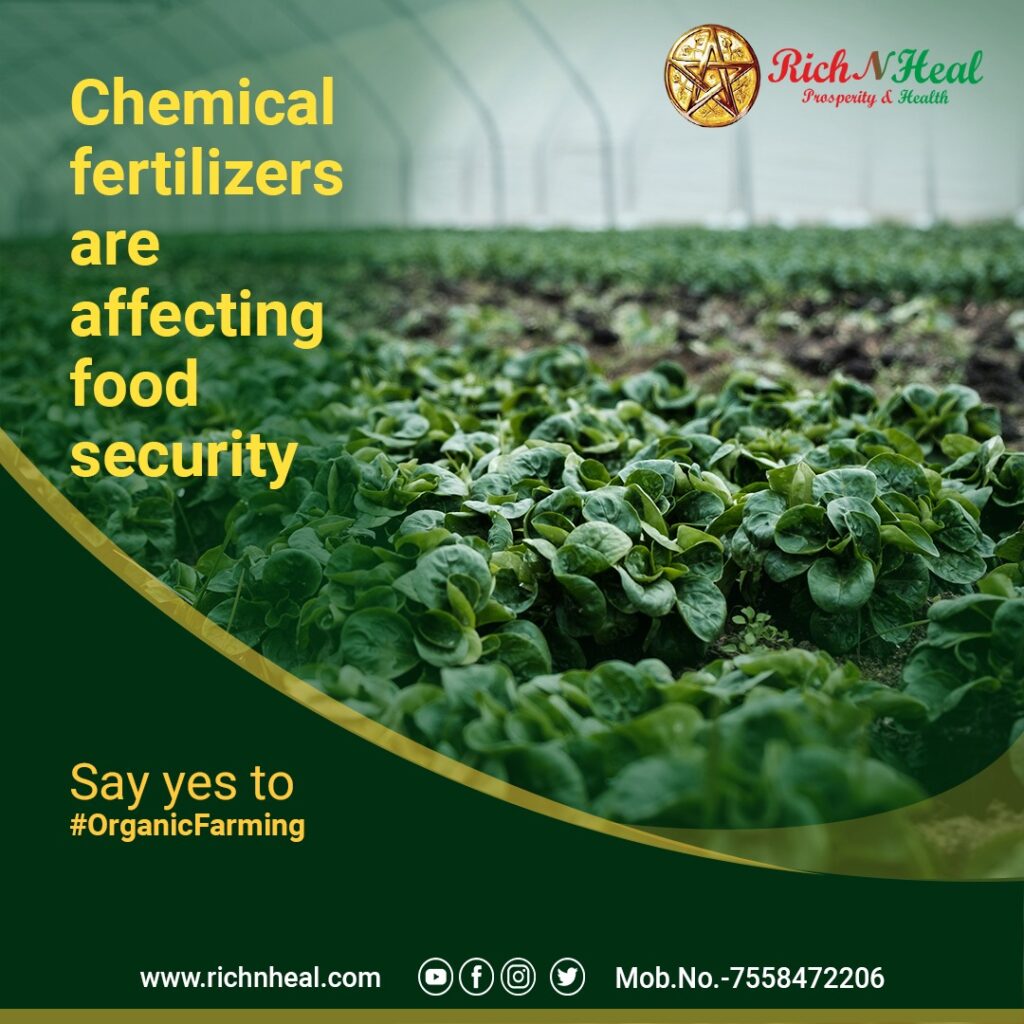
When it comes to choosing the right food for our health and well-being, many of us turn to organic farming as a safer alternative. But is this really the case? As we delve into the world of organic agriculture, we’ll explore the benefits and drawbacks of this popular choice.
What Does Organic Farming Really Mean?
Organic farming, also known as biodynamic farming, is an approach to agriculture that focuses on using natural methods to promote soil health, biodiversity, and efficient use of resources. While it’s often associated with health benefits, is organic farming really the superior option?
The Great Debate: Health vs. Environmental Benefits
Recent studies have shed light on the perceived benefits of organic farming, but a closer look reveals that it may not be as straightforward as we thought. The environmental impact of organic farming is a crucial factor to consider.
A Closer Look at Carbon Sequestration
One of the key differences between conventional and organic farming lies in their effects on soil carbon levels. Research conducted by Andreas Gattiner, an agronomist at the Swiss Federal Institute for Rural Economics (FIR), investigated the carbon content of soils in fields grown with either organic or conventional methods.
The Study: A Comparative Analysis
Gattiner’s study analyzed 74 studies that compared the carbon content of soils in fields grown using organic and conventional farming practices. The results showed that, on average, soils used for organic farming had approximately 3.4 tons of carbon per acre more than those used for conventional farming.
The Carbon Footprint of Organic Farming
But what does this mean for our planet? The accumulation of carbon in organic soils can lead to significant reductions in greenhouse gas emissions. According to the study, fields dedicated to organic farming absorb and sequester approximately 450 kilograms of CO2 equivalent per acre every year.
So, What Does it All Mean?
In simple terms, when we eat food grown using organic methods, we’re not necessarily getting a healthier product. Instead, we’re supporting an agricultural approach that promotes environmental sustainability.
The Environmental Impact of Conventional Farming
Conventional farming practices have been criticized for their negative impact on the environment. The widespread use of synthetic fertilizers and pesticides can lead to soil degradation, water pollution, and loss of biodiversity.
Reducing Synthetic Fertilizers
Synthetic fertilizers are often used in conventional farming to increase crop yields. However, these chemicals can contaminate soil and groundwater, leading to long-term environmental damage. By adopting organic methods, farmers can reduce their reliance on synthetic fertilizers and promote more sustainable practices.
Promoting Biodiversity
Organic farming promotes biodiversity by maintaining diverse ecosystems and promoting ecological balance. This approach encourages the growth of beneficial microorganisms in soils, which can lead to improved soil health and reduced environmental pollution.
The Role of Bees in Organic Farming
Bees play a crucial role in organic farming, as they help pollinate crops and maintain ecosystem balance. By supporting local beekeepers and adopting integrated pest management (IPM) practices, farmers can promote the health and well-being of these vital insects.
Conclusion: The Organic Debate Continues
As we navigate the complexities of agriculture, it’s crucial to separate fact from fiction. In this article, we’ve explored the often-debated topic of organic farming and its perceived health benefits. By understanding the intricacies of soil carbon levels and environmental impact, we can make informed choices about our food systems.
Frequently Asked Questions
Q: Is organic farming really better for my health?
A: While it may promote sustainability, there’s no conclusive evidence that organic farming directly improves human health.
Q: What are the benefits of using organic methods in agriculture?
A: Organic farming promotes environmental sustainability by reducing greenhouse gas emissions and preserving soil carbon levels.
Q: How does organic farming impact biodiversity?
A: By maintaining diverse ecosystems and promoting ecological balance, organic farming can lead to increased biodiversity.
Q: Can I make a difference by choosing locally sourced food?
A: Absolutely! Supporting local farmers and advocating for sustainable practices contributes significantly to a healthier planet.
Q: Are there any drawbacks to using organic methods in agriculture?
A: Organic farming often requires more labor-intensive processes, increasing costs and environmental pressures on already resource-constrained areas.
Q: Can conventional farming be made more sustainable?
A: Yes! By adopting environmentally friendly practices, reducing synthetic fertilizers, and promoting ecological balance, conventional farming can become a more sustainable option.
Q: How do I make informed choices about my food systems?
A: Research local farmers, advocate for policy changes, and support organizations working towards environmental sustainability.
The Future of Sustainable Agriculture
As we move forward in the 21st century, it’s clear that sustainable agriculture is crucial for our planet’s future. By adopting environmentally friendly practices and supporting local farmers, we can create a healthier food system that benefits both people and the environment.
Breaking Down the Stigma: The Benefits of Organic Farming for Human Health
While organic farming may not have direct health benefits, it can contribute to improved overall well-being by promoting environmental sustainability. By choosing locally sourced food and supporting sustainable practices, we can:
- Reduce exposure to pesticides: Conventional farming often relies on synthetic fertilizers and pesticides, which have been linked to various health problems.
- Improve mental health: Studies have shown that spending time in nature can improve mental health and reduce stress levels.
- Support local communities: Buying locally sourced food from organic farms contributes to the economic well-being of rural communities.
Conclusion: A Balanced Approach
As we navigate the complexities of agriculture, it’s crucial to adopt a balanced approach that considers both human and environmental needs. By choosing organic methods when possible and supporting sustainable practices, we can create a healthier planet for future generations.
Additional Resources
- The USDA Organic Program: Learn more about the USDA Organic Program and its standards.
- The National Organic Coalition: Explore resources on sustainable agriculture and organic farming.
- Local Harvest: Find local farmers markets and support sustainable agriculture in your area.
Conclusion
In conclusion, while organic farming may not be the only solution to our environmental challenges, it can contribute significantly to promoting sustainability. By understanding the benefits and drawbacks of organic farming, we can make informed choices about our food systems and adopt a more balanced approach to agriculture.


