
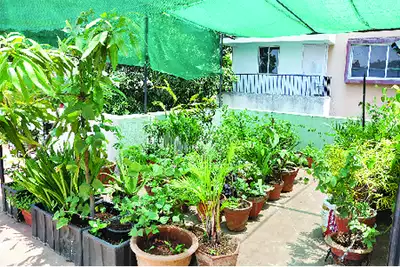
Are you tired of buying wilted and bland vegetables from the grocery store? Do you want to grow your own fresh produce right in your balcony garden? If so, you’re in luck! Growing organic food on your balcony is a great way to have access to healthy, nutritious fruits and vegetables while minimizing your impact on the environment.
But before we dive into the nitty-gritty of growing your own food, let’s talk about why it’s so important to start with our daily waste. Our household trash is filled with organic materials that can be turned into nutrient-rich compost, which is perfect for supporting plant growth and enhancing flavor. By repurposing these materials, we can create a sustainable and self-sufficient garden ecosystem.
The Benefits of Growing Your Own Food on Your Balcony
Growing your own food on your balcony offers numerous benefits, including:
- Freshness: There’s no better feeling than biting into a juicy tomato or crunching into a fresh carrot, knowing that it was grown just for you.
- Nutrition: Homegrown produce is often higher in nutrients and antioxidants than store-bought options.
- Environmental Impact: By growing your own food, you’re reducing your reliance on industrial agriculture and the carbon footprint associated with transportation.
- Cost-Effective: Growing your own food can save you money on grocery bills and provide a sense of accomplishment and pride in your ability to produce your own food.
Choosing the Right Plants
When it comes to growing your first balcony garden, it’s essential to start with easy-to-grow plants that require minimal maintenance. Some of the best options include:
- Basil: A classic choice for balcony gardens, basil is easy to grow and can be used in a variety of dishes.
- Tomatoes: Whether you prefer cherry tomatoes or larger varieties like beefsteak tomatoes, they’re both perfect for balconies.
- Rosemary: This fragrant herb is drought-tolerant and requires minimal care.
- Peppers: Both sweet and hot peppers are easy to grow on balconies and can add a burst of flavor to any dish.
- Zucchini: This versatile summer squash is easy to train onto a trellis or other support.
Setting Up Your Balcony Garden
Before you start planting, take some time to assess your balcony’s space and lighting conditions. You’ll want to choose containers that provide the right amount of sunlight and support for plant growth. Make sure to position your containers in areas with direct sunlight for at least six hours a day. Avoid placing them in breezy spots or under trees, as this can cause temperature fluctuations.
Selecting the Right Containers
When it comes to choosing containers, look for ones that are well-draining and have good air circulation. A good rule of thumb is to choose containers that are at least 5-7 gallons in size to provide enough room for root growth. Avoid using old pots or containers that may harbor pests or diseases.
Choosing the Right Soil
When it comes to selecting soil, avoid using reclaimed soil from lawns or grassy areas. This type of soil is often too compact and can contain weed seeds that require frequent pruning. Instead, opt for a high-quality, organic potting mix specifically designed for balcony gardens.
Composting: The Key to Healthy Growth
Composting is the backbone of any successful balcony garden. By turning our household waste into nutrient-rich compost, we can create a sustainable ecosystem that supports plant growth and enhances flavor. Look for locally sourced or community-run composting programs, or consider creating your own at home with a simple composter.
Fertilizing Your Plants
When it comes to fertilizing your plants, the best option is always compost. Compost provides a slow release of nutrients that support healthy plant growth while minimizing environmental impact. If you don’t have access to fresh compost, consider using a high-quality, organic fertilizer specifically designed for balcony gardens.
Tips and Tricks for Balcony Gardeners
- Use a trellis or other support system to train your plants upwards and maximize space.
- Mulch around the base of your plants to retain moisture and suppress weeds.
- Water your plants when the top inch of soil feels dry to the touch, avoiding overwatering.
- Fertilize regularly with compost or a high-quality fertilizer.
- Keep an eye out for pests and diseases, using organic methods whenever possible.
Common Challenges and Solutions
- Pests: Aphids, whiteflies, and spider mites are common pests that can infest balcony gardens. Use neem oil or insecticidal soap to control these pests without harming your plants.
- Diseases: Fungal diseases like powdery mildew and leaf spot can affect balcony gardeners. Use copper-based fungicides or organic alternatives like compost tea to treat these issues.
- Temperature Fluctuations: Make sure to provide enough shade or use a heat-resistant container to protect your plants from extreme temperatures.
Conclusion
Growing organic food on your balcony is a rewarding and sustainable way to enjoy fresh produce right in your own backyard. By starting with the basics – choosing the right plants, setting up your garden, selecting containers, and fertilizing with compost – you’ll be well on your way to creating a thriving ecosystem that supports healthy growth and flavor.
Frequently Asked Questions
Q: What’s the best way to get started with my balcony garden?
A: Start by assessing your balcony’s space and lighting conditions. Choose easy-to-grow plants like basil, tomatoes, rosemary, peppers, and zucchini. Select containers that provide enough sunlight and support for plant growth.
Q: How often should I water my plants?
A: Water your plants when the top inch of soil feels dry to the touch. Avoid overwatering, which can lead to root rot and other issues.
Q: What’s the best way to fertilize my plants?
A: Compost is always the best option! Use a high-quality, organic fertilizer specifically designed for balcony gardens or create your own compost at home.
Q: Can I grow fruits on my balcony?
A: Yes! Many fruit-bearing plants can thrive in containers, including strawberries, blueberries, and citrus trees. Just be sure to provide enough sunlight and support for growth.
Q: How much space do I need for a small balcony garden?
A: You don’t need a lot of space to grow your own food on a balcony. Choose compact or dwarf varieties of plants, and use vertical gardening techniques like trellises or shelves to maximize space.
Q: What’s the most common problem people face when growing on balconies?
A: Temperature fluctuations are a common issue for balcony gardeners. Make sure to provide enough shade or use a heat-resistant container to protect your plants from extreme temperatures.
Q: Can I grow food in containers with poor drainage?
A: Yes, but it can lead to root rot and other issues! Make sure to choose containers with good drainage holes or consider using a self-watering planter to minimize water loss.
Q: How long does it take for my plants to mature?
A: The time it takes for your plants to mature depends on the variety and growing conditions. Generally, it can take anywhere from 3-6 months for seedlings to reach maturity.
Q: Can I grow food in containers with pests or diseases?
A: Yes, but it can be challenging! Make sure to choose disease-resistant varieties of plants, use organic pest control methods whenever possible, and keep your containers clean and well-maintained.


