
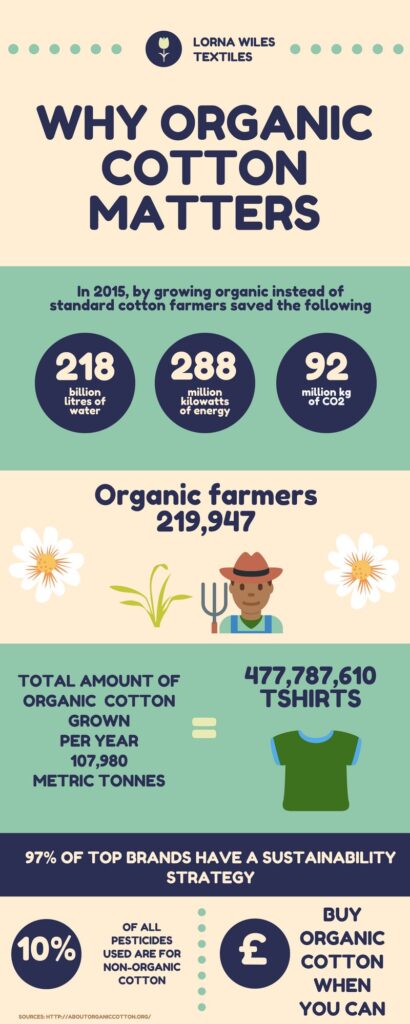
As consumers become increasingly aware of the environmental and social impact of their purchasing decisions, the demand for sustainable fashion is on the rise. One material that stands out as a leader in this field is organic cotton. In this article, we’ll explore the benefits of using organic cotton in clothing production, from its environmentally friendly production methods to its versatility in various applications.
What is Organic Cotton?
Organic cotton is grown without the use of synthetic pesticides and fertilizers, which can harm the environment and human health. The production process involves only natural farming practices, ensuring that the cotton is free from toxic substances and by-products. This approach not only benefits the environment but also promotes sustainable agriculture.
Certification and Regulation
To ensure that organic cotton meets the required standards, third-party organizations verify the production processes and certify the cotton as “organic.” In Europe, the regulation governing organic cotton production is the CE n°834/2007, which sets strict guidelines for farming practices and pesticide use. Globally, the demand for organic cotton has grown significantly over the years, with a 20% increase in cultivation between 2009 and 2011.
Global Production and Demand
Despite its growing popularity, organic cotton still accounts for only about 1% of global cotton production. This is largely due to the low cost of conventional cotton, which makes it an attractive option for many manufacturers. However, with increasing consumer awareness of environmental issues, the demand for sustainable fashion materials like organic cotton is on the rise.
Top Producers and Applications
Organic cotton is grown in 22 countries around the world, with India, Turkey, Syria, Tanzania, China, the United States, Uganda, Peru, Egypt, and Burkina Faso among the top producers. Beyond clothing production, organic cotton is used in various applications, including:
- Personal care products
- Household textiles (bedding, towels)
- Baby products (diapers, bibs)
- Home decor items (rugs, upholstery)
- Stationery and paper products
Benefits of Organic Cotton
So why choose organic cotton? Here are just a few benefits:
- Environmental sustainability: Organic cotton production requires fewer resources and generates less waste than conventional farming methods.
- Improved health: Organic cotton is free from toxic pesticides and fertilizers, making it a healthier choice for consumers.
- Increased versatility: Organic cotton can be used in a wide range of applications, from clothing to home decor.
Sustainable Production Methods
Organic cotton production involves several sustainable methods that benefit the environment and promote eco-friendly practices:
- Crop rotation: This technique involves rotating crops to maintain soil fertility and reduce pest buildup.
- Composting: Composting helps to recycle nutrients, reduce waste, and create a natural fertilizer for future crops.
- Irrigation management: Sustainable irrigation systems conserve water and reduce the environmental impact of farming practices.
Reducing Carbon Footprint
The production process of conventional cotton contributes significantly to greenhouse gas emissions. By choosing organic cotton, consumers can help reduce their carbon footprint:
- Carbon offsetting: Some companies offer carbon offsetting programs that compensate for the emissions generated during cotton cultivation.
- Supply chain transparency: Consumers can demand more information about the supply chain and production methods used by manufacturers.
Economic Benefits
The growth of organic cotton production presents economic opportunities for farmers, suppliers, and consumers:
- Increased income: Organic cotton farming provides a higher income for farmers compared to conventional cotton cultivation.
- Job creation: The expansion of organic cotton production creates new job opportunities in the supply chain and manufacturing industries.
Challenges and Limitations
Despite its benefits, organic cotton production faces several challenges and limitations:
- Higher costs: Organic cotton is often more expensive than conventional cotton due to higher production costs.
- Limited availability: Organic cotton products may be harder to find, especially in regions with limited supply chains.
Conclusion
Organic cotton is a sustainable alternative to conventional cotton that offers numerous benefits for the environment and human health. As consumers become more aware of their purchasing power, the demand for eco-friendly fashion materials like organic cotton is on the rise. By choosing organic cotton, we can make a positive impact on the world around us.
Frequently Asked Questions
- Q: Is organic cotton more expensive than conventional cotton?
A: While some products may be more expensive due to higher production costs, organic cotton can also lead to longer product lifetimes and reduced waste. - Q: How is organic cotton grown?
A: Organic cotton is grown without synthetic pesticides and fertilizers using natural farming practices. - Q: Is organic cotton suitable for all clothing types?
A: Yes, organic cotton can be used for a wide range of clothing items, from casual wear to formal wear. - Q: Can I compost organic cotton products?
A: Organic cotton is biodegradable and can be composted at the end of its life cycle. - Q: How do I identify organic cotton products?
A: Look for certifications like GOTS (Global Organic Textile Standard) or Oeko-Tex, which ensure that the product meets organic cotton standards. - Q: Can I dye organic cotton?
A: Yes, organic cotton can be dyed using natural dyes or low-impact synthetic dyes. - Q: Is organic cotton suitable for baby products?
A: Absolutely! Organic cotton is gentle on skin and a healthy choice for babies. - Q: How does organic cotton compare to other sustainable materials?
A: Organic cotton has its own unique benefits, but it may not be the best option for every product. Consider factors like cost, durability, and environmental impact when choosing a sustainable material.


