
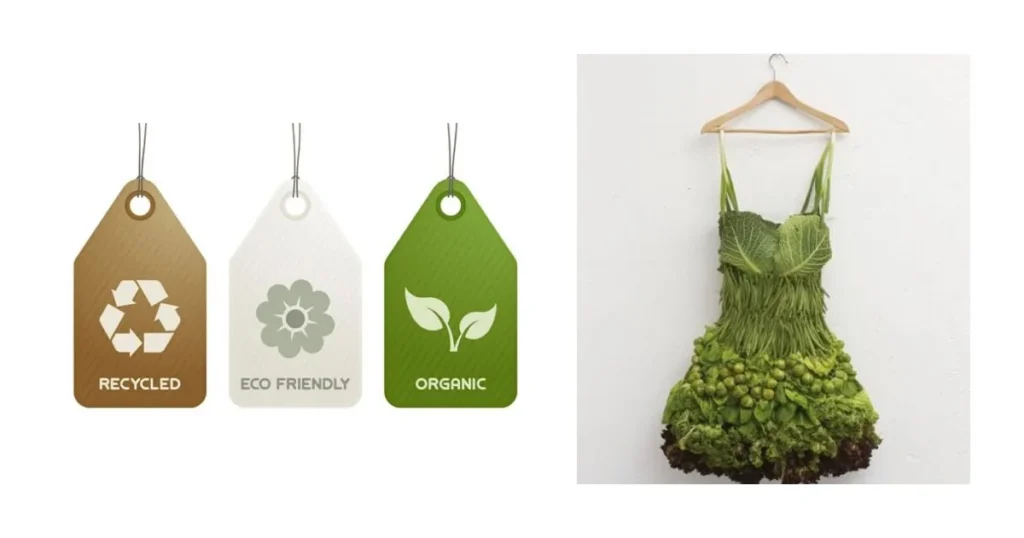
As we navigate the complexities of modern life, many of us are seeking ways to live more sustainably. This shift towards eco-friendliness can be achieved through simple yet effective changes in our daily habits, including the clothing we wear. Today, consumers have access to a wide range of eco-friendly apparel options that not only benefit the environment but also promote better health and well-being.
In this article, we’ll delve into the world of bio-based clothing, exploring its benefits, types, and where to find it. By adopting sustainable fashion practices, we can make a positive impact on our planet and contribute to a more environmentally conscious lifestyle.
What is Bio-Based Clothing?
Bio-based clothing refers to garments made from natural fibers produced through biological processes. This type of apparel meets the criteria for being considered eco-friendly, as it’s made from materials that are biodegradable, non-toxic, and gentle on the skin. Some common bio-based fibers include organic cotton, hemp, bamboo, and Tencel.
To be labeled as “bio-based clothing,” manufacturers must adhere to specific guidelines. They must use natural methods for soil management, pest control, and disease prevention during the production process. This ensures that the final product is not only sustainable but also safe for human consumption.
The Benefits of Bio-Based Clothing
Bio-based clothing offers numerous benefits, making it an attractive option for those seeking eco-friendly fashion. Some key advantages include:
• Comfort: Bio-based fabrics are often soft, breathable, and moisture-wicking, ensuring optimal comfort throughout the day.
• Health Benefits: Natural fibers can reduce skin irritation and allergic reactions, making them ideal for people with sensitive skin.
• Sustainability: By choosing bio-based clothing, consumers can significantly reduce their environmental footprint and contribute to a more sustainable fashion industry.
• Timeless Style: Bio-based fabrics tend to have a longer lifespan than synthetic materials, reducing the need for frequent replacements and waste.
Organic Cotton: A Popular Choice
Among the various bio-based fibers, organic cotton stands out for its exceptional comfort, durability, and sustainability. Organic cotton is grown without synthetic pesticides or fertilizers, ensuring that the final product is free from harsh chemicals.
Organic cotton clothing is perfect for everyday wear, whether it’s casual T-shirts, yoga pants, or dresses. Its natural breathability and moisture-wicking properties make it an excellent choice for active individuals.
Where to Buy Bio-Based Clothing
With the rise of e-commerce, consumers can now easily find eco-friendly fashion options online. Some popular retailers specializing in bio-based clothing include:
• Altramoda Vestire Bio: An Italian website offering a wide range of certified organic and sustainable clothing.
• Shop online specializers: Many online stores offer eco-friendly fashion options, making it easier for consumers to make sustainable choices.
Bio-Based Clothing in Yoga
The yoga community has long recognized the benefits of bio-based clothing. The practice’s emphasis on connection with nature makes it an ideal environment for natural fibers.
Yoga wear made from bio-based materials is designed to provide comfort, flexibility, and breathability during intense physical activity. Organic cotton, hemp, and bamboo are popular choices among yogis, as they offer exceptional durability and sweat-wicking properties.
In addition to yoga wear, bio-based clothing can also be found in other categories, such as:
• Activewear: Bio-based fabrics like polyester-free activewear are designed for high-intensity workouts and provide a comfortable, breathable fit.
• Sleepwear: Organic cotton sleep shirts and PJs offer the perfect blend of comfort and sustainability for a restful night’s sleep.
The Impact on the Environment
Bio-based clothing has numerous environmental benefits that set it apart from synthetic materials. Some key advantages include:
• Reduced Greenhouse Gas Emissions: Bio-based fabrics require less energy to produce, resulting in lower greenhouse gas emissions.
• Water Conservation: Organic cotton farming requires significantly less water than traditional cotton production methods.
• Soil Conservation: Bio-based fibers promote healthy soil biota and reduce the need for synthetic fertilizers.
The Economic Benefits
In addition to environmental benefits, bio-based clothing also offers economic advantages. Some key benefits include:
• Reduced Production Costs: Organic cotton farming can be more cost-effective than traditional cotton production methods.
• Increased Demand: Growing demand for eco-friendly fashion options is creating new business opportunities and driving innovation in the industry.
Conclusion
The rise of sustainable fashion has led to a growing demand for eco-friendly clothing options. Bio-based clothing, made from natural fibers produced through biological processes, offers numerous benefits, including comfort, health benefits, sustainability, and timeless style.
By embracing bio-based clothing, consumers can contribute to a more environmentally conscious lifestyle and promote a healthier planet for future generations. As the fashion industry continues to evolve, it’s essential to prioritize sustainability and eco-friendliness in our purchasing decisions.
FAQs
- What are the benefits of wearing bio-based clothing?
Bio-based clothing provides comfort, health benefits, sustainability, and timeless style. - How do I choose the right bio-based fabric for my needs?
Consider factors like activity level, climate, and personal preferences when selecting a bio-based fabric. - Can bio-based clothing be machine washed?
Yes, most bio-based fabrics can be machine washed, but always check the care label to ensure proper washing instructions. - How do I care for my bio-based clothing?
Follow the manufacturer’s care instructions and wash garments in cold water to maintain their quality and longevity. - Is bio-based clothing more expensive than synthetic materials?
Yes, eco-friendly fashion options can be pricier than synthetic alternatives; however, the benefits of sustainable living often outweigh the initial investment. - Can I wear bio-based clothing for both casual and formal occasions?
Bio-based fabrics are suitable for a wide range of activities, from everyday wear to yoga and other physical pursuits. - How do I ensure the quality of my bio-based clothing?
Choose reputable brands that adhere to sustainable production methods and use natural materials. - Can I recycle or repurpose bio-based clothing?
Yes, many eco-friendly fashion items can be recycled or repurposed, reducing waste and extending their lifespan.
What’s Next for Sustainable Fashion
As the demand for eco-friendly fashion options continues to grow, manufacturers are responding with innovative solutions that prioritize sustainability and environmental responsibility. Some emerging trends in sustainable fashion include:
• Upcycling: Creating new products from existing materials reduces waste and extends the life of garments.
• Biodegradable Materials: Developing biodegradable materials that can easily decompose at the end of their life cycle reduces waste and minimizes environmental impact.
• Circular Business Models: Encouraging a closed-loop production system where garments are designed to be recycled, reused, or upcycled reduces waste and promotes sustainability.
By embracing these emerging trends and prioritizing sustainability in our purchasing decisions, we can create a more environmentally conscious fashion industry that benefits both people and the planet.


