
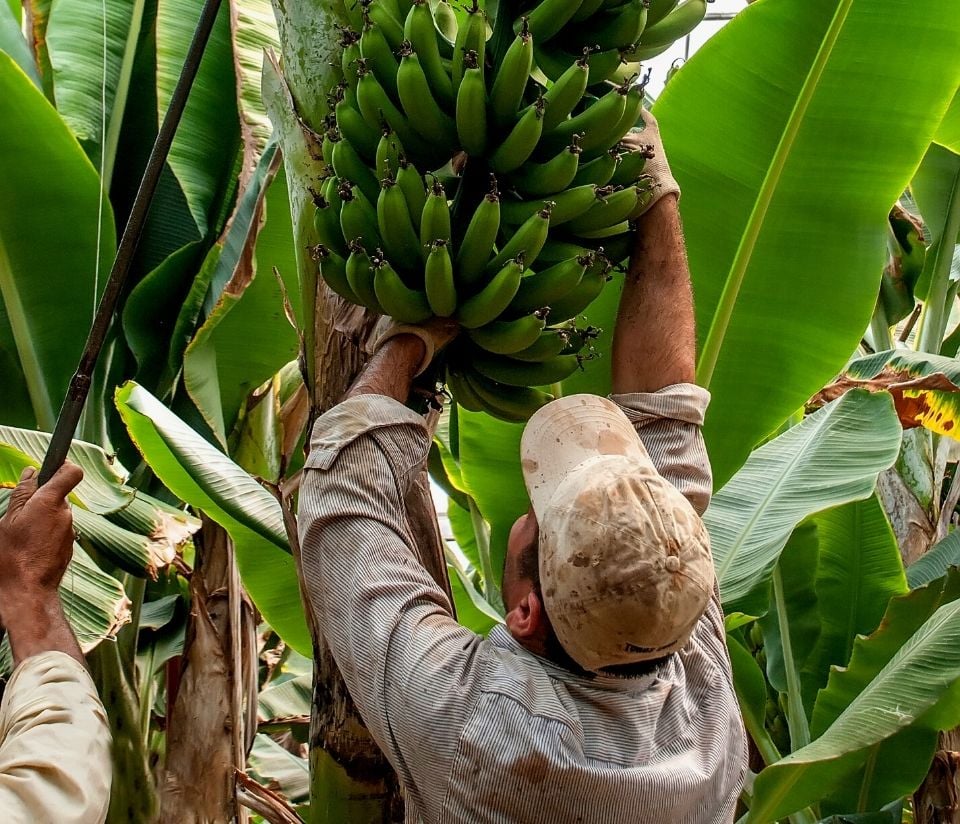
As a consumer, you may think that organic bananas are the healthier and more sustainable choice. But is this really the case? Let’s take a closer look at the world of organic bananas and explore the complex issues surrounding their production.
What Are Organic Bananas?
Organic bananas come from plantations cultivated without synthetic pesticides and fertilizers. To ensure that you’re getting an organic banana, you need to check for the “EU Bio” certification. But what does this mean in practice?
The EU Bio certification is a mark of quality that guarantees the product has been grown according to strict standards set by the European Union. These standards include requirements for soil conservation, water use, and pest management.
However, it’s worth noting that not all organic bananas carry this certification. Some producers may use the term “organic” without obtaining formal certification from a recognized authority. This is often referred to as “de facto organic.”
The Risks of Post-Harvest Treatment
While organic farming is a more natural approach, some producers may still use post-harvest treatments to extend shelf life. These treatments can include chemicals that aren’t allowed by European regulations but are deemed acceptable in certain circumstances.
For example, some banana producers from the Dominican Republic use post-harvest treatment to prevent fungal attacks during transportation. This process involves applying a coating to the bananas’ skin to protect them from infection. However, this treatment can have unintended consequences on the fruit’s natural processes and may not be necessary for organic production.
The Big Picture: From Farm to Table
The journey of an organic banana is often longer than you might think. The fruit must be transported immediately after harvesting, ideally within 16 days of picking, to maintain its quality. However, this can create logistical challenges, especially when it comes to sourcing bananas from smaller, local farms.
This long supply chain can lead to issues such as bruising and spoilage during transportation. Additionally, the use of post-harvest treatments may not be feasible for all producers due to limitations on storage facilities or transportation infrastructure.
Fair Trade and Human Rights
While big brands may tout their commitment to Fair Trade, the reality is that many workers in banana plantations struggle with poverty and poor working conditions. The Center for Consumer Protection reports that workers in these plantations often face long hours, low pay, and no social safety nets.
The issue of Fair Trade is particularly concerning when it comes to organic bananas. While some producers may adhere to strict standards, others may still prioritize profits over people.
Organic Banana Farming: A Sustainable Approach
So, how do organic banana farms actually work? These plantations use natural methods to control pests and diseases, such as hand-weeding and using mineral-based fertilizers.
The key is in the soil. By rotating crops and using natural concimi (a type of compost), farmers can maintain a healthy ecosystem that requires fewer chemicals. This approach not only benefits the environment but also ensures that the bananas remain fresh and flavorful.
Organic banana farming also promotes biodiversity by planting multiple varieties of plants alongside each other, which helps to create a balanced ecosystem.
The Impact of Bananas on the Environment
Bananas are one of the most widely traded fruits in the world. However, their production has a significant impact on the environment.
For example, large-scale banana plantations can lead to deforestation and habitat destruction due to the clearing of land for farming purposes.
Additionally, bananas require large amounts of water to produce. In some cases, this water usage can strain local resources and exacerbate droughts.
Making an Informed Choice
As consumers, we have the power to demand better from the food industry. When it comes to organic bananas, choose options that come directly from small, local farms rather than big brands. By supporting these producers, you’re helping to create a more equitable and sustainable food system.
When shopping for organic bananas, look for certifications such as Fair Trade or Organic Farmers Association (OFA). These organizations promote fair labor practices and sustainable farming methods.
Frequently Asked Questions
- What is EU Bio certification?
EU Bio certification ensures that bananas have been grown without synthetic pesticides or fertilizers. - Why are some organic bananas treated post-harvest?
Post-harvest treatment may be used to prevent fungal attacks during transportation, but this can compromise the fruit’s natural processes. - How do I ensure I’m getting an organic banana?
Look for the EU Bio certification or choose options from small, local farms. - What is Fair Trade and why is it important?
Fair Trade ensures that workers in banana plantations receive fair wages and decent working conditions. - Can all organic bananas be produced sustainably?
Not necessarily. While organic farming can reduce the need for chemicals, some producers may still prioritize profits over people. - How do I choose an organic banana from a small farm?
Opt for options that come directly from local farms or support cooperatives like CTM. - What are some common pests that affect bananas?
Common pests include nematodes, whiteflies, and fungus gnats. - Can organic bananas be transported safely without compromising quality?
Yes, with proper handling and storage, organic bananas can be transported safely while maintaining their quality.
Innovations in Organic Banana Production
There are many innovations happening in the world of organic banana production that could help to improve sustainability and reduce the environmental impact of this crop.
For example, some farmers are using precision agriculture techniques such as drone surveillance to monitor soil health and detect pests early. This can lead to more targeted and effective pest control methods, reducing the need for chemicals.
Another innovation is the use of biodegradable packaging materials that can reduce waste and minimize the environmental impact of transportation.
Conclusion
The world of organic bananas is complex and multifaceted. While they may seem like a healthier choice, it’s essential to consider the entire supply chain and the impact on workers and the environment.
By making informed choices and supporting small, local farms, we can create a more sustainable food system that benefits everyone involved.
As consumers, we have the power to demand better from the food industry. By choosing organic bananas from small, local farms, we’re promoting fair labor practices, reducing our carbon footprint, and ensuring that this nutritious fruit is available for generations to come.


