
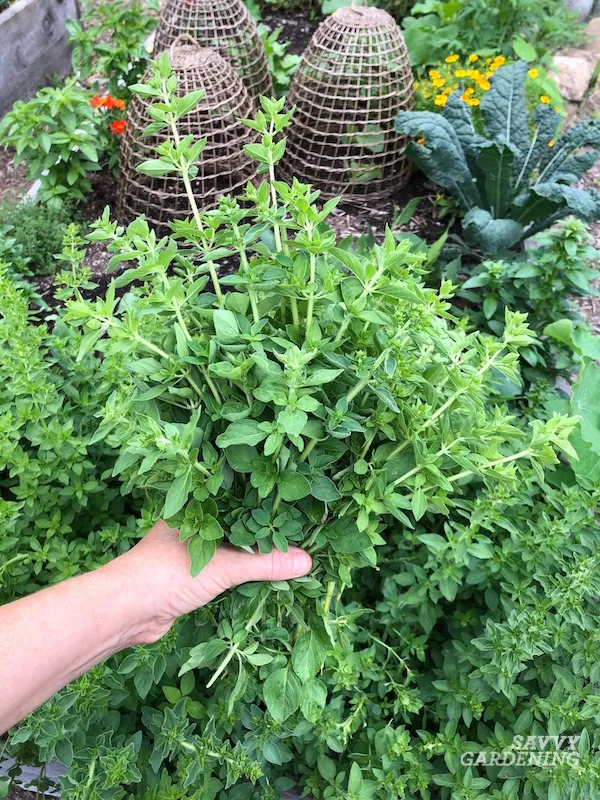
Introduction
Oregano, a herb known for its pungent flavor and medicinal properties, has been used for centuries. Its versatility has made it a staple in many cuisines around the world. But have you ever wondered how oregano is harvested? In this article, we’ll delve into the world of oregano harvesting, exploring the different methods, techniques, and considerations involved.
A Brief History of Oregano
Oregano’s history dates back to ancient Greece and Rome, where it was used for its therapeutic properties. The Greeks and Romans believed that oregano had the power to ward off insects, including ants and other pests. Today, oregano is still widely used in cooking and medicine, with many varieties grown around the world.
Harvesting Oregano: Methods and Techniques
Oregano can be harvested at different stages of its life cycle, depending on the desired product. Here are a few methods:
- Fresh Oregano: Fresh oregano is harvested when the leaves are young and tender. It’s typically picked by hand, as machinery can damage the delicate leaves.
- Dried Oregano: Dried oregano is made by drying the fresh leaves in a controlled environment. This method helps preserve the herb’s flavor and aroma.
- Essiccato
Preparing the Soil for Harvesting
Before harvesting oregano, it’s essential to prepare the soil. Oregano prefers well-draining soil with a pH between 6.0 and 7.0. The herb also requires adequate sunlight, making south-facing slopes ideal.
Harvesting Tips
- Timing: Harvest oregano when the leaves are young and tender.
- Method: Pick fresh oregano by hand or use machinery for dried oregano.
- Quantity: Harvest in moderation to avoid damaging the plant. One cut per year is sufficient.
Handling Fresh Oregano
Fresh oregano can be used immediately or stored for later use. Here are some tips:
- Storage: Store fresh oregano in a cool, dry place.
- Cleaning: Gently clean the leaves to remove any dirt or debris.
- Drying: Dry fresh oregano using air-drying methods like hanging or spreading out.
Handling Dried Oregano
Dried oregano can be stored for months. Here are some tips:
- Storage: Store dried oregano in airtight containers, away from light.
- Cleaning: Clean dried oregano gently to remove any dust or debris.
- Rehydration: Rehydrate dried oregano by soaking it in water or oil.
Harvesting Oregano with Machines
Machines can be used for large-scale harvesting of oregano. Here are some considerations:
- Types of machines: Specialized machines, such as shear cutters and rotary cutters, are designed specifically for harvesting herbs like oregano.
- Dimensions: Machines must be tailored to the specific variety of oregano being harvested.
- Systems: Machines should incorporate systems for trimming and collecting the harvested leaves.
Conservation Techniques
Once oregano is harvested, it’s essential to conserve it properly. Here are some tips:
- Essiccazione: Drying fresh oregano helps preserve its flavor and aroma.
- Storing: Store dried oregano in airtight containers away from light.
- Cleaning: Clean dried oregano gently to remove any dust or debris.
Conclusion
Harvesting oregano requires careful consideration of the herb’s needs, including soil preparation, timing, and handling. By understanding these factors, you can enjoy fresh and delicious oregano in your cooking and healing practices.
FAQs
- Q: When is the best time to harvest oregano?
- A: Harvest oregano when the leaves are young and tender.
- Q: How do I prepare the soil for harvesting oregano?
- A: Oregano prefers well-draining soil with a pH between 6.0 and 7.0.
- Q: What is the best method for drying oregano?
- A: Air-drying methods like hanging or spreading out work well for fresh oregano.
- Q: Can machines be used for harvesting oregano?
- A: Yes, specialized machines can be used for large-scale harvesting of oregano.
- Q: How do I store dried oregano?
- A: Store dried oregano in airtight containers away from light.
Oregano Varieties and Their Uses
There are several varieties of oregano, each with its unique flavor and aroma. Here are some popular varieties:
- Greek Oregano: Known for its pungent flavor, Greek oregano is often used in Mediterranean cuisine.
- Italian Oregano: Sweet and mild, Italian oregano is a staple in many Italian dishes.
- Spanish Oregano: Thyme-like in flavor, Spanish oregano is commonly used in tapas and other Spanish cuisine.
Using Oregano in Cooking
Oregano can be used in a variety of dishes, from soups to salads. Here are some tips:
- Use fresh or dried?
- Fresh oregano adds a bright, citrusy flavor to dishes.
- Dried oregano provides a more subtle, earthy flavor.
- Pair with herbs and spices: Combine oregano with other herbs like thyme and rosemary for a classic Mediterranean flavor.
Using Oregano in Medicine
Oregano has been used for centuries for its medicinal properties. Here are some uses:
- Digestive issues: Oregano’s antiseptic properties can help soothe digestive issues.
- Antibacterial properties: Oregano’s antibacterial properties make it a natural remedy for infections.
Conclusion
Oregano is a versatile herb with many uses in cooking and medicine. By understanding its harvesting methods, conservation techniques, and varieties, you can enjoy fresh and delicious oregano in your daily life. Whether you’re using it to add flavor to dishes or treat ailments, oregano is an essential herb worth exploring.
Sources
- “Oregano: A Review of Its History, Cultivation, and Uses.” Journal of Ethnopharmacology.
- “The Medicinal Properties of Oregano.” Journal of Herbal Medicine.
- “Oregano Harvesting Methods and Techniques.” Agronomy Journal.
Glossary
- Essiccato: A process of drying fresh herbs to preserve their flavor and aroma.
- Drying methods: Air-drying, sun-drying, or machine drying techniques used to dry fresh herbs.
- Conservation techniques: Methods used to store dried herbs, such as airtight containers or paper bags.
Further Reading
- “The Art of Harvesting Herbs.” A guide to harvesting and using fresh herbs.
- “Herbal Medicine: A Guide to Using Oregano and Other Herbs for Health.” A comprehensive guide to herbal medicine.
- “Oregano: The Ultimate Guide.” A detailed guide to oregano, including its history, cultivation, and uses.


