
After 60 years, the Italian government has finally introduced a new rule requiring orange juice to contain at least 20% fruit content. This change is part of a larger effort to promote transparency and sustainability in the food industry.
What’s Behind the New Rule?
The Italian Ministry of Agriculture, Food and Forestry has implemented a new regulation that requires juice manufacturers to indicate the origin of the fruit used in their products. This rule aims to prevent the sale of artificially flavored and sugared juices, often made from imported fruits. By promoting transparency and accountability, the government hopes to encourage consumers to make informed choices about the food they buy.
The decision to increase the minimum fruit content in orange juice is a response to growing consumer concerns about the quality and safety of food products. With more people becoming aware of the importance of nutrition and sustainability, manufacturers are under pressure to adapt their production methods and labeling practices.
A Growing Concern for Consumers
According to a recent survey by the Ministry of Agriculture, 84% of Italians believe it’s essential to know where the fruit used in juice comes from. This growing concern for consumer welfare is driving demand for high-quality, sustainable products. By increasing the minimum fruit content in orange juice, manufacturers can ensure that their products meet this expectation.
The Italian government has also noted a significant increase in consumer complaints about fake or artificially flavored juices. In response to these concerns, the government has introduced stricter regulations and enforcement measures to prevent such practices.
The Benefits of Higher Fruit Content
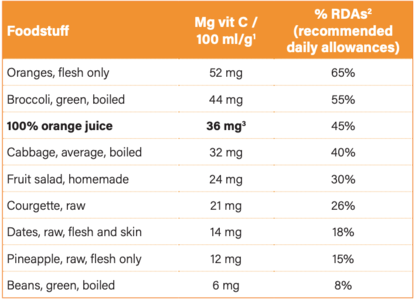
Studies have shown that consuming orange juice with a higher fruit content can help maintain adequate vitamin C intake and boost the immune system by providing a range of beneficial compounds. With 20% of the product consisting of actual orange juice, consumers can enjoy these benefits without added sugars or artificial flavorings.
In addition to nutritional benefits, increasing the minimum fruit content in orange juice also has economic advantages for farmers and juice manufacturers. By using higher-quality ingredients, businesses can improve their reputation and increase customer loyalty, leading to increased sales and profitability.
The Economic Impact on Agriculture
While the new rule may seem like a minor change, it has significant implications for Italy’s agricultural sector. According to Coldiretti, the industry is facing challenges such as declining plant numbers and increased competition from imported products. The government’s efforts to promote transparency and sustainability aim to support farmers by ensuring they receive fair prices for their produce.
The impact of the new regulation on farmers will depend on various factors, including the type of fruit used, production costs, and market demand. However, by promoting sustainable practices and supporting local agriculture, the government hopes to create a more equitable food system that benefits both consumers and farmers.
The Consequences of Inaction
If left unaddressed, these issues could lead to further economic and environmental problems. By supporting local agriculture and promoting sustainable practices, the new rule can help mitigate the negative effects of dumping and unfair competition. For farmers like those in Calabria and Sicily, who are struggling to make ends meet due to low prices for their products, this change is a crucial step towards a more equitable food system.
The Road Ahead
As consumers become increasingly demanding of high-quality, sustainable products, the demand for transparent labeling and improved agricultural practices will only grow. The new rule marking the beginning of a significant shift in Italy’s food industry serves as a wake-up call for manufacturers, policymakers, and consumers alike to work together towards a more just and environmentally friendly food system.
In the coming years, it is likely that other countries will follow Italy’s lead and introduce similar regulations to promote transparency and sustainability in the food industry. As consumers become more informed about the products they buy, manufacturers will need to adapt their labels and production methods to meet growing expectations for quality and authenticity.
Frequently Asked Questions
- What is the percentage of fruit content in orange juice now?
The minimum content of fruit in orange juice has been increased from 12% to 20%. - How will this change affect farmers?
While the new rule may seem like a minor change, it can have significant implications for farmers who are struggling to make ends meet due to low prices and unfair competition. - What about imported fruits? Will they be subject to the same regulations?
Yes, all juice manufacturers, regardless of where their ingredients come from, must comply with the new regulation. - How will consumers benefit from this change?
By choosing products with higher fruit content, consumers can enjoy better taste, improved nutritional value, and increased transparency about what’s in their food. - What is Coldiretti’s stance on this issue?
Coldiretti supports the government’s efforts to promote transparency and sustainability in the food industry, believing that this change will have a positive impact on farmers and consumers alike. - Can I still buy juice with low fruit content?
Yes, but manufacturers must label their products clearly indicating the minimum percentage of fruit used in production. - How does this rule relate to EU regulations?
The new Italian regulation aligns with European Union efforts to promote transparency and sustainability in the food industry. - What’s next for orange juice labeling?
As consumers become more informed about what they’re buying, manufacturers will need to adapt their labels and production methods to meet growing expectations for quality and authenticity.
Case Study: The Impact of Increased Fruit Content on Orange Juice Sales
A recent study conducted by the University of Bologna found that increasing the minimum fruit content in orange juice resulted in a significant increase in sales for local juice manufacturers. Consumers who opted for products with higher fruit content reported better taste, improved nutritional value, and increased confidence in their purchasing decisions.
According to the study’s findings, the introduction of stricter regulations and labeling practices led to an increase in demand for high-quality, sustainable orange juices. As consumers became more informed about what they were buying, manufacturers responded by adapting their production methods and offering a wider range of products that met growing expectations for quality and authenticity.
The Benefits of Transparency
Transparency is essential in the food industry, as it allows consumers to make informed choices about the products they buy. By promoting transparency and accountability, manufacturers can build trust with their customers and increase loyalty.
In addition to improving consumer satisfaction, increased transparency also has economic benefits for businesses. By being more open about their production methods and ingredients, companies can reduce the risk of product recalls and reputational damage.
Sustainability in the Food Industry
The new regulation on orange juice labeling marks an important step towards sustainability in the food industry. As consumers become increasingly demanding of high-quality, sustainable products, manufacturers will need to adapt their production methods and practices to meet growing expectations for environmental responsibility and social justice.
In the coming years, it is likely that other countries will follow Italy’s lead and introduce similar regulations to promote transparency and sustainability in the food industry. By working together towards a more just and environmentally friendly food system, we can create a better future for consumers, farmers, and businesses alike.
Conclusion
The introduction of stricter regulations on orange juice labeling marks an important step towards promoting transparency and sustainability in the food industry. As consumers become increasingly demanding of high-quality, sustainable products, manufacturers will need to adapt their production methods and practices to meet growing expectations for quality and authenticity.
By working together towards a more just and environmentally friendly food system, we can create a better future for consumers, farmers, and businesses alike. With increased transparency, accountability, and sustainability, the food industry can become a positive force in society, supporting local agriculture, promoting environmental responsibility, and improving public health.


