
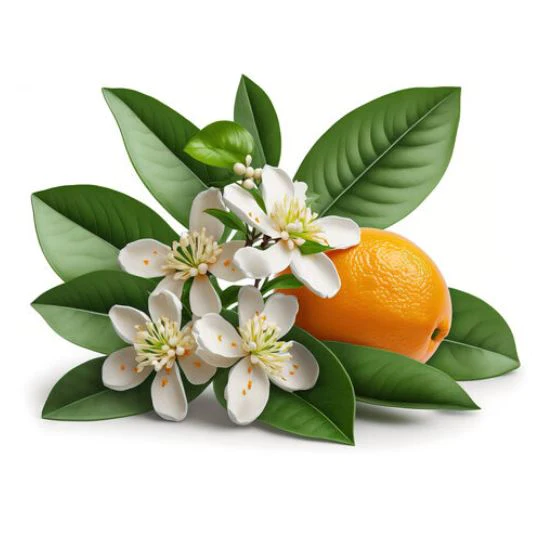
As one of the most fragrant and delicate flowers, orange blossoms have long been a symbol of purity and chastity. These beautiful blooms are formed on the end of a stem from which the leaves have lost their ability to photosynthesize. Many people may not be aware that the orange tree, which produces these stunning flowers, is actually a hybrid, likely between a pomelo and a mandarin, but over time has become a distinct species, known as Citrus sinensis.
The Orange Tree: A Majestic Evergreen
One of the most widely cultivated fruit trees in the world, the orange tree (Citrus sinensis) is an evergreen with a rounded canopy that can grow up to 8-12 meters tall. This magnificent tree produces numerous fruits, around 500 per tree, which can be harvested from November to May.
The orange tree has been cultivated for over 4,000 years, originating in China and later spreading to the Mediterranean region. Its adaptability to different climates and soil types has made it a staple crop for many countries around the world. The evergreen nature of the orange tree also makes it an attractive choice for gardeners who want to add some greenery to their outdoor spaces.
A Versatile and Low-Maintenance Ornamental
Due to its lack of specific care requirements, the orange tree is often seen in gardens and terraces as a decorative plant. There are various varieties of oranges that have been bred specifically for ornamental purposes, with smaller dimensions that make them suitable for container cultivation. The orange tree can thrive in any region of Italy, even in colder climates, making it an ideal choice for gardeners.
In addition to its beauty and fragrance, the orange tree also offers a range of benefits for the environment. Its deep roots help to prevent soil erosion, while its leaves provide shade for animals and humans alike. The tree’s fruit is also a vital source of nutrition for many birds and other wildlife.
Springtime Blooms: A Delightful Sight
In the spring, the orange tree is adorned with beautiful flowers consisting of five white petals. These delicate blooms are known for releasing a potent fragrance and are often referred to as “flowers of brides.” This tradition dates back to the Middle Ages, where these flowers were used to adorn the attire of brides.
The practice of giving orange blossoms as gifts during weddings originated in the days of the Crusades, when knights would present them to their brides as an auspicious symbol of prosperity. Today, these fragrant flowers continue to be used in the production of perfumes and various sweet treats, such as the essence of bitter orange, which is derived exclusively from the blossoms of the orange tree.
The Art of Orange Blossom Perfumery
The art of creating perfumes from orange blossoms dates back thousands of years. The ancient Greeks and Romans used the fragrant flowers to create a variety of perfumes and aromatics. Today, orange blossom essence is still highly prized for its sweet and citrusy scent.
To create perfume from orange blossoms, skilled perfumers use a combination of traditional techniques and modern equipment. They carefully select the freshest flowers and extract their fragrance using steam distillation or solvent extraction. The resulting oil is then blended with other essential oils to create unique and complex fragrances.
A Symbolic History
The term “zagara” originates from the Arabic word zahra, meaning “flower.” The essence of zagara, also known as bitter orange, is extracted solely from the flowers of the orange tree. This fragrance has been highly prized for centuries and continues to be used in various applications, including perfumery.
In addition to its use in perfumery, the orange blossom has also played a significant role in spiritual and cultural practices throughout history. In many Eastern cultures, the flower is believed to possess mystical powers and is often used in rituals and ceremonies to promote love and fertility.
Conclusion
Orange blossoms are a testament to nature’s beauty and fragility. These delicate flowers have captivated human imagination for centuries, inspiring tradition, art, and commerce. Whether you’re an avid gardener or simply someone who appreciates the finer things in life, orange blossoms are sure to delight and inspire.
Frequently Asked Questions
-
Q: What is the significance of orange blossoms?
A: Orange blossoms have long been a symbol of purity and chastity, making them a popular choice for weddings and other special occasions. -
Q: How do orange trees grow?
A: Orange trees are evergreens that can grow up to 8-12 meters tall, producing numerous fruits around the year. -
Q: What is the best way to care for an orange tree?
A: Orange trees require minimal care and can thrive in various regions of Italy, even in colder climates. -
Q: Can I grow orange blossoms in my garden?
A: Yes, you can cultivate orange trees in containers or directly in the ground, making them a versatile choice for gardeners. -
Q: What is the origin of the term “zagara”?
A: The word “zagara” originates from the Arabic language, meaning “flower,” and refers specifically to the essence extracted from bitter orange blossoms. -
Q: How are orange blossoms used in perfumery?
A: Orange blossoms are used to produce fragrances and essences that have been highly prized for centuries. -
Q: Can I use orange blossoms in cooking and baking?
A: While not commonly used as a food ingredient, orange blossoms can be used to make various sweet treats, such as candies and preserves. -
Q: Are orange blossoms edible?
A: Orange blossoms are technically edible, but they should only be consumed by experts due to potential allergic reactions or toxicity. -
Q: Can I dry orange blossoms for use in crafts and decorations?
A: Yes, dried orange blossoms can be used to create beautiful wreaths, potpourri, and other decorative items. -
Q: How can I preserve orange blossoms for long-term use?
A: Orange blossoms can be preserved by air-drying, freezing, or using a food dehydrator. This allows them to be stored for future use in crafts, cooking, and perfumery.


