
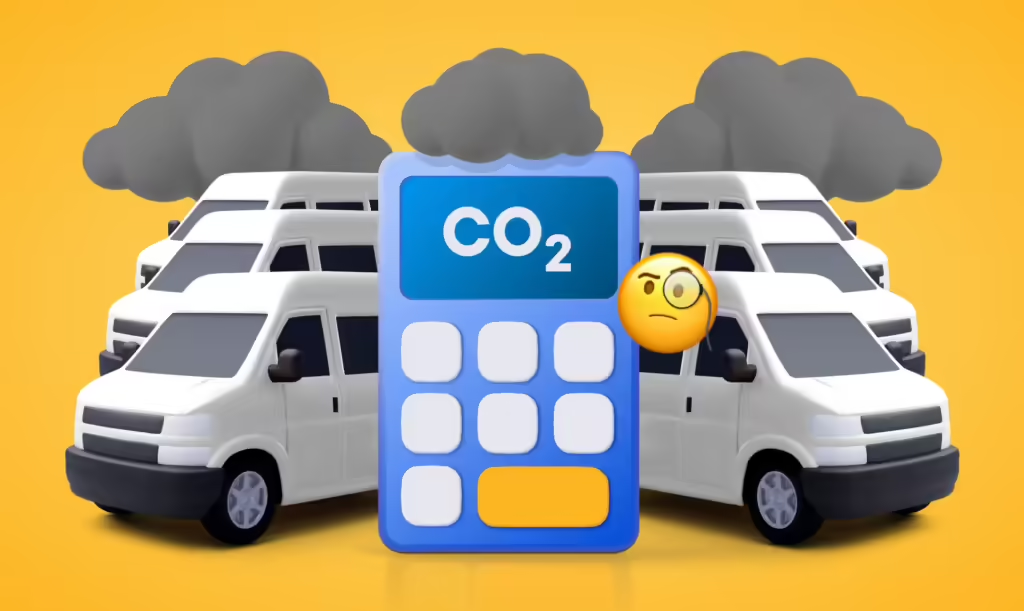
As part of the WWF’s Earth Hour, Cisco Italy organized a “business travel free week,” a week without company travels and transportation. But what if there was a method to reduce energy consumption related to company transportation for 12 months out of the year? That’s what Tellus offers with its optimization software, PathFinder. The software promises to cut costs by 18%.
Tellus is an expert in geographic information systems (GIS).
The Key to Cost Savings: Optimizing Logistics
The key element offered by Tellus is improving the quality of services offered while reducing expenses. Companies’ primary needs are:
- Having a good production line
- Ensuring timely delivery to customers
Logistics and any transportation related to the company can be optimized according to energy-saving principles, which means minimizing travel distance and time spent.
Optimizing Services for 18% Cost Savings
Tellus offers an automatic optimization engine based on road network graph construction from Navteq mapping. Why rely solely on a street map to optimize logistics? Simply calculating the shortest route is not enough; you need to analyze everything in detail, including the number of vehicles used and the road network, without neglecting the different nature of delivery zones.
PathFinder converts data into a binary graph to calculate optimal delivery parameters. Each delivery will be carefully evaluated, and setting the destination is all it takes to get the right recipe for maximum efficiency and cost savings.
Optimizing Logistics = Reduced CO2 Emissions
By optimizing logistics, companies can reduce the number of vehicles used, leading to reduced resource costs, less time invested, and improved services without forgetting about the environment: optimizing delivery management means reducing company emissions of CO2 so as not to exceed the limits set by law.
To understand how a company can improve its relationship with the environment and reduce costs, it’s very helpful to see the concept of the “virtuous cycle of optimization,” the cycle that maximizes energy-efficient business performance and will start using Tellus’ software made available.
The Benefits of Reduced Logistics Costs
Reducing logistics costs has numerous benefits for companies:
- Increased Efficiency: Optimizing logistics can improve delivery times, reduce lead times, and increase overall efficiency.
- Cost Savings: By reducing the number of vehicles used, companies can save on fuel, maintenance, and other expenses associated with transportation.
- Improved Customer Satisfaction: Faster and more reliable delivery times can lead to increased customer satisfaction and loyalty.
Reducing CO2 Emissions: A Win-Win Solution
By optimizing logistics, companies can reduce their carbon footprint and contribute to a more sustainable future. This is a win-win solution that benefits both the company and the environment.
FAQs
- Q: How does PathFinder optimize logistics?
- PathFinder uses an automatic optimization engine based on road network graph construction from Navteq mapping to calculate optimal delivery parameters.
- Q: What are the benefits of using Tellus’ software?
- The software offers 18% cost savings and helps companies reduce their carbon footprint and contribute to a more sustainable future.
- Q: How can I start optimizing my logistics today?
- Start by setting your destination and getting the right recipe for maximum efficiency and cost savings with PathFinder.
The Role of Data in Optimizing Logistics
Data plays a crucial role in optimizing logistics. With the help of data analytics, companies can make informed decisions about their transportation needs, optimize routes, and reduce waste. By leveraging data insights, companies can improve their logistics operations and achieve significant cost savings.
Real-World Examples of Logistics Optimization
Several companies have successfully implemented logistics optimization strategies to achieve significant cost savings and improved efficiency. For example:
- UPS: UPS has optimized its logistics network by implementing advanced routing algorithms and optimizing its delivery routes in real-time. This has resulted in significant cost savings and improved customer satisfaction.
- FedEx: FedEx has also implemented advanced logistics optimization strategies, including the use of data analytics to optimize its delivery routes and reduce waste.
Best Practices for Logistics Optimization
To achieve success with logistics optimization, companies should follow best practices such as:
- Implementing a data-driven approach: Leverage data insights to inform logistics decisions and optimize operations.
- Analyzing real-time data: Use real-time data analytics to track shipments, monitor delivery times, and identify areas for improvement.
- Implementing route optimization algorithms: Use advanced routing algorithms to optimize delivery routes and reduce waste.
Conclusion
Optimizing logistics can help companies achieve significant cost savings, improved efficiency, and reduced carbon footprint. By leveraging data insights and implementing best practices such as a data-driven approach, real-time analytics, and route optimization algorithms, companies can maximize their energy-efficient business performance and contribute to a more sustainable future.


