
Introduction
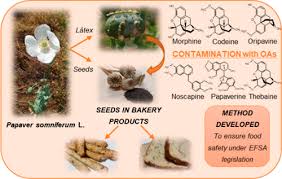
The opium poppy, also known as Papaver somniferum, is a plant with a rich history and complex properties. Native to Turkey, it has been cultivated for centuries and has played a significant role in the production of opiates, including morphine and heroin. In this article, we will delve into the world of the opium poppy, exploring its history, cultivation, and properties.
What is the Opium Poppy?
The opium poppy is a member of the Papaveraceae family and is widely distributed in temperate climates around the world. Its scientific name, Papaver somniferum, reflects its ability to induce sleep-like effects due to its psychoactive compounds. The plant’s distinctive characteristics include:
- A tall, straight stem (up to 1.5 meters) with isolated, simple leaves
- Showy, white or colored flowers (up to 10 cm in diameter)
- Capsule-like fruits containing seeds
The Cultivation of Opium Poppies
Opium poppies are typically grown for their seeds, which are used to produce opiates. However, the plant can also be cultivated for its ornamental value, as it produces beautiful flowers and foliage.
The majority of opium poppy production occurs in Afghanistan, where the climate and soil conditions favor the growth of this plant. Other countries, such as Italy, Pakistan, and Turkey, also cultivate opium poppies to varying degrees.
Is Opium Poppy Cultivation Legal?
Opium poppy cultivation is a complex issue, with different countries having varying laws and regulations regarding its production and trade. In some regions, like the United States, opium poppy cultivation is strictly prohibited for commercial purposes. However, in other areas, such as Italy, it is permitted for research, medical, or cultural purposes.
The Opium Poppy’s History
The opium poppy has a rich history, dating back thousands of years to ancient civilizations such as the Sumerians and Egyptians. The plant was highly valued for its medicinal properties and was used to produce opiates like morphine and heroin.
In ancient Greece and Rome, opium poppies were cultivated for their seeds, which were used to produce opium. During the Middle Ages, European monks cultivated opium poppies for medicinal purposes.
The Importance of Opium Poppies in Medicine
Opium poppies have played a significant role in medicine for centuries. The plant’s psychoactive compounds have been used to treat pain, insomnia, and other conditions.
In modern times, opium-derived medicines like morphine and codeine are widely used to manage pain and other symptoms.
The Psychoactive Compounds of Opium Poppies
Opium poppies contain a range of psychoactive compounds, including:
- Morphine: a potent opioid analgesic
- Codeine: an opioid analgesic with mild sedative properties
- Heroin: a highly addictive opioid derived from morphine
Cultivation Techniques and Methods
Opium poppy cultivation involves several techniques and methods to ensure optimal growth and seed production. These include:
- Soil preparation: opium poppies prefer well-draining soil with a pH range of 6.0-7.0
- Watering: regular watering is necessary, but overwatering can lead to fungal infections
- Pruning: pruning the plant regularly helps control its height and promotes seed production
Pest and Disease Management
Opium poppies are susceptible to several pests and diseases, including:
- Aphids: small insects that feed on sap and cause damage to leaves
- Whiteflies: tiny insects that feed on sap and can transmit diseases
- Powdery mildew: a fungal disease that causes white powdery growth on leaves
Conclusion
The opium poppy is a complex and fascinating plant with a rich history and diverse properties. From its cultivation for medicinal purposes to its ornamental value, the opium poppy has played a significant role in human society. While its production and trade are regulated by law, the plant’s importance in medicine and culture cannot be overstated.
FAQs
- What is the scientific name of the opium poppy?
- Papaver somniferum
- Where is the majority of opium poppy cultivation occurring?
- Afghanistan
- Is opium poppy cultivation legal in all countries?
- No, different countries have varying laws and regulations regarding its production and trade.
- What are some common uses of opium poppies?
- Medicinal purposes (e.g., pain management), ornamental value, research
- How did ancient civilizations use opium poppies?
- Produced opiates like morphine and heroin for medicinal purposes.
- Is the opium poppy a native plant to Europe?
- No, it is native to Turkey.
- What are some common psychoactive compounds found in opium poppies?
- Morphine, codeine, heroin
- Can opium poppies be used for research purposes?
- Yes, with proper regulation and oversight.
Sources:
- “Il fiore degli inferi: Papavero da oppio e mondo antico” (Book)
- “Coltivare papaveri” (Website)


