
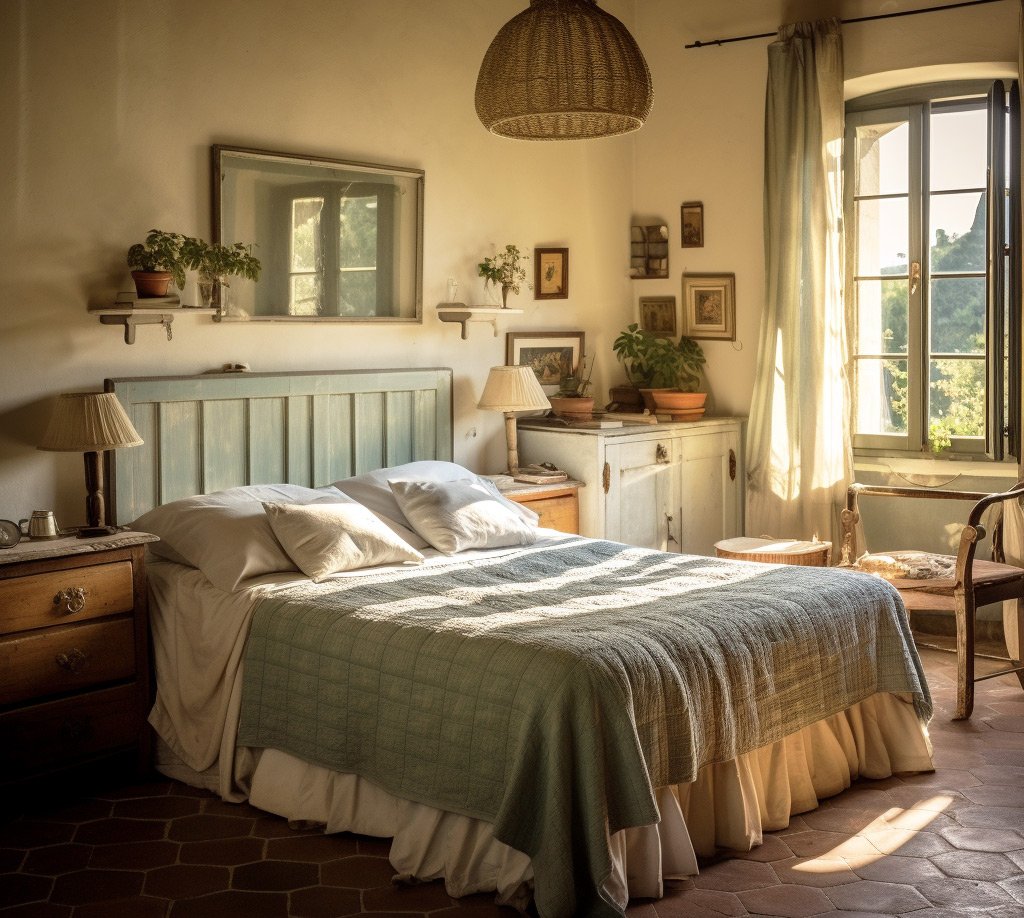
As the hospitality industry continues to grow, opening a bed and breakfast (B&B) can be an attractive venture for those looking to turn their spare rooms into a lucrative business. However, before you start your journey, it’s essential to understand the requirements and regulations that come with running a B&B in Italy.
Introduction
In this article, we’ll delve into the world of bed and breakfasts, exploring the necessary steps to take and the laws that govern this unique type of accommodation. From obtaining the required permits to ensuring compliance with safety standards, we’ll cover it all.
Understanding the Regulations
Before you start your B&B journey, it’s crucial to understand the regulations that apply to your region. In Italy, there are over 18,000 active B&Bs, and the laws governing these establishments vary from province to province. To ensure compliance, you must verify that your property meets the required standards.
Gathering Required Documents
To initiate the process of opening a B&B, you’ll need to gather several documents, including:
- A copy of your ID
- The property’s planimetria (floor plan) with details on each room’s use
- A certification of the property’s suitability for habitation
- A letter stating that there are no impediments to running a B&B in your household
Obtaining the Necessary Permits
Once you have all the required documents, submit them to the local authorities. The municipality will review your application and conduct an on-site inspection within 30 days.
Safety and Hygiene Standards
When it comes to safety and hygiene standards, your B&B must meet specific requirements:
- The property must be free from hazards
- Fire extinguishers must be installed throughout the premises
- Elevators must be designed for safe operation
- Electrical outlets must be located at least 1.5 meters above floor level
Tax and Insurance Requirements
As a B&B owner, you’ll need to register with the authorities and obtain tax identification number:
- As a non-registered self-employed individual, you don’t need to file for IVA (Value Added Tax)
- However, if your annual turnover exceeds €20,000, you may be required to pay taxes
- Liability insurance is also mandatory
Regulations and Compliance
The Italian government has implemented various regulations to ensure the well-being of B&B guests:
- Cleaning and maintenance: Regular cleaning and maintenance are essential to maintain a healthy environment.
- Food and beverages: Preparing food for your guests requires proper training, equipment, and safety standards.
- Guest services: Providing excellent guest services includes offering assistance with luggage, providing local information, and ensuring timely check-in and check-out.
Additional Regulations
Some regions have specific regulations that must be followed:
- In Campania, the region where Naples is located, you’ll need to meet more stringent requirements:
- A minimum of 9 sqm per room
- 12 sqm for double rooms
- 18 sqm for triple rooms
Choosing the Right Location
The location of your B&B plays a significant role in determining its success. Consider factors such as:
- Proximity to public transportation
- Accessibility to local attractions and amenities
- Parking options
- Noise levels
- Safety standards
Marketing and Promotion
Once you’ve established your B&B, it’s time to market and promote it to potential guests. Consider the following strategies:
- Utilize social media platforms to create a presence for your B&B
- Develop an engaging website that showcases your property and amenities
- Reach out to local tourism boards for support and recommendations
- Offer special discounts or promotions to attract new guests
Conclusion
Opening a bed and breakfast in Italy can be an exciting venture, but it’s essential to understand the regulations and laws that govern this type of accommodation. By following these guidelines, you’ll be well on your way to creating a safe, clean, and welcoming environment for your guests.
Frequently Asked Questions (FAQs)
- What is the minimum number of rooms I can have in my B&B?
- The minimum number of rooms allowed in an Italian B&B is three.
- Do I need to register with the authorities as a self-employed individual?
- Yes, if your annual turnover exceeds €20,000, you’ll be required to register and pay taxes.
- Can I open a B&B without having my own business license?
- No, all self-employed individuals must have a valid business license or registration with the authorities.
- How often must I perform cleaning tasks?
- Regular cleaning is required at least twice a week to maintain a clean environment for your guests.
- Can I serve cooked meals to my guests?
- No, only pre-prepared meals or snacks are allowed in an Italian B&B.
- How do I ensure that my B&B meets safety standards?
- Regular inspections and maintenance of the property can help identify potential hazards and prevent accidents.
- Can I rent out multiple rooms to different guests simultaneously?
- Yes, but you’ll need to obtain separate permits for each room and guest.
- How do I handle complaints from my guests?
- Respond promptly to any concerns or issues raised by your guests, and work towards resolving them in a fair and professional manner.
By answering these FAQs and following the guidelines outlined in this article, you’ll be well-equipped to create a successful bed and breakfast that meets all necessary regulations.


