
Introduction
In the world of cooking, onions and garlic are two of the most versatile and flavorful ingredients. Not only do they add depth to our meals, but they also have a wealth of health benefits that can’t be ignored. In this article, we’ll delve into the wonderful world of cipolla, exploring its culinary uses, nutritional profile, and therapeutic properties.
What is Cipolla?
Cipolla is an Italian term for onion, which has been cultivated for centuries. Its bulbs are a rich source of minerals, vitamins, and other nutrients that make it a valuable addition to our diets. Whether you’re cooking up a storm in the kitchen or seeking natural remedies, cipolla is definitely worth getting to know.
Culinary Uses of Cipolla
Onions are incredibly versatile and can be used in a variety of dishes. They’re an excellent base for soups, stews, and casseroles, adding flavor and texture to any meal. But that’s not all – they’re also perfect for making delicious salads, stir-fries, and sauces. And let’s not forget about the classic combination of onions and garlic in Italian cooking!
Nutritional Profile
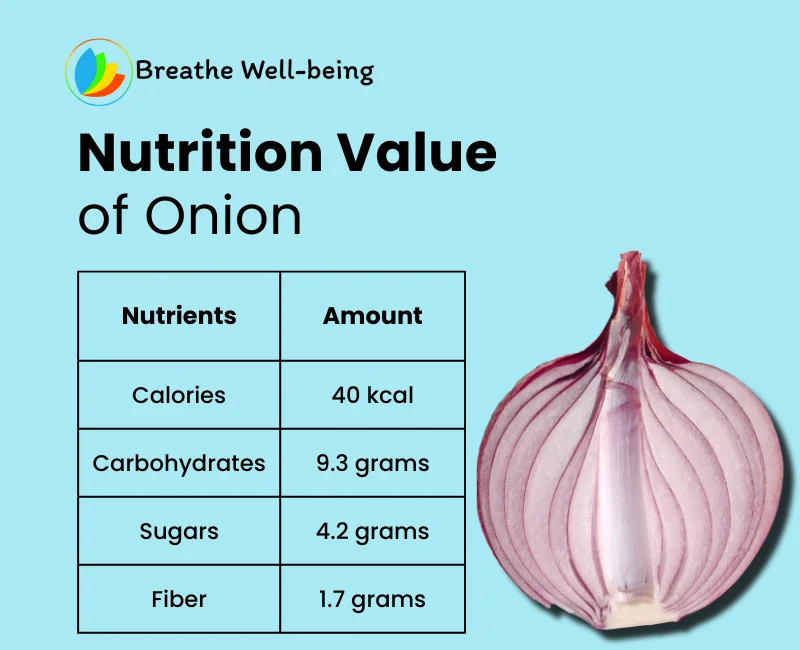
Onions are a nutrient-dense food, providing:
- 26 calories per 100 grams
- Fiber, vitamin C, and potassium
They’re also an excellent source of antioxidants, including quercetin and kaempferol.
Therapeutic Properties of Cipolla
Onions have been used for centuries to treat a range of ailments. Here are some of the key benefits:
- Digestive Aid: Onions can help stimulate digestion and alleviate symptoms of indigestion and bloating.
- Antimicrobial Properties: The sulfur compounds in onions have antibacterial, antiviral, and antifungal properties, making them a natural remedy for infections.
- Cardiovascular Health: Onions contain fiber, potassium, and antioxidants that can help lower cholesterol levels and reduce the risk of heart disease.
Benefits of Raw Cipolla
When consumed raw, onions are at their most potent. The sulfur compounds are released and absorbed by the body more easily, making them a great addition to salads, sandwiches, and other dishes.
How to Conserve Cipolla
To keep your onions fresh for longer, store them at room temperature in a dry, dark place. Avoid refrigerating onions, as this can cause them to sprout or become soggy.
Health Benefits of Garlic
Garlic has also been used for centuries to treat a range of ailments, including:
- Cardiovascular Health: Garlic contains compounds that help lower cholesterol levels and reduce the risk of heart disease.
- Antimicrobial Properties: The antibacterial, antiviral, and antifungal properties of garlic make it a natural remedy for infections.
- Cancer Prevention: Some studies suggest that garlic may have anti-cancer properties.
Benefits of Raw Garlic
When consumed raw, garlic is at its most potent. The active compounds are released and absorbed by the body more easily, making them a great addition to salads, sandwiches, and other dishes.
Conclusion
Onions and garlic are incredibly versatile ingredients that offer numerous health benefits when consumed in moderation. Whether you’re cooking up a storm or seeking natural remedies, cipolla is definitely worth getting to know.
Frequently Asked Questions
- Q: How do I choose the best onions for my recipes?
A: Look for firm, compact bulbs with no signs of sprouting or damage. - Q: Can I use raw onions in soups and stews?
A: While it’s technically possible, raw onions can be overpowering and may not cook down well. - Q: How do I store onions to keep them fresh for longer?
A: Store onions at room temperature in a dry, dark place. - Q: Can I use onion powder or granules instead of fresh onions?
A: While these can be convenient, they often lack the flavor and nutritional benefits of fresh onions. - Q: Are there any health risks associated with consuming onions?
A: In moderation, onions are generally safe to eat. However, people with allergies or sensitivities should exercise caution.
Tips for Using Onions and Garlic in Your Cooking
- Use onions and garlic as a base for soups, stews, and casseroles.
- Add raw onions to salads, sandwiches, and other dishes.
- Mix minced garlic into sauces, marinades, and dressings.
- Use onion powder or granules in place of fresh onions when cooking.
- Experiment with different types of onions, such as red or yellow onions.
By incorporating cipolla and garlic into your cooking routine and exploring their therapeutic properties, you can unlock a world of flavor and nutrition in the kitchen.


