
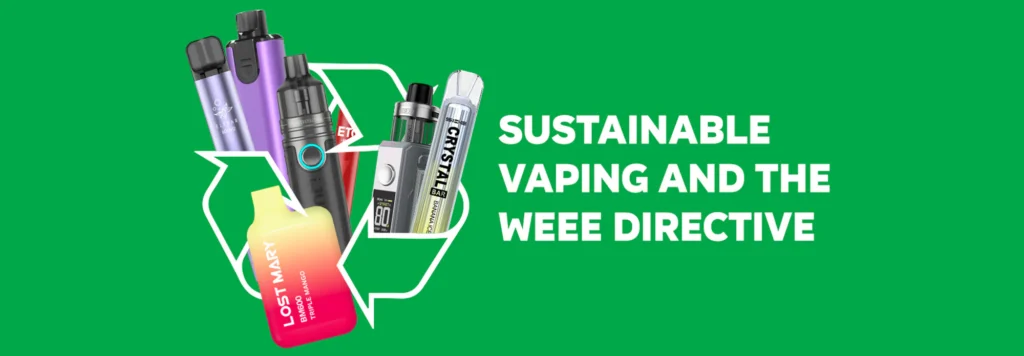
Implementing the “One Against Zero” Principle: How Retailers Are Embracing E-Waste Recycling
As of April 12, a new regulation has come into effect in Italy, simplifying the process for consumers and businesses alike when it comes to disposing of electronic waste (e-waste). The key takeaway? The introduction of the “One Against Zero” principle, which requires retailers with stores exceeding 400 square meters to provide an e-waste recycling area for customers.
What’s Changing?
In essence, the new regulation transforms the way consumers dispose of small electronic devices like smartphones, radios, and toasters. No longer is it a courtesy offered by retailers when purchasing a new item; instead, it’s now a legal requirement. This shift not only benefits the environment but also encourages customers to explore alternatives to dumping their e-waste in unsuitable locations.
The Benefits for Consumers
By having an easily accessible e-waste recycling area, consumers can:
- Reduce their environmental footprint by avoiding the disposal of hazardous materials in landfills or through unauthorized dumping
- Avoid the hassle and expense associated with traveling long distances to find a suitable recycling center
- Contribute to reducing the amount of waste sent to landfills and promoting sustainable consumption practices
The Impact on Businesses
Retailers are now responsible for ensuring that their stores meet this new standard. This means:
- Installing e-waste recycling areas or partnering with companies offering take-back services
- Educating customers about the importance of proper e-waste disposal and the benefits of recycling
- Collaborating with manufacturers to ensure they understand their role in promoting responsible e-waste management
Smart Recycling Solutions: The Future of E-Waste Management
One innovative approach being adopted by retailers is the use of automated, intelligent recycling systems. These “cassonetti intelligenti” offer customers a convenient and hassle-free way to recycle their e-waste.
While these systems may not be entirely intelligent (yet!), they can still significantly reduce labor costs associated with manual sorting and processing.
A New Era for E-Waste Recycling
As the “One Against Zero” principle becomes more widespread, we can expect to see a significant increase in e-waste recycling rates. This, in turn, will contribute to a cleaner environment, reduced greenhouse gas emissions, and a more sustainable future for our planet.
Frequently Asked Questions (FAQs)
- What is the “One Against Zero” principle, and how does it affect retailers?
Retailers with stores exceeding 400 square meters are required to provide an e-waste recycling area for customers. - How can consumers benefit from this new regulation?
Consumers can reduce their environmental footprint, avoid long-distance travel, and contribute to sustainable consumption practices. - What role do manufacturers play in promoting responsible e-waste management?
Manufacturers must work with retailers to ensure that products are designed with recyclability in mind and that they understand the importance of proper e-waste disposal. - How can automated recycling systems benefit consumers?
Automated systems offer a convenient, hassle-free way for customers to recycle their e-waste, reducing labor costs associated with manual sorting and processing. - What is the goal of increasing e-waste recycling rates through this regulation?
The goal is to reduce greenhouse gas emissions, promote sustainability, and create a cleaner environment. - How can consumers identify nearby e-waste recycling centers or partner with retailers offering take-back services?
Consumers can search online for “e-waste recycling near me” or contact their local retailer to inquire about available options. - What steps can manufacturers take to improve e-waste management practices?
Manufacturers should design products with recyclability in mind, participate in extended producer responsibility programs, and educate consumers about proper e-waste disposal methods. - How will this regulation impact the environment in the long term?
Increased e-waste recycling rates can lead to a significant reduction in greenhouse gas emissions, waste sent to landfills, and pollution.
By embracing the “One Against Zero” principle, retailers, manufacturers, and consumers alike are taking crucial steps towards creating a more sustainable future for our planet.


