
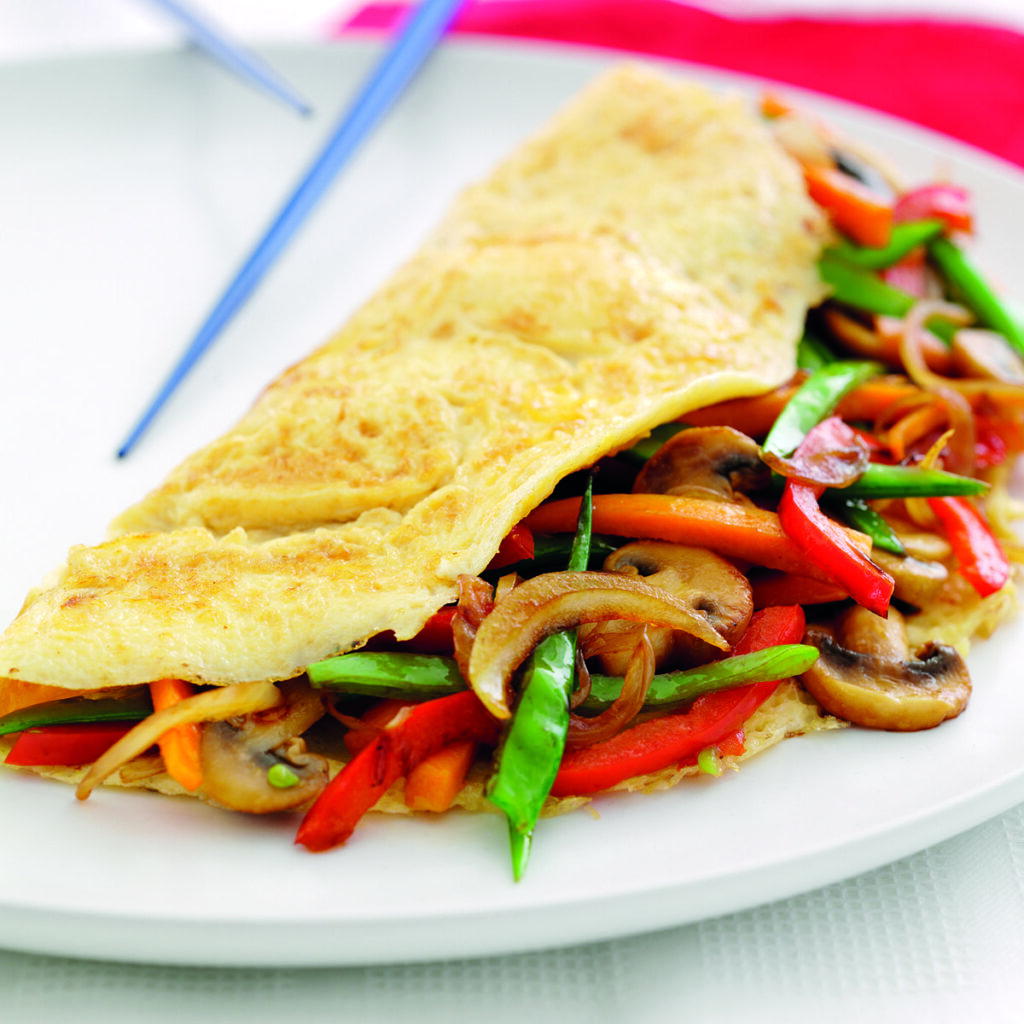
As the summer season brings an abundance of fresh vegetables, it’s essential to incorporate them into our diet to maintain a healthy and balanced lifestyle. One of the key principles of a nutritious diet is variety, and consuming seasonal vegetables is crucial for respecting this principle.
Why Eat Seasonal Vegetables?
Eating vegetables from our own garden or local farmers’ market provides us with an array of essential nutrients, including fiber, minerals, water, and vitamins. These nutrients play a vital role in maintaining optimal health, particularly when consumed as part of a balanced diet.
Seasonal vegetables are also more likely to be free of pesticides and other chemicals found in non-seasonal produce. By choosing seasonal vegetables, we can enjoy the freshest flavors and textures while minimizing our exposure to harmful substances.
Preparing a Frittata with Vegetables: A Simple yet Delicious Option
A frittata with vegetables is the perfect solution for those with limited cooking time, as it can be prepared in advance and served either hot or cold. In this article, we’ll explore the benefits of making a frittata with vegetables and provide you with a step-by-step guide on how to prepare one using fresh, seasonal ingredients.
Benefits of Making a Frittata with Vegetables
Making a frittata with vegetables offers several benefits, including:
- Convenience: Frittatas can be prepared in advance, making them an excellent option for busy mornings or meal prep.
- Nutritional value: Vegetables provide essential nutrients like fiber, minerals, and vitamins, which are vital for maintaining optimal health.
- Flavor variety: Using different vegetables and seasonings allows you to experiment with various flavors and textures, making each frittata unique.
- Cost-effective: Frittatas can be made using affordable ingredients like eggs, cheese, and vegetables, reducing food waste and saving money.
Ingredients Needed
- 5 large eggs
- 1 medium-sized onion (porro)
- 2 medium-sized zucchinis
- 1 red bell pepper
- 2 medium-sized carrots
- 1 medium-sized potato
- 4 cups of mushrooms (funghi champignon)
- 150 grams of provolone cheese
- 150 grams of ricotta cheese
- 5 tablespoons of besciamella sauce
- 100 grams of grated Parmesan cheese
- Salt, oil, and pepper
Preparing the Vegetables
Begin by peeling and chopping the carrots, potato, and onion (porro) into coarse pieces. In a large skillet with a non-stick surface, heat a few drops of oil over medium heat and add the chopped vegetables. Cook for 10 minutes, stirring occasionally.
While the vegetables are cooking, wash and slice the zucchinis into thin rounds. Remove the seeds and white parts from the red bell pepper and cut it into four equal pieces. Finely chop the mushrooms (funghi champignon).
After the vegetables have cooked for 10 minutes, add the sliced zucchinis and chopped mushrooms to the skillet. Cook for an additional 5 minutes, stirring occasionally.
Assembling the Frittata
In a separate bowl, whisk together 5 large eggs, salt, and pepper. Set aside.
Once the vegetables are cooked, transfer them to a spacious terrine or shallow dish. Pour the egg mixture over the vegetables and add the chopped provolone cheese, ricotta cheese, besciamella sauce, and grated Parmesan cheese. Mix everything together until well combined.
Cooking the Frittata
Heat a non-stick skillet with a small amount of oil over low heat. Pour the vegetable and egg mixture into the skillet and cover it with a lid. Let the frittata cook for 7-8 minutes on the first side, then carefully flip it over using a spatula.
Cook for an additional 3/4 minute on the second side, until the eggs are fully set. Remove the skillet from the heat and let the frittata rest for a few minutes before slicing it into wedges.
Serving Suggestions
Serve the frittata with vegetables hot or cold, garnished with fresh herbs if desired. This dish is perfect for breakfast, lunch, or dinner, making it an excellent option for meal prep and leftovers.
Frequently Asked Questions
- What are the benefits of eating seasonal vegetables?
Eating seasonal vegetables ensures that you consume a variety of nutrients and minimizes exposure to pesticides and other chemicals found in non-seasonal produce. - How do I choose the freshest ingredients for my frittata?
Choose fresh, vibrant vegetables with no signs of wilting or spoilage. Make sure to wash them thoroughly before using. - Can I use frozen vegetables instead of fresh ones?
While frozen vegetables can be a convenient substitute, they may lack the flavor and texture of fresh vegetables. However, some frozen options are specifically designed for frittatas and can produce similar results. - What’s the difference between besciamella sauce and regular white sauce?
Besciamella sauce is a rich, creamy sauce made from butter, flour, milk, and Parmesan cheese. It adds an intense flavor to the frittata that’s hard to replicate with regular white sauce. -
Can I make this recipe vegan or gluten-free?
Yes, you can modify the ingredients to suit your dietary needs by replacing eggs with tofu, using gluten-free breadcrumbs instead of besciamella sauce, and selecting gluten-free cheese options. -
How do I store leftover frittata for future meals?
Store leftover frittatas in an airtight container at room temperature for up to 3 days or refrigerate them for up to 5 days. Reheat them gently before serving. -
What are some popular vegetables to add to my frittata?
Experiment with different combinations of fresh vegetables, such as bell peppers, mushrooms, and spinach, to create unique flavor profiles. -
How do I prevent the frittata from becoming too dense or soggy?
To ensure a light and fluffy texture, make sure to not overmix the egg mixture and avoid overcooking the frittata.


