
As a stone, olivina is often shrouded in mystery, especially for those who are not familiar with crystal therapy or jewelry. However, this fascinating mineral has more to offer than just its beauty. In the realm of geology, olivina is particularly intriguing due to its unique properties and uses.
What is Olivina?
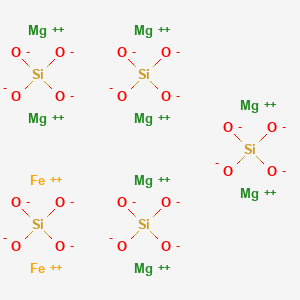
Olivina, also known as peridot, is a silicate mineral belonging to the nesosilicates group, which includes garnets. Its chemical formula is (Mg,Fe)2SiO4, making it an essential component of igneous rocks, particularly ultramafic and mafic magmatic intrusions.
Where is Olivina Found?
This mineral can be found in various types of rocks, including intrusive and effusive magmatic formations. The dunitic rocks have as much as 90% olivine content, while peridotites and basalts contain smaller amounts. Its widespread distribution makes it an essential component of many geological processes.
Uses of Olivina
Olivina’s versatility extends beyond its aesthetic appeal. It is employed in various industries due to its unique properties:
- Refractory materials: Due to its high melting point, olivine is used as a constituent material in refractory products and abrasives for electronic equipment.
- Ceramics: Its stability at elevated temperatures makes it an excellent addition to ceramic production.
- Leather and adhesives: Olivine is also used in the manufacture of leather and adhesives for high-temperature applications.
- Sabbia di olivina: This type of sand is utilized in foundries, where it is mixed with silicates and catalysts to create a refractory material.
Properties and Uses in Crystal Therapy
In crystal therapy, olivina is believed to possess various properties that can benefit the wearer. Some of these benefits include:
- Protective energy: Olivine is thought to offer protection from negative energies and promote emotional stability.
- Prosperity and happiness: Its green color is associated with prosperity and happiness, making it a popular choice for jewelry.
- Youthful appearance: As iron-rich, olivine is said to help maintain youthful skin and prevent premature aging.
Structure of Olivina
As a silicate mineral, olivine’s structure consists of tetrahedral units linked by magnesium or iron atoms. The crystallographic structure exhibits isomorphism, with variations ranging from magnesioferrous (forsterite) to ferrifero (fayalite). In some cases, calcium and manganese can replace the ferrous and magnesian atoms.
History of Olivina Use
Olivine has been used by various cultures throughout history:
- Ancient Egypt: Peridot was highly valued for its beauty and was often used in jewelry.
- Greek and Roman Civilizations: The stone was associated with the gods Apollo and Aphrodite, respectively.
- Modern Times: Olivina is still used today in various industries and as a material for jewelry.
Care and Maintenance of Olivina
To ensure that your olivina remains vibrant and free of damage:
- Store it away from direct sunlight to prevent fading.
- Keep it clean by gently washing with soap and water.
- Avoid exposing it to extreme temperatures or chemicals.
- Use a soft cloth to polish the surface.
Conclusion
In conclusion, olivina is a multifaceted mineral with diverse applications in various fields. Its unique properties make it an attractive choice for crystal therapy, jewelry, and industrial uses. As we continue to explore and understand the secrets of this mysterious stone, we may uncover even more hidden treasures.
Frequently Asked Questions (FAQs)
- What is olivina used for in industry?
- Olivine is employed in refractory materials, ceramics, leather, and adhesives for high-temperature applications.
- How is olivina formed?
- Olivine forms through the crystallization of magma from the Earth’s mantle.
- What are the benefits of wearing olivina jewelry?
- Olivine is believed to offer protective energy, promote emotional stability, and bring prosperity and happiness.
- Is olivina a natural mineral or can it be synthesized?
- Olivine occurs naturally in various geological formations, but some synthetic varieties may also be produced through metamorphic processes.
- Can olivina be used for healing purposes beyond crystal therapy?
- While its effects on human health are not scientifically proven, olivine has been traditionally associated with various therapeutic properties.


