
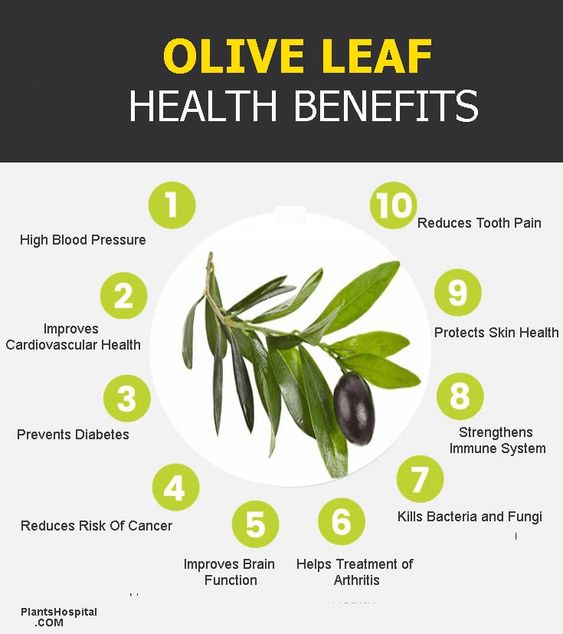
As we navigate the complexities of modern life, it’s easy to overlook the simple yet powerful remedies that nature has to offer. One such treasure is the humble olive leaf, a staple in Mediterranean cuisine for centuries. While often overlooked, the leaves of the olive tree possess an array of impressive health benefits, making them a valuable addition to any wellness routine.
The Science Behind Olive Leaves: Unpacking their Therapeutic Properties
Olive leaves, and their extract, are a rich source of natural goodness, boasting potent therapeutic properties that can have a significant impact on our overall well-being. These benefits include:
- Gastroprotective: shielding the digestive system from harm
- Neuroprotective: safeguarding the central nervous system
- Antimicrobial: inhibiting the growth of microorganisms
- Anticancer: reducing the risk of cancerous cells
- Anti-inflammatory: mitigating inflammation
- Antioxidant: preventing oxidative damage to cells
Unlocking the Potential of Olive Leaf Extract
So, how much olive leaf extract should you be taking? The recommended daily dose is 500-1000 milligrams. This can be divided into smaller doses to start with, gradually increasing as your body adapts.
From Herpes to Happiness: The Multifaceted Benefits of Olive Leaves
But olive leaves offer more than just a natural remedy for common ailments. They’ve been shown to:
- Tackle Herpes: By applying a few drops of olive leaf extract to the affected area, you can reduce the spread of the virus.
- Combat Alzheimer’s and Parkinson’s: The oleuropein in olive leaves has been proven to have neuroprotective effects, potentially slowing down the progression of these devastating diseases.
- Support Heart Health: Olive leaves may help alleviate atherosclerosis, or the hardening of arteries, reducing the risk of cardiovascular disease.
The Power of Olive Leaves for Heart Health
Studies suggest that olive leaf extract can positively impact blood pressure, making it easier to manage this risk factor for heart disease. High levels of “bad” cholesterol and total cholesterol also contribute to cardiovascular health concerns.
- Reducing Inflammation: This anti-inflammatory property can also alleviate the stress caused by high glucose levels.
- Supporting Cardiovascular Health: Olive leaves may help improve circulation, reduce blood pressure, and prevent the formation of blood clots.
Navigating the Complexities of Diabetes: The Potential Benefits of Olive Leaves
Olive leaves may help individuals with type 2 diabetes by:
- Regulating Insulin Levels: By improving insulin sensitivity, olive leaves can reduce symptoms like high blood sugar and excessive fat storage.
- Reducing Inflammation: This anti-inflammatory property can also alleviate the stress caused by high glucose levels.
Weight Management: The Surprising Role of Olive Leaves
Olive leaves have been shown to aid in weight loss, particularly when combined with a healthy diet. By regulating gene expression and reducing food cravings, olive leaves may help individuals achieve their weight management goals.
- Boosting Metabolism: Olive leaf extract may help increase metabolism, leading to enhanced fat burning.
- Suppressing Appetite: The antioxidant properties of olive leaves can also reduce hunger pangs, making it easier to stick to a healthy diet.
Cancer Prevention: Unraveling the Mystery of Olive Leaves
While more research is needed to fully understand the relationship between olive leaves and cancer prevention, early studies suggest that they may have antitumor properties, making them a promising addition to any anti-cancer regimen.
- Reducing Cancer Risk: The oleuropein in olive leaves has been shown to inhibit the growth of cancer cells.
- Combating Tumors: Olive leaf extract may also help reduce tumor size and prevent the spread of cancer.
Consult with your healthcare professional before adding olive leaf extract to your diet. As with any new supplement, it’s essential to discuss potential benefits and risks before incorporating it into your daily routine.
Frequently Asked Questions
- What is the recommended dosage of olive leaf extract?
The recommended daily dose is 500-1000 milligrams. - How can I use olive leaf extract for herpes treatment?
Apply a few drops to the affected area, 1-2 times a day. - Can olive leaves help with Alzheimer’s and Parkinson’s diseases?
The oleuropein in olive leaves has been shown to have neuroprotective effects, potentially slowing down disease progression. - How can I incorporate olive leaves into my heart health routine?
Consume olive leaf extract as part of a balanced diet and healthy lifestyle. - Can olive leaves help with diabetes management?
By regulating insulin levels and reducing inflammation, olive leaves may aid in managing type 2 diabetes symptoms. - How can I use olive leaves for weight loss?
Combine with a healthy diet and regular exercise for optimal results. - What are the potential side effects of taking olive leaf extract?
Generally considered safe when taken as directed, but consult your healthcare professional before starting supplementation. - Can I use olive leaves as a natural remedy for cancer prevention?
While promising early studies exist, more research is needed to fully understand their role in cancer prevention.
Conclusion
Olive leaves are a treasure trove of health benefits, from gut protection and neuroprotection to anticancer properties and anti-inflammatory effects. By understanding the science behind olive leaf extract and incorporating it into our daily routine, we can unlock nature’s secret to better health and wellbeing. As always, consult with your healthcare professional before adding any new supplement to your diet, but be sure to give olive leaves a try – you never know what wonders they might hold!


