
Introduction
The olive fly, also known as Bactrocera oleae, is a significant pest in the olive industry, causing damage to olives and reducing oil production. The fly’s impact on the olive industry can be felt worldwide, with estimates suggesting that it causes around 10-20% of olive losses globally. In this comprehensive article, we will delve into the biology of the olive fly, explore effective remedies and defenses against this pesky insect, and discuss the best approaches for farmers to minimize losses.
What is the Olive Fly?
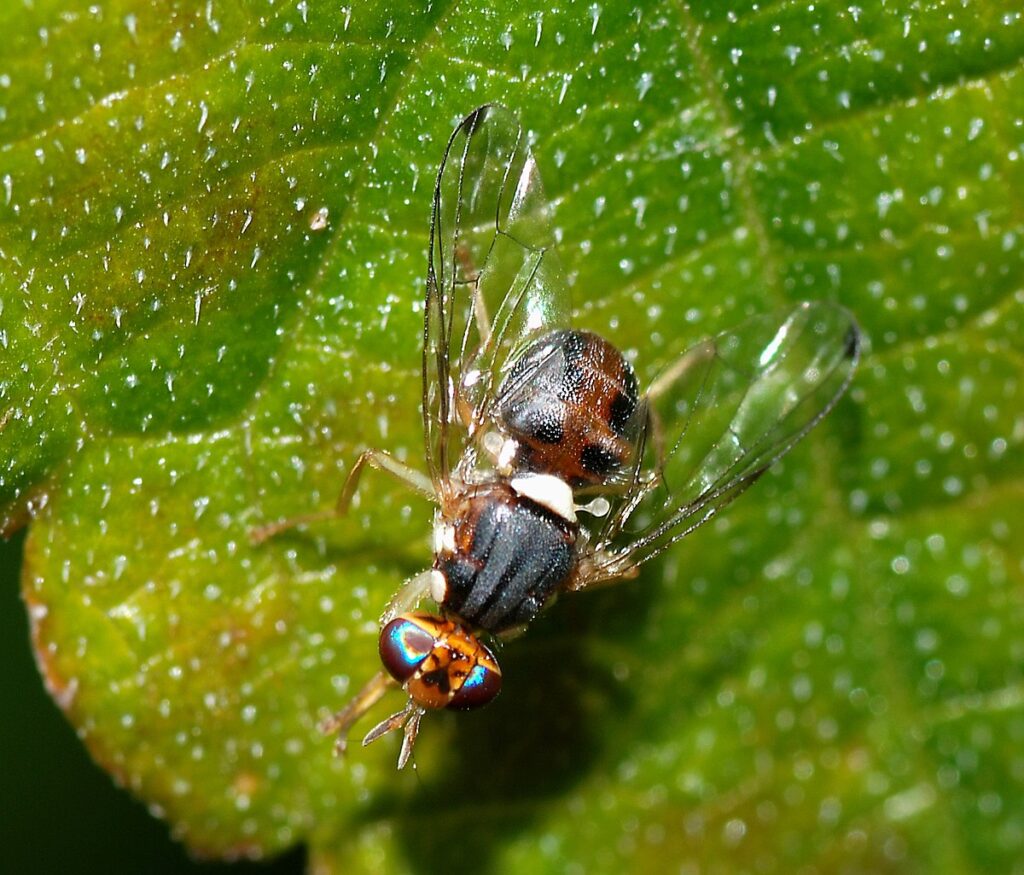
The olive fly is a species of fruit fly that specifically targets olives. The female fly lays her eggs on the surface of the olive, which then hatch into larvae that feed on the olive flesh. This can lead to significant damage to the fruit and reduce oil quality. The adult flies are typically yellow with black stripes and have a distinctive odor.
When Does the Olive Fly Actively Reproduce?
The olive fly is most active from September to November, with temperatures between 23-27°C (73-81°F) being ideal for reproduction. During this period, the female fly will lay her eggs on the surface of the olive, which will then hatch into larvae.
How Does the Olive Fly Damage Olives?
The olive fly’s damage to olives is primarily caused by the larvae that feed on the fruit. The larvae can create tunnels and cavities within the olive, leading to a reduction in oil quality and yield. The larvae also produce enzymes that break down the olive’s cellular structure, further exacerbating the damage.
Losing the Battle: The Impact of the Olive Fly on Olive Production
The olive fly is a significant threat to olive production, with estimates suggesting that it causes around 10-20% of olive losses worldwide. The damage caused by the fly can result in reduced oil quality, lower yields, and increased costs for farmers. This not only affects the economic viability of olive farming but also impacts the livelihoods of those who depend on the industry.
The Art of Monitoring: When to Start Looking
Monitoring for the olive fly is crucial in preventing infestations. Farmers should begin monitoring their olives at least a month before the active reproduction period (September-November). Regular checks will help identify any potential issues early on, allowing for timely intervention.
Using Traps to Monitor and Control the Olive Fly
Traps are an effective way to monitor for the olive fly and control populations. There are two types of traps: chromotrophic traps and ferromonic traps. Chromotrophic traps use a yellow color to attract both male and female flies, while ferromonic traps use specific pheromones to lure in males.
Adulticidal Traps: A Quick Fix?
Adulticidal traps involve applying an insecticide to the olive tree to kill adult flies. This method can be effective if used in conjunction with regular monitoring. However, it’s essential to note that this method may not address the root cause of the infestation and may require repeated applications.
Larvicidal Traps: A More Comprehensive Approach
Larvicidal traps involve using a substance to kill larvae within the olive fruit. This method can be more effective than adulticidal traps, as it targets both males and females, as well as larvae. However, it’s essential to note that this method may require repeated applications and careful monitoring.
A Combination is Key: The Best Approach
The most effective approach to controlling the olive fly involves a combination of methods, including monitoring, trapping, and insecticides. This comprehensive strategy can help reduce infestations and minimize losses.
Biological Controls: A Natural Alternative
For farmers who prefer natural methods, biological controls such as Trichogramma wascabilis (a parasitic wasp) or Beauveria bassiana (a fungus) can be used to control the olive fly. These natural methods are often more cost-effective and environmentally friendly.
DIY Traps: A Cost-Effective Solution
Creating your own traps using materials like plastic bottles, gauze, and yeast can be a fun and effective way to monitor for the olive fly. This DIY approach can also help reduce costs associated with purchasing commercial traps.
Insecticides: An Important Tool in Olive Fly Control
Insecticides are an essential tool in controlling the olive fly. However, it’s crucial to choose the right type of insecticide and follow proper application guidelines to avoid harming non-target organisms.
Integrated Pest Management (IPM): A Comprehensive Approach
Integrated pest management is a holistic approach that involves using a combination of techniques, including monitoring, trapping, biological controls, and chemical pesticides, to manage olive fly infestations. IPM can help reduce the reliance on chemical pesticides and minimize their impact on non-target organisms.
Chemical Pesticides: An Important Tool in Olive Fly Control
Chemical pesticides are an essential tool in controlling the olive fly. However, it’s crucial to choose the right type of pesticide and follow proper application guidelines to avoid harming non-target organisms.
Neem Oil-Based Pesticides: A Natural Alternative
Neem oil-based pesticides can be used as a natural alternative to chemical pesticides. These products are derived from the seeds of the neem tree and have been shown to be effective against the olive fly.
Essential Oils: A Natural Repellent
Some essential oils, like citronella and lemongrass, may help repel the olive fly. However, it’s crucial to conduct thorough research before using any natural methods.
Conducting Research on Olive Fly Control Methods
Conducting research on effective control methods is essential for ensuring that farmers use the best approaches to manage olive fly infestations. This can involve collaborating with universities, government agencies, or private organizations to gather information and develop new strategies.
The Future of Olive Fly Control: Emerging Technologies
Emerging technologies, such as genetic modification and precision agriculture, may hold promise for controlling the olive fly in the future. These innovative approaches could help reduce the impact of the fly on olive production and improve the livelihoods of those who depend on the industry.
Conclusion
The olive fly is a significant pest in the olive industry, causing damage to olives and reducing oil production. By understanding the biology of the fly and implementing effective control measures, farmers can minimize losses and ensure a healthy crop. The best approach involves a combination of methods, including monitoring, trapping, biological controls, and chemical pesticides.
Frequently Asked Questions (FAQs)
Q: When should I start monitoring for the olive fly?
A: You should begin monitoring your olives at least a month before the active reproduction period (September-November).
Q: What is the most effective way to control the olive fly?
A: The best approach involves a combination of methods, including monitoring, trapping, biological controls, and chemical pesticides.
Q: Can I use diatomaceous earth as a natural pesticide for the olive fly?
A: Yes, diatomaceous earth can be used as a natural pesticide to control the olive fly. However, it’s essential to follow proper application guidelines.
Q: How often should I apply insecticides to control the olive fly?
A: The frequency of applications will depend on factors such as the severity of the infestation and local regulations.
Q: Can I use essential oils to repel the olive fly?
A: Some essential oils, like citronella and lemongrass, may help repel the olive fly. However, it’s crucial to conduct thorough research before using any natural methods.
Q: How can I create my own DIY traps for the olive fly?
A: You can use materials like plastic bottles, gauze, and yeast to create your own DIY traps. Simply fill the bottle with a solution of yeast and water, cover the top with gauze, and hang it in the affected area.
Q: Are there any new products available on the market for controlling the olive fly?
A: Yes, several new products have been developed specifically for controlling the olive fly. These include insecticidal soap and neem oil-based pesticides.
Q: Can I use natural methods to control the olive fly in small-scale farming operations?
A: Yes, natural methods like biological controls and DIY traps can be effective for small-scale farming operations.
Additional Resources
- National Institute of Food and Agriculture (NIFA) – Olive Fly Management
- United States Department of Agriculture (USDA) – Olive Fly Management
- International Olive Council (IOC) – Olive Fly Management
By understanding the biology of the olive fly and implementing effective control measures, farmers can minimize losses and ensure a healthy crop. The best approach involves a combination of methods, including monitoring, trapping, biological controls, and chemical pesticides.


