
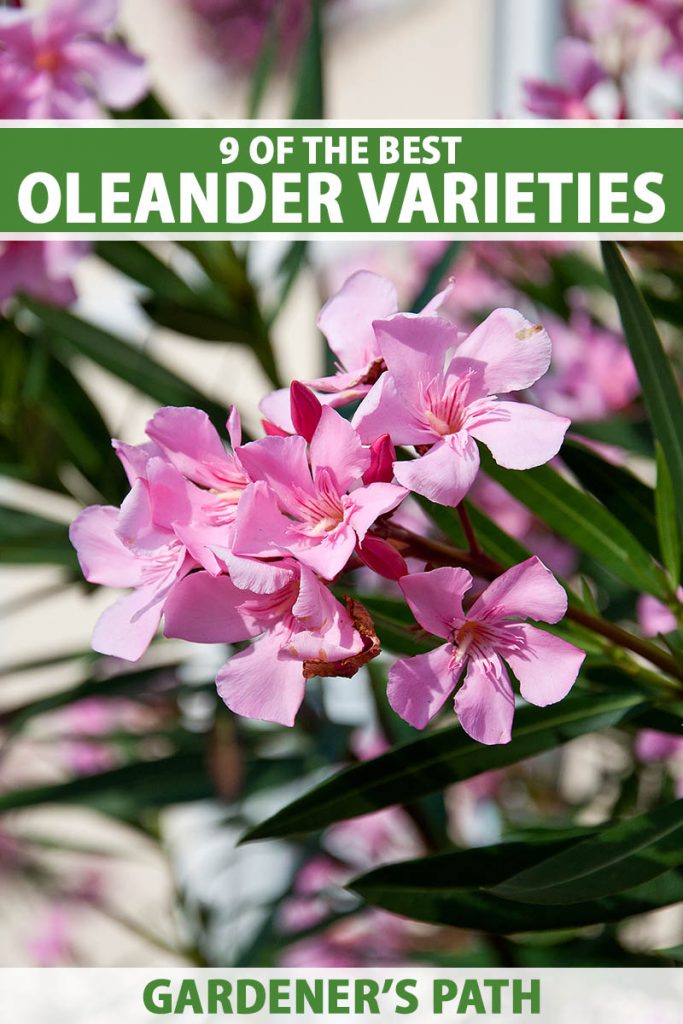
As a popular ornamental plant, oleander (Nerium oleander) has been a staple in gardens and landscapes for centuries. Its adaptability, beauty, and toxicity have made it a sought-after choice among gardeners and landscape designers alike. In this article, we will delve into the world of oleander, exploring its history, characteristics, varieties, safety precautions, and growing tips.
Understanding the Basics of Oleander
Oleander is a flowering shrub native to the Mediterranean region, commonly known as leandro or maza di San Giuseppe. Its versatility extends beyond its aesthetic appeal, as it’s also highly resistant and can tolerate harsh conditions, making it an excellent choice for areas with limited space.
Characteristics of Oleander
Oleander is a fast-growing plant that can reach up to 5 meters in height. The leaves and flowers depend on the variety, but most oleanders have similar requirements when it comes to watering and cultivation.
- Leaves: Oleander leaves are typically glossy, dark green, and elliptical in shape, measuring around 10-15 cm in length.
- Flowers: Oleander flowers come in a wide range of colors, including white, pink, yellow, and red. They are tubular in shape and measure approximately 5-7 cm in diameter.
- Stem: The stem of oleander is typically grayish-green, smooth, and can grow up to 1 meter in length.
The Colors of Oleander
Oleander’s flowers come in a wide range of colors, each offering a unique charm. Here are some popular color variations:
- White: Pure white, creamy, or pale yellow
- Pink: Light pink, salmon, and rose hues
- Yellow: Bright yellow, golden, and cream-toned
- Red: Deep red, crimson, and scarlet
When choosing a variety of oleander, consider the color you want to achieve in your garden or landscape.
Varieties of Oleander
Several varieties of oleander exist, each with its distinct characteristics. Here are some popular ones:
- Oleandro Giallo (Yellow Oleander): This variety features bright yellow flowers with a diameter of approximately 5 cm.
- Oleandro Rosa (Pink Oleander): A classic and widely available variety, the rose-colored oleander boasts flowers measuring up to 7 cm in diameter, featuring delicate pink or salmon undertones.
- Oleandro Rosso (Red Oleander): This variety offers deep red flowers with a simple, yet striking appearance.
Safety Precautions
When it comes to oleander, safety is paramount. All parts of the plant contain toxic compounds that can be harmful if ingested. Handle oleander plants with care and avoid direct contact with your skin or eyes.
- Toxicity: Oleander contains a group of compounds called oleandrin and neriine, which are highly toxic.
- Symptoms of toxicity: Ingestion of oleander can cause nausea, vomiting, diarrhea, abdominal pain, and in severe cases, heart problems and even death.
Additional Tips for Growing Oleander
To ensure optimal growth and health, consider the following tips:
- Choose a variety suitable for your climate and region: Different regions have varying temperatures, humidity levels, and sunlight exposure, which can affect oleander’s growth.
- Provide sufficient sunlight and water according to the specific needs of your oleander: Oleander requires at least six hours of direct sunlight per day and should be watered regularly.
- Fertilize regularly to promote healthy foliage and blooming: Use a balanced fertilizer that is rich in nitrogen, phosphorus, and potassium.
Growing Oleander Indoors
If you’re looking to grow oleander indoors, make sure it receives sufficient sunlight. You can place your oleander on a sunny windowsill or balcony, but avoid direct exposure to extreme temperatures or drafts.
- Container size: Choose a container that is at least 30 cm deep and has good drainage holes.
- Soil mix: Use a well-draining potting mix specifically designed for flowering plants.
- Fertilization: Fertilize your indoor oleander with a balanced fertilizer once a month.
Pest Control Measures
Regularly inspect your plant for pests like aphids, whiteflies, and spider mites. These can be controlled using organic or chemical methods:
- Organic pest control: Spray neem oil, insecticidal soap, or horticultural oil on affected areas.
- Chemical pest control: Use systemic pesticides or miticides as a last resort.
Conclusion
Oleander is a versatile and beautiful plant that can thrive in various conditions. By choosing the right variety, following proper care instructions, and taking safety precautions, you can enjoy its vibrant blooms for years to come.


