
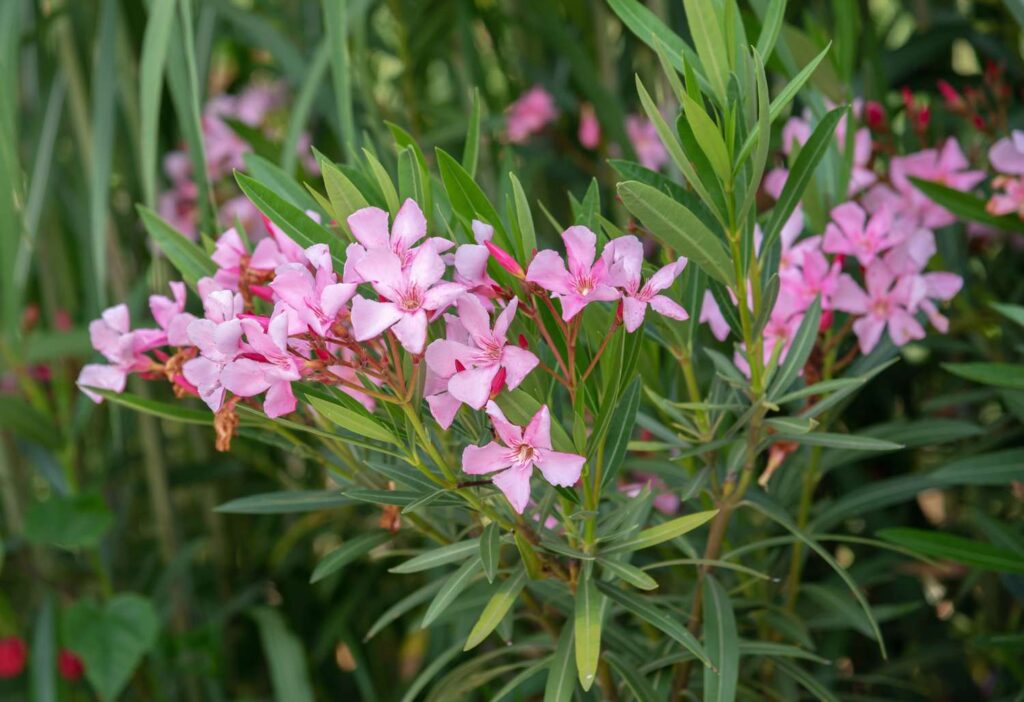
As the warm sun shines down, many of us are drawn to the vibrant colors and intoxicating scent of oleander. This beautiful flower is a popular choice for gardens and containers, but its care requires some attention to detail. In this article, we’ll delve into the world of oleander cultivation, exploring its unique characteristics, growing requirements, and maintenance needs.
Understanding Oleander: A Hardy Coastal Plant
Oleander is a stunningly decorative plant that thrives in coastal areas due to its remarkable resilience to high temperatures. Its ability to flourish even with temperatures as low as 20°C makes it an excellent choice for gardeners living in regions with hot summers. The ideal temperature range for oleander growth is between 20°C and 40°C, making it a great option for containers and indoor spaces.
A Scented Spectacle: Oleander’s Blooms
Oleander flowers are the star of the show, emitting an intense fragrance that attracts pollinators and delighting the senses. The blooms come in various colors, including white, pink, yellow, lavender, and even red. Simple or double flowers, oleander’s beauty is undeniable. However, be cautious: the plant’s intoxicating scent can be overwhelming, so it’s essential to handle it with care.
A Word of Caution: Oleander’s Toxicity
One critical aspect of oleander cultivation is its toxicity. All parts of the plant contain toxic compounds that can cause skin irritation, making gloves a must when handling the plant. This emphasizes the importance of proper care and handling techniques.
Cultivating Oleander: A Guide to Success
To cultivate healthy and thriving oleander plants, follow these basic guidelines:
Climate Considerations
- Temperatures between 20°C and 40°C
- Adequate sunlight (at least 6 hours per day)
- Protection from extreme temperatures
Container Cultivation
Oleander can be grown in containers, making it an excellent choice for small spaces. To ensure its success:
Soil Requirements
- Well-draining soil with a pH between 6 and 7
- Avoid overwatering (let the soil dry slightly between waterings)
Pruning and Potting
To maintain oleander’s health and encourage blooming, prune and pot as follows:
Pruning Schedule
- Late autumn: trim laterals by 25 cm, remove dead flowers, and shorten stems
- Regular maintenance throughout the year
Fertilization and Repotting
Regular fertilization and repotting are crucial for oleander’s continued growth and blooming:
Fertilization Schedule
- Every two weeks during the growing season (spring-fall)
- Use organic, liquid fertilizers
Repotting Frequency
- Every 2 years in containers
- Gradually increase pot size to a maximum of 30 cm
Pest and Disease Management
To ensure your oleander remains healthy, monitor for pests and diseases:
Common Pests
- Aphids: inspect leaves and stems regularly
- Spider mites: look for fine webbing on the underside of leaves
- Mealybugs: check for cottony white growths
Common Diseases
- Root rot: symptoms include yellowing or browning roots, soggy soil, and a sour smell
- Leaf spot: look for small, circular spots on the surface of the leaf
- Powdery mildew: white, powdery patches on leaves and stems
Conclusion: The Joy of Cultivating Oleander
With its stunning blooms and intoxicating scent, oleander is an irresistible addition to any garden or indoor space. By following these guidelines and understanding the plant’s unique needs, you can enjoy the beauty and fragrance of oleander for years to come.
Frequently Asked Questions (FAQs)
-
Is oleander toxic?
Yes, all parts of the plant contain toxic compounds that can cause skin irritation.
2. Can I grow oleander indoors?Yes, but ensure it receives sufficient sunlight and maintain a consistent temperature between 20°C and 40°C.
3. How often should I water my oleander?Water your oleander when the top inch of soil feels dry to the touch. Avoid overwatering, which can lead to root rot.
4. Can I propagate oleander from cuttings?Yes, but be cautious when handling the plant due to its toxicity.
5. How often should I fertilize my oleander?Fertilize your oleander every two weeks during the growing season using organic, liquid fertilizers.
6. Can I grow oleander in a pot that’s too small?Yes, but gradually increase the pot size as the plant grows to ensure proper root development.
7. What is the ideal temperature for oleander growth?Temperatures between 20°C and 40°C are ideal for oleander growth.
8. Can I grow oleander in areas with extreme temperatures?No, oleander is sensitive to extreme temperatures; protect it from frost and freezing temperatures.
By following these guidelines and being mindful of oleander’s unique needs, you can enjoy the beauty and fragrance of this stunning flower for years to come.


