
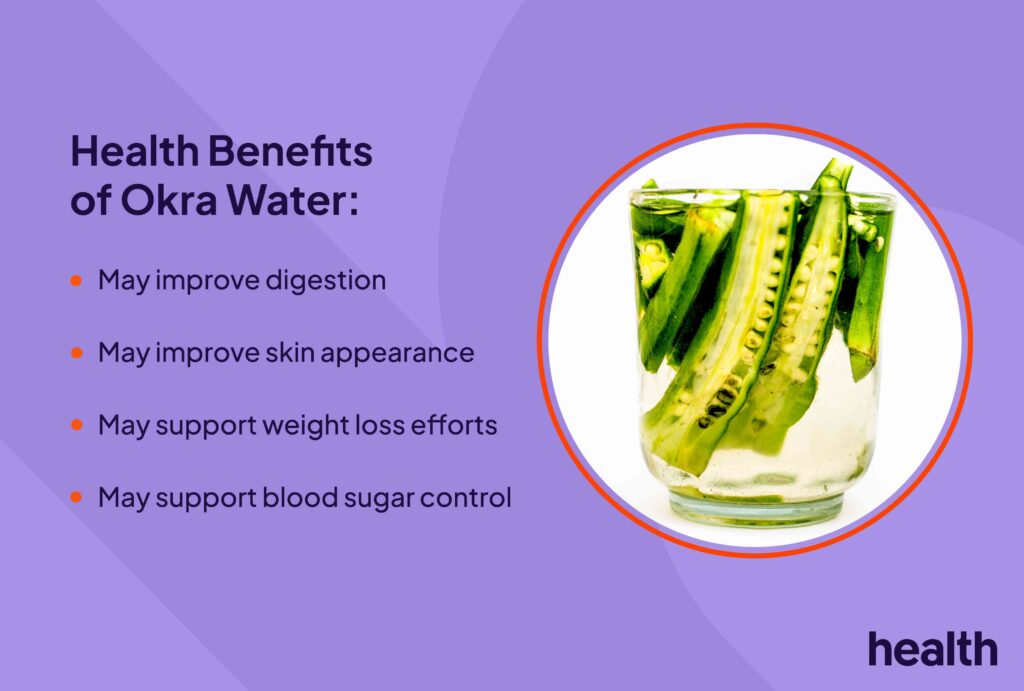
Gombo, also known as Abelmoschus esculentus or okra, is a perennial plant that belongs to the Malvaceae family. Native to Africa, it has been cultivated in Italy and other parts of Europe for its culinary benefits. In this article, we will explore the properties and uses of Gombo, including its nutritional value, culinary applications, and cultural significance.
What is Gombo?
Gombo is a versatile vegetable that has been used for centuries in traditional medicine and cooking. Its green pods are edible and can be used in various dishes, while its leaves can be eaten raw or cooked as an herb. The seeds of the plant contain a high amount of fiber and antioxidants, making them a valuable source of nutrition.
Health Benefits of Gombo
Gombo has several health benefits due to its rich nutritional content. Some of the key benefits include:
- Lowering cholesterol levels: The soluble fiber in Gombo helps to bind to bile acids and lower cholesterol levels.
- Reducing sugar intake: Gumbo is low on the glycemic index, making it an excellent choice for people with diabetes or those who are trying to manage their blood sugar levels.
- Supporting digestive health: The high fiber content in Gombo can help to regulate bowel movements and prevent constipation.
- Providing essential vitamins and minerals: Gumbo is a good source of vitamins A, B1, B2, B3, B6, folate, calcium, and magnesium.
Culinary Applications of Gombo
Gombo is a versatile ingredient that can be used in various dishes, including soups, stews, salads, and stir-fries. Its mild flavor makes it an excellent addition to many recipes.
Some popular ways to use Gombo include:
- Adding the seeds or pods to soups and stews for added nutrition and texture
- Using the leaves as a substitute for spinach in recipes
- Incorporating the seeds into meatballs or other savory dishes
- Making okra soup, a traditional dish from West Africa
Growing Gombo
Gombo is relatively easy to grow, provided it receives adequate sunlight, water, and nutrients. Here are some tips for growing Gombo:
- Choose a sunny location with well-drained soil
- Sow the seeds in the spring after the last frost
- Water regularly and fertilize monthly
- Provide support for the plant as it grows to prevent it from toppling over
Nutritional Value of Gombo
Gombo is an excellent source of essential vitamins and minerals, including:
- Vitamin A: important for vision and immune function
- Vitamin B1: crucial for energy metabolism
- Vitamin B2: necessary for heart health
- Vitamin B3: plays a role in energy production
- Vitamin B6: involved in many bodily processes
- Folate: essential for cell growth and development
- Calcium: necessary for bone health
- Magnesium: important for muscle function and nerve health
Where to Buy Gombo
Gombo can be found in various markets, including:
- Health food stores
- Specialty grocery stores
- Online retailers
- Farmers’ markets
You can also grow your own Gombo at home by purchasing seeds from reputable suppliers.
Cultural Significance of Gumbo
Gombo has been used for centuries in traditional medicine and cooking. In West Africa, it is a staple ingredient in many dishes, including okra soup. In the United States, it is often used in gumbo, a spicy stew originating from Louisiana.
Precautions and Side Effects
While Gombo is generally considered safe to eat, there are some precautions and side effects to be aware of:
- Allergic reactions: Some people may be allergic to Gombo, which can cause symptoms such as hives, itching, and swelling.
- Digestive issues: The high fiber content in Gombo can cause digestive issues such as bloating, gas, and abdominal pain.
- Interactions with medications: Gumbo may interact with certain medications, including blood thinners and diabetes medications.
Conclusion
Gombo is a versatile and nutritious vegetable that offers numerous health benefits and culinary applications. Whether you choose to buy it in the market or grow it yourself, Gombo is an excellent addition to any diet.
Here are some frequently asked questions about Gombo:
-
What is Gombo?
Gombo is a perennial plant belonging to the Malvaceae family, also known as okra.
2. Where does Gumbo come from?Gumbo originates from Africa and has been cultivated in Italy and other parts of Europe for its culinary benefits.
3. How do I grow Gombo?To grow Gombo, choose a sunny location with well-drained soil and sow the seeds in the spring after the last frost.
4. What are the health benefits of Gumbo?Gumbo has several health benefits due to its rich nutritional content, including lowering cholesterol levels, reducing sugar intake, supporting digestive health, and providing essential vitamins and minerals.
5. How do I use Gombo in cooking?Gombo can be used in various dishes, including soups, stews, salads, and stir-fries. Its mild flavor makes it an excellent addition to many recipes.
6. Where can I buy Gumbo?Gumbo can be found in various markets, including health food stores, specialty grocery stores, and online retailers.
7. How much does Gombo cost?The cost of Gombo varies depending on the market and location.
8. Can I grow my own Gombo at home?Yes, you can grow your own Gumbo at home by purchasing seeds from reputable suppliers.
We hope this article has provided you with a comprehensive understanding of Gombo and its numerous benefits.


