
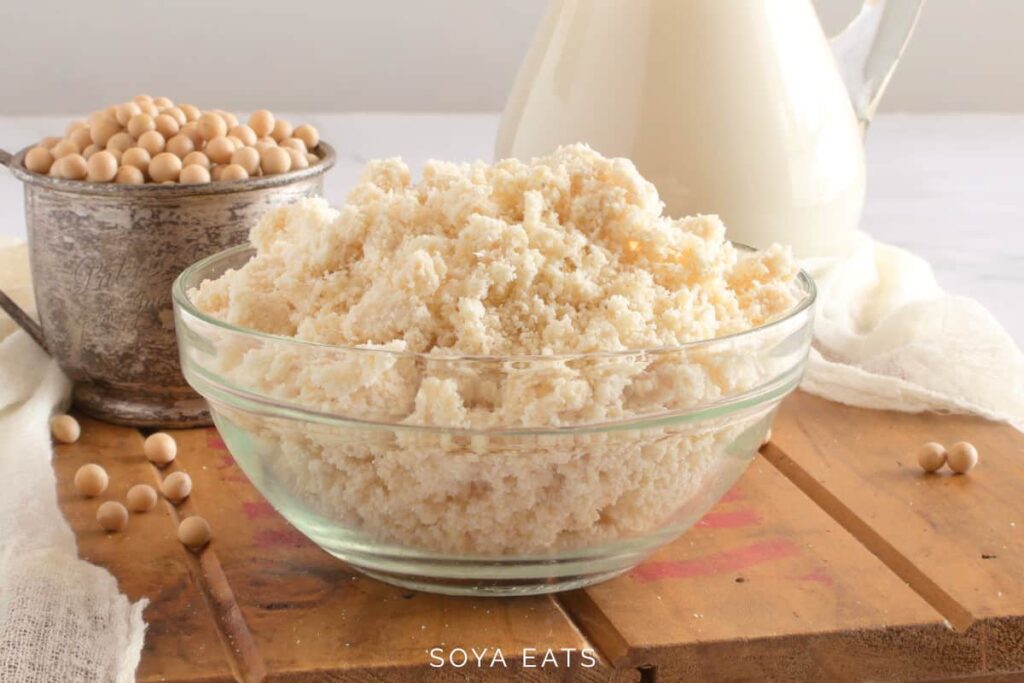
As a homebrewer of soy milk and tofu, you’ve probably found yourself with a stash of okara – the solid residue left over from processing soybeans. You might be wondering what to do with it, thinking that it’s just another food waste problem. But fear not! Okara is actually an incredibly nutritious and versatile ingredient that can add depth, texture, and protein to your dishes.
What is Okara?
Okara, also known as soybean pulp, is the solid remains of the soybeans’ liquid extract process. It’s often discarded, but this byproduct is packed with nutrients and has a mild flavor, making it an excellent addition to various recipes.
The Flavor and Texture of Okara
Okara’s taste is delicate, similar to that of soy milk, tofu, and other soy-based foods. Some people find it bland or insipid, while others appreciate its subtle nuances. The texture can range from moist to creamy, depending on the amount of liquid extracted during processing.
Nutritional Benefits of Okara
As a byproduct of soybean processing, okara is rich in various essential nutrients:
• Manganese
• Phosphorus
• Protein
• Iron
• Omega-3 fatty acids
• Fiber
• Vitamin B2 (Riboflavin)
• Magnesium
• Vitamin K
• Potassium
Compared to other plant-based foods, okara is relatively high in protein, making it an excellent choice for vegetarian diets. One cup of okara contains about 90 calories and approximately 4 grams of protein.
Shelf Life and Storage
Okara has a short shelf life due to its high moisture content. To maintain freshness, refrigerate it within 2-3 days or freeze it for up to 6 months. You can also dry okara by spreading it on a baking sheet and drying it at 150°F (65°C) for 15-20 minutes, stirring every 5 minutes.
Alternatively, you can grind the dried okara into a fine flour using a food processor, which will keep it fresh for up to 6 months.
Incorporating Okara into Your Recipes
Due to its neutral flavor, okara is easy to incorporate into various dishes:
• Add it to fried potatoes for an extra protein boost and delicious texture.
• Use it as a substitute for gluten-containing flours in baked goods like bread, muffins, or biscuits. Simply replace 1 cup of flour with 1 cup of okara.
• Mix it into vegetarian burgers or meatballs for added nutrition.
• Add it to granola for an extra nutritional kick.
Tips and Tricks for Cooking with Okara
Here are some additional tips and tricks to help you get the most out of your okara:
- Use okara in soups and stews: The long cooking time breaks down the okara’s fiber, making it easier to digest.
- Add it to smoothies: Okara can be blended into a delicious and healthy smoothie, adding protein, fiber, and nutrients.
- Mix it into yogurt or oatmeal: Okara adds creaminess and texture to these popular breakfast foods.
- Use it as a thickening agent: Okara has natural starches that can help thicken sauces and soups.
Common Uses of Okara
Okara is used in various traditional cuisines, including:
- Japanese cuisine
- Chinese cuisine
- Korean cuisine
Some popular dishes made with okara include:
- Okara tempura: A Japanese dish where okara is battered and deep-fried for a crispy exterior.
- Soybean paste: Okara is used to make soybean paste, which is then used in Chinese cooking.
- Tofu soup: Okara can be added to tofu soup for an extra nutritional boost.
Health Benefits of Okara
Okara has numerous health benefits due to its high nutrient content. Some of the key health benefits include:
- Improved digestion: The fiber content in okara helps promote regular bowel movements and prevent constipation.
- Boosted immune system: The vitamins and minerals in okara help support immune function and reduce inflammation.
- Reduced risk of chronic diseases: Okara’s high nutrient content helps lower cholesterol levels, blood pressure, and the risk of chronic diseases.
Preparation Methods
There are several preparation methods you can use to cook with okara:
- Steaming: Steaming is a great way to preserve the nutrients in okara. Simply steam it for 10-15 minutes until tender.
- Roasting: Roasting adds a nutty flavor to okara. Simply toss it with oil and roast at 400°F (200°C) for 15-20 minutes.
- Boiling: Boiling is another method of cooking okara. Simply boil it in water or soy milk until tender.
Substitutes for Okara
If you can’t find fresh okara, there are several substitutes you can use:
- Flaxseed meal: Flaxseed meal has a similar texture to okara and provides similar nutritional benefits.
- Chia seeds: Chia seeds are high in fiber and protein, making them a great substitute for okara.
- Almond flour: Almond flour is a low-carb alternative that can be used as a substitute for gluten-containing flours.
Conclusion
In this article, we’ve explored the world of okara – a soybean byproduct that’s gaining popularity worldwide. With its mild flavor and versatility, okara can be easily incorporated into various recipes to add texture, protein, and nutrients. Whether you’re a seasoned cook or a beginner in the kitchen, okara is definitely worth trying out.
Frequently Asked Questions (FAQs)
- What does okara taste like?
Okara has a mild flavor that’s often described as neutral or slightly sweet. - How do I store okara to maintain its freshness?
Refrigerate it within 2-3 days, freeze it for up to 6 months, dry it at 150°F (65°C) for 15-20 minutes, and grind the dried okara into a fine flour using a food processor. - Can I use okara as a substitute for other ingredients?
Yes, you can replace up to 1 cup of flour with 1 cup of okara in baked goods like bread, muffins, or biscuits. - Is okara high in protein?
Yes, one cup of okara contains approximately 4 grams of protein, making it an excellent addition to vegetarian diets. - How do I grind dried okara into a fine flour?
Use a food processor to grind the dried okara into a fine flour. - Can I use okara in soups and stews?
Yes, you can add okara to soups and stews for added nutrition and texture. - How do I cook with okara?
Cook okara with water or soy milk to make a delicious and nutritious porridge.
By incorporating okara into your cooking routine, you’ll not only reduce food waste but also enrich your meals with essential nutrients and unique flavor profiles.


