
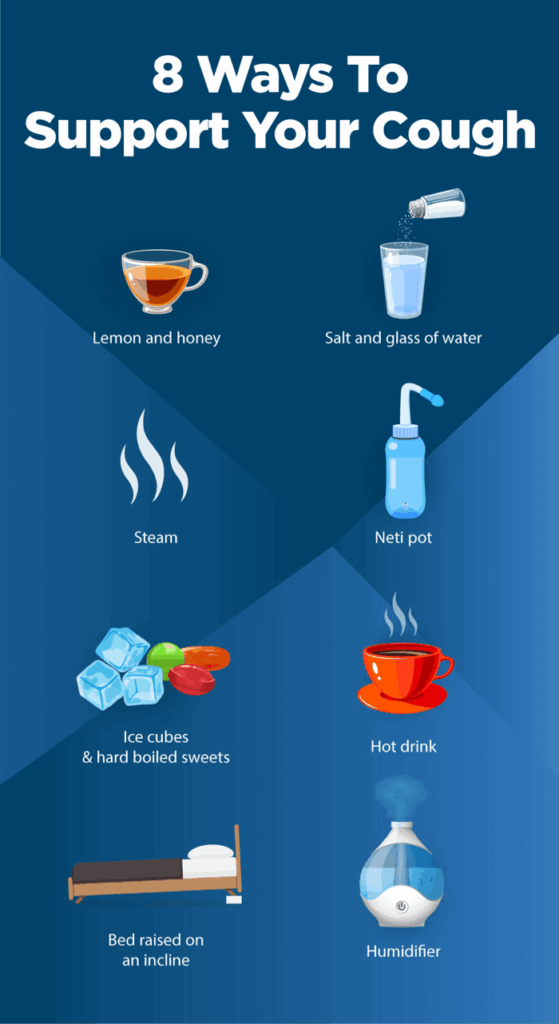
As winter approaches, a common symptom that affects many people is a cough caused by mucus. In this article, we will delve into the differences between a dry cough and a wet cough, explore natural remedies for the latter, and provide guidance on how to alleviate symptoms.
What is a Cough Caused by Mucus?
A cough caused by mucus, also known as a wet cough, occurs when the airways become congested with excess mucus. This congestion triggers an involuntary reflex that causes the body to expel the mucus through coughing. The resulting substance is often referred to as “catarrh” or “phlegm.”
In contrast, a dry cough lacks lubrication in the airways, causing the sensation of scraping or irritation when one tries to cough.
Seasonal Coughs and Allergies
Coughs caused by mucus are particularly prevalent during the winter months due to the common cold and flu. The increased amount of mucilages produced by the body can lead to excessive congestion in the respiratory system, resulting in a wet cough. It’s worth noting that children may be more susceptible to this type of cough, and their parents should consult with their pediatrician before administering medication.
Consulting a Doctor Before Treating Your Cough
Before attempting any remedies for your cough, it is crucial to consult with your doctor, especially if you have pre-existing medical conditions or allergies. Each person’s health history is unique, so it’s essential to explore all available options and discuss potential risks and benefits before treating yourself.
Natural Remedies for a Wet Cough
Fortunately, there are several natural remedies that can help alleviate the symptoms of a wet cough:
Thyme Tea
Thyme tea has been traditionally used to treat various respiratory issues due to its decongestant properties. To make this soothing drink, combine 2 teaspoons of dried thyme with boiling water and let it steep for 5-7 minutes.
Eucalyptus Oil
The essential oil of eucalyptus is a potent decongestant that can help reduce nasal congestion and relieve coughing. Add a few drops to your humidifier or inhale it directly from a cloth or handkerchief to ease respiratory symptoms.
Sesame Oil
Sesame oil has anti-inflammatory properties that may aid in reducing inflammation of the mucous membranes, helping alleviate coughing symptoms. Warm sesame oil by placing it on the chest or back and inhaling deeply for 2-3 minutes.
Additional Natural Remedies
In addition to these remedies, other plants with expectorant properties, such as basil, saponaria, anise, and black licorice root, can also help expel mucus from the airways. A warm drink made with ginger, cinnamon, and cloves is another option that can provide relief.
Preparation of Remedies
When preparing your own remedies at home, follow these guidelines:
- Use clean equipment to avoid cross-contamination.
- Consult with a medical professional before administering herbal remedies or oils to children or individuals with pre-existing conditions.
- Follow proper dosages and preparation methods to ensure safe consumption.
Preventing Infections
In addition to treating the symptoms of a wet cough, it’s essential to take preventative measures against respiratory infections. Practice good hygiene habits such as frequent handwashing, avoiding close contact with infected individuals, and wearing protective masks when necessary.
By implementing these remedies and maintaining proper health practices, you can alleviate the discomfort caused by a wet cough and promote overall well-being during the cold season.
Frequently Asked Questions
- What are some common causes of a dry cough?
Dry coughs may be triggered by various factors such as allergies, asthma, or environmental irritants like pollution and tobacco smoke. - Can I treat my child’s wet cough at home without consulting a doctor?
While some remedies can provide temporary relief, it’s always best to consult with your pediatrician before administering any medication or treatment for children. - What are the most effective natural remedies for a wet cough?
Thyme tea, eucalyptus oil, and sesame oil have been traditionally used to alleviate respiratory symptoms. However, it’s essential to consult with a medical professional before using these remedies. - Can I prevent infections during the cold season by practicing good hygiene?
Yes, regular handwashing, avoiding close contact with infected individuals, and wearing protective masks when necessary can significantly reduce the risk of infection.
By understanding and addressing the root causes of your cough and taking proactive steps to maintain overall health, you can alleviate discomfort and promote well-being during the cold season.


