
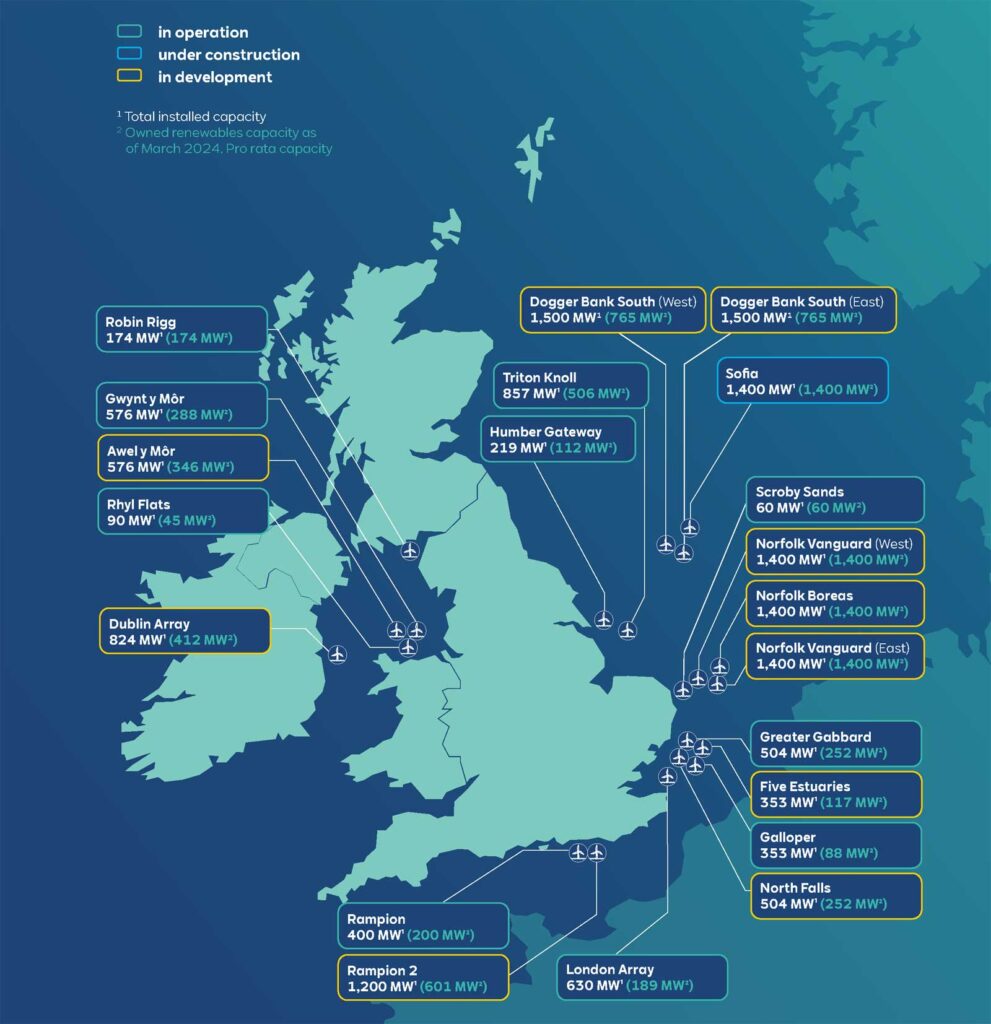
As we continue to explore the realm of renewable energy, one topic that has garnered significant attention is offshore wind. But where are we in this journey? What projects have been initiated, and which ones are still in the planning stages? In this article, we will delve into the world of offshore wind energy, examining the current state of affairs and highlighting key developments.
An Overview of Offshore Wind Projects
According to a recent report by Main(e) International Consulting LLC, there are currently 8 operational offshore wind projects underway in Japan. Additionally, several countries have announced plans to expand their offshore wind capacity, with some projects already under construction or in the testing phase.
Here’s a breakdown of the countries that are actively pursuing offshore wind energy:
- Japan: 8 operational projects
- Including the upcoming Fukushima project, which aims to deploy 150 turbines with a total capacity of 1 GW by the end of this decade.
- Norway: 4 operational projects
- USA: 3 operational projects
- France: 3 operational projects
- Netherlands: 3 operational projects
- Germany: 2 operational projects
- Sweden: 2 operational projects
- Spain: 1 operational project
- Denmark: 1 operational project
- UK: 1 operational project
Turbines Galleggianti: The Attraction
When it comes to offshore wind, floating turbines are a particularly attractive option for companies in the industry. In the Mediterranean Sea, a pilot project is currently underway, testing the first-ever offshore turbine of its kind. According to an article in the Financial Times, Japan’s interest in offshore wind has increased significantly since the Fukushima disaster, driven by the country’s limited land availability.
The Japanese government has provided funding for a $160 million project to test turbines and infrastructure in the Fukushima area. If successful, this project could pave the way for 150 floating turbines with a total capacity of 1 GW by the end of the decade.
Cost Comparison: Onshore vs Offshore Wind
While offshore wind is more expensive than onshore wind in terms of installation costs, it offers several benefits when considering production costs. The strong and consistent winds in open waters make offshore wind more reliable and predictable. German tests have demonstrated this advantage, showcasing the reliability of offshore wind energy.
Furthermore, the cost of land plays a significant role in determining the feasibility of onshore wind projects. In countries like Japan, where land is scarce and expensive, the economic disparity between onshore and offshore wind can be negligible.
Innovations in Floating Turbine Technology
Floating turbines are a game-changer for offshore wind energy, allowing companies to harness winds that were previously inaccessible due to depth or distance from shore. According to an article by Renewable Energy World, advances in floating turbine technology have made it possible to build larger turbines with improved efficiency and reduced costs.
The leading players in the field of floating wind are:
- GE Renewable Energy: Developing a 10-megawatt (MW) turbine designed for offshore applications.
- Siemens Gamesa Renewable Energy: Building a 12 MW turbine optimized for the harsh offshore conditions found in regions such as the North Sea.
Challenges and Opportunities
While offshore wind has made significant progress, there are still several challenges to be addressed. Some of these include:
- High upfront costs: The installation of offshore wind turbines requires significant investment, making it difficult for some companies to break even.
- Environmental concerns: Offshore wind projects must carefully consider the potential impact on marine life and ecosystems.
- Regulatory frameworks: Governments must create policies that support the growth of offshore wind energy while ensuring public safety.
Despite these challenges, there are many opportunities for innovation and collaboration. Some areas of focus include:
- Advances in materials science: Improving turbine design and construction materials could lead to significant reductions in costs.
- Increased use of AI and automation: Optimizing turbine performance using machine learning algorithms could improve efficiency and reduce maintenance needs.
- Community engagement: Developing robust communication strategies with local communities can help address concerns and build support for offshore wind projects.
Conclusion
As we continue to explore the possibilities of renewable energy, it’s clear that offshore wind is becoming an increasingly important player. With ongoing developments in floating turbine technology and growing interest from governments around the world, we can expect to see significant advancements in the coming years.
Whether you’re a seasoned industry professional or simply curious about the future of energy production, one thing is certain: offshore wind is here to stay.
Frequently Asked Questions
- What is the current state of offshore wind projects worldwide?
Offshore wind projects are currently underway in several countries, including Japan, Norway, the USA, France, the Netherlands, Germany, Sweden, Spain, Denmark, and the UK. - How many operational offshore wind projects are there globally?
There are currently 8 operational offshore wind projects in Japan alone, with several other countries having multiple projects under construction or testing. - What is the driving force behind Japan’s increased interest in offshore wind?
Japan’s limited land availability and the Fukushima disaster have contributed to a surge in interest in offshore wind energy. - How does offshore wind compare to onshore wind in terms of production costs?
Offshore wind is generally more expensive to install than onshore wind, but its strong and consistent winds make it more reliable and predictable. - What role does land availability play in determining the economic viability of wind projects?
The cost of land plays a significant role in determining the feasibility of wind projects, particularly in countries with limited land availability like Japan. - Can you provide examples of successful offshore wind projects around the world?
Several countries have successfully implemented offshore wind projects, including Germany’s Baltic Sea Project and Denmark’s Horns Rev 3 project. - What are some of the key challenges facing the development of offshore wind energy?
Challenges include high upfront costs, limited technological advancements, and regulatory hurdles. - How can individuals contribute to the growth of offshore wind energy?
Individuals can support the development of offshore wind energy by advocating for policy changes that promote renewable energy, investing in wind-energy-related businesses, and spreading awareness about the benefits of offshore wind.


