
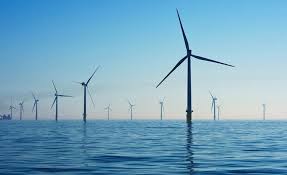
As we look towards the year 2020, it’s clear that the offshore wind industry is on the rise. Despite still not reaching the same level of power as onshore wind, the sector is experiencing rapid growth, with global forecasts predicting a business of $130 million by 2020. This growing trend is expected to continue, with Europe leading the charge and other regions making significant contributions.
Global Growth and Competition
The cost of offshore wind will continue to decrease, making it more competitive with the solar photovoltaic market and onshore wind. Europe is expected to dominate the global offshore wind market, while North America and Asia-Pacific regions will also have significant shares. The innovation in technology is overcoming the barriers that have limited the development of the offshore sector until now. Many of these technologies are held by Asian companies.
One of the main factors contributing to the growth of the offshore wind industry is the decreasing cost of production. As technology improves, costs can be reduced, making it more viable for companies to invest in this sector. This trend is expected to continue, with forecasts predicting that the global offshore wind market will reach a capacity of 20 GW by 2020.
New Offshore Wind Farms: A Global Phenomenon
Offshore wind farms should be sprouting up around the world, but Europe is leading the charge. The European Union has set ambitious targets for 2020, aiming to reach a production capacity of 40 gigawatts (GW) from offshore wind, which will account for 12% of renewable energy capacity.
Currently, Europe has a capacity of 5 GW offshore, most of which was installed in 2012. Many projects are currently under development, and it’s expected that the offshore industry in Europe will move capital of over $14 billion annually by 2020. In 2013, an additional 1.8 GW is expected to be added, bringing the total to 7 billion dollars in investments.
Current Capacity and Future Projects
Currently, Europe has a capacity of 5 GW offshore, with many projects already under development. Some of these projects include:
- The Dogger Bank Wind Farm off the coast of the UK
- The Greater Gabbard Wind Farm off the coast of the UK
- The Walney Extension Wind Farm in the Irish Sea
- The Arklow Bank Wind Park in Ireland
These projects are expected to be completed by 2020 and will add significant capacity to the European offshore wind market. Other regions, such as North America and Asia-Pacific, will also have significant contributions to the growth of the industry.
Optimistic Projections: Is It Too Good to Be True?
These projections may seem too optimistic at first glance, but they have been backed by Roland Berger, who took into account the decreasing costs and growth of leading industry companies. Offshore wind is dominated mainly by two companies: Siemens and Vestas. Other prominent players include Repower, WinWind, Sinovel, and General Electric.
There are many “new entry” companies as well, such as Hyundai, Samsung, and Gamesa. These new entrants are expected to bring significant investment to the industry, helping to drive growth and reduce costs.
Future Turbines: Larger and More Powerful
By 2020, the turbines that will characterize the offshore industry will be bigger and more powerful than current ones. The average capacity of an offshore installation is expected to increase from 200 MW to 340 MW, with individual turbines capable of producing between 4-7 MW, roughly double the current capacity (2-3 MW).
These larger turbines will not only increase the overall capacity of offshore wind farms but also reduce the number of turbines needed. This trend towards bigger and more powerful turbines is expected to continue, helping to drive growth in the industry.
Conclusion
The offshore wind industry is growing rapidly, and by 2020, it’s expected to be a major player in the renewable energy sector. Europe will lead the charge, but other regions will also make significant contributions. As technology continues to improve, costs will decrease, making offshore wind an increasingly viable option for energy production.
Frequently Asked Questions
- What is the current state of the offshore wind industry?
The industry is growing rapidly, with global forecasts predicting a business of $130 million by 2020. - Who are the dominant players in the offshore wind market?
Siemens and Vestas are currently leading the industry, followed by Repower, WinWind, Sinovel, and General Electric. - What are the expected costs of offshore wind in 2020?
The cost of offshore wind is expected to decrease, making it more competitive with other forms of renewable energy. - How much investment is expected in the offshore industry in Europe by 2020?
Over $14 billion annually. - What are the current and future capacity targets for offshore wind in Europe?
Currently, Europe has a capacity of 5 GW, with an additional 1.8 GW expected to be added by 2013, bringing the total to 7 billion dollars in investments.
Innovations in Offshore Wind Technology
The offshore wind industry is witnessing rapid advancements in technology. Some of the key innovations include:
- Floating wind turbines: These are designed to operate in deep waters and can reduce costs associated with foundation installation.
- Larger turbines: As mentioned earlier, larger turbines will increase overall capacity and reduce the number needed.
- Advanced control systems: These enable better control of turbine performance and increase efficiency.
- Reduced foundation requirements: Advances in technology have reduced the need for large foundations, making offshore wind more viable.
These innovations are expected to drive growth in the industry, reducing costs and increasing efficiency. As technology continues to improve, the offshore wind sector will become an increasingly important player in the global energy landscape.
Challenges and Barriers
Despite the growing trend of offshore wind, there are still significant challenges and barriers to its development. Some of these include:
- Higher costs: Although costs are decreasing, offshore wind is still more expensive than onshore wind.
- Remote locations: Many offshore wind farms are located in remote areas, making maintenance and repair more challenging.
- Technical limitations: Deep water turbines require specialized foundations and cabling, increasing complexity and cost.
To overcome these challenges, innovators are working to develop new technologies and strategies. For example:
- Advanced materials: New materials are being developed that can withstand the harsh conditions of deep water.
- Subsea cables: These enable better control of turbine performance and reduce maintenance costs.
- Remote monitoring systems: These allow for real-time monitoring of turbine performance, reducing downtime and improving efficiency.
Conclusion
The offshore wind industry is on the rise, with Europe leading the charge. As technology continues to improve, costs will decrease, making offshore wind an increasingly viable option for energy production. Despite challenges and barriers, innovators are working to develop new technologies and strategies that can overcome these obstacles. By 2020, it’s expected that offshore wind will play a significant role in the renewable energy sector, driving growth and reducing greenhouse gas emissions.
Future Outlook
The future outlook for the offshore wind industry is promising. As technology continues to improve, costs are expected to decrease, making offshore wind an increasingly viable option for energy production. The European Union has set ambitious targets for 2020, aiming to reach a production capacity of 40 GW from offshore wind. Other regions will also make significant contributions to the growth of the industry.
Innovators and companies are working together to develop new technologies and strategies that can overcome challenges and barriers. Advances in materials science, electrical engineering, and computer science are expected to drive growth in the sector. The offshore wind industry has the potential to play a major role in reducing greenhouse gas emissions and promoting sustainable energy production.
Conclusion
The offshore wind industry is on the rise, with Europe leading the charge. As technology continues to improve, costs will decrease, making offshore wind an increasingly viable option for energy production. With ambitious targets set by the European Union, it’s clear that offshore wind has a major role to play in the future of renewable energy production.


