
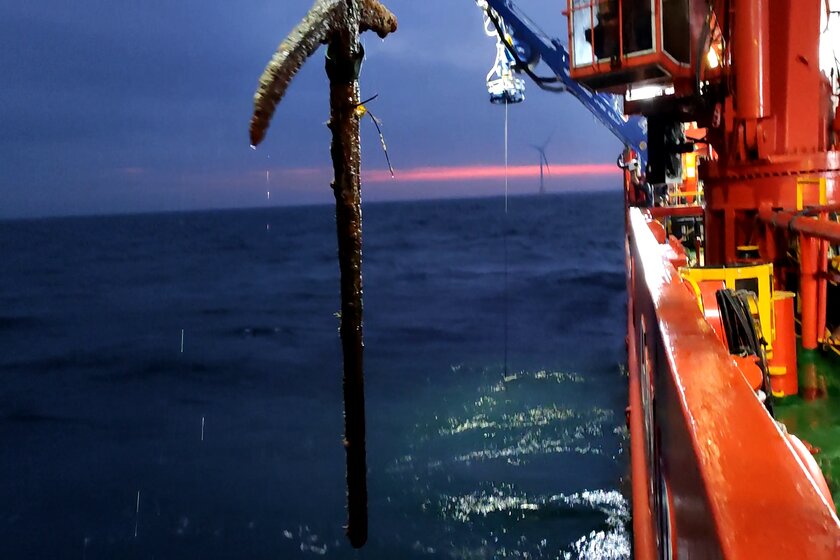
1. Introduction to Offshore Wind Energy
As we look towards a sustainable future, offshore wind energy has emerged as a game-changer in the renewable energy sector. With the ability to power over 370,000 homes, a new large-scale offshore wind farm is set to revolutionize the way we think about clean energy. In this article, we’ll delve into the world of offshore wind energy, exploring its history, benefits, and future prospects.
Offshore wind energy is a form of renewable energy that harnesses the power of wind to generate electricity. Unlike traditional onshore wind farms, which are typically located in rural areas, offshore wind farms are situated in the ocean, away from coastal communities. This location offers several advantages, including:
- Access to stronger and more consistent winds
- Reduced visual impact on surrounding landscapes
- Greater distance from populated areas, reducing noise pollution
2. The Siemens Partnership
A recent deal between Siemens and the German government has marked a significant milestone in the development of offshore wind energy. The company will supply 80 turbines for a new wind farm off the coast of Germany, set to power over 370,000 homes. This partnership is just one example of how technology giants are stepping up to support the transition to renewable energy.
This deal highlights the growing importance of offshore wind energy in Germany’s renewable energy strategy. With its ambitious targets to reduce greenhouse gas emissions and transition to a low-carbon economy, Siemens’ commitment to this sector is a welcome step forward.
3. The Horns Rev II Wind Farm
Completeted in 2009, the Horns Rev II wind farm in the North Sea holds the record for the largest offshore wind farm in the world. With 91 turbines and a capacity of 210 megawatts, it’s enough to power over 200,000 homes. Siemens played a key role in its development, showcasing the company’s commitment to renewable energy.
The Horns Rev II wind farm was a significant milestone in the development of offshore wind energy. It demonstrated the potential for large-scale offshore wind farms to generate significant amounts of electricity and paved the way for future projects.
4. The Butendiek Wind Farm
Scheduled for completion by 2015, the Butendiek wind farm will be one of the largest offshore wind farms in Germany. Situated 34 kilometers off the coast of Sylt Island, it will feature 80 turbines with a capacity of 3.6 megawatts each. This project represents a significant step forward for Germany’s renewable energy ambitions.
The Butendiek wind farm is an exciting development that highlights the growing importance of offshore wind energy in Germany’s renewable energy strategy. With its ambitious targets to reduce greenhouse gas emissions and transition to a low-carbon economy, this project is a welcome step forward.
5. The Benefits of Offshore Wind Energy
So why is offshore wind energy gaining traction? For one, it offers a cleaner source of energy than traditional fossil fuels. Additionally, the technology has become more efficient and cost-effective over the years, making it an attractive option for countries looking to reduce their carbon footprint.
Offshore wind energy also presents several other benefits, including:
- Reduced greenhouse gas emissions
- Improved air quality
- Enhanced energy security
6. A Growing Industry
The global offshore wind industry is expected to reach 500 gigawatts by 2020. Germany, in particular, is investing heavily in offshore wind energy, with over 30 projects underway or already operational. This growth is driven by decreasing costs and increasing demand for renewable energy.
As the global offshore wind industry continues to grow, it’s clear that this sector will play an increasingly important role in the transition to a low-carbon economy.
7. The Future of Offshore Wind
As the world continues to grapple with climate change, offshore wind energy is poised to play a major role in the transition to a low-carbon economy. With technological advancements on the horizon, it’s clear that this industry will only continue to grow and evolve.
Offshore wind energy is an exciting development that presents significant opportunities for growth and innovation. As we look to the future, it’s clear that this sector will play an increasingly important role in shaping our sustainable future.
8. Challenges and Opportunities
While there are challenges associated with developing offshore wind farms, such as high upfront costs and environmental concerns, these can be addressed through innovative solutions and careful planning. The benefits of offshore wind energy far outweigh the drawbacks, making it an attractive option for countries looking to reduce their reliance on fossil fuels.
As the global offshore wind industry continues to grow, it’s clear that this sector will present both challenges and opportunities. By addressing these challenges through innovative solutions and careful planning, we can unlock the full potential of offshore wind energy and create a more sustainable future.
9. A New Era in Renewable Energy
As we look to the future, it’s clear that offshore wind energy is poised to become a major player in the renewable energy sector. With companies like Siemens leading the charge, we can expect to see significant growth and development in this industry over the coming years.
Offshore wind energy represents a new era in renewable energy, one that offers significant opportunities for growth and innovation. As we look to the future, it’s clear that this sector will play an increasingly important role in shaping our sustainable future.
10. Conclusion
In conclusion, offshore wind energy is an exciting development in the world of renewable energy. With its ability to power millions of homes, it’s clear that this technology has a bright future ahead. As we continue to navigate the complexities of climate change, one thing is certain: offshore wind energy will play a major role in shaping our sustainable future.
Offshore wind energy offers a cleaner source of energy than traditional fossil fuels and has become more efficient and cost-effective over the years. With its ambitious targets to reduce greenhouse gas emissions and transition to a low-carbon economy, this project is a welcome step forward.
As we look to the future, it’s clear that offshore wind energy will play an increasingly important role in shaping our sustainable future. With technological advancements on the horizon, it’s clear that this industry will only continue to grow and evolve.


