
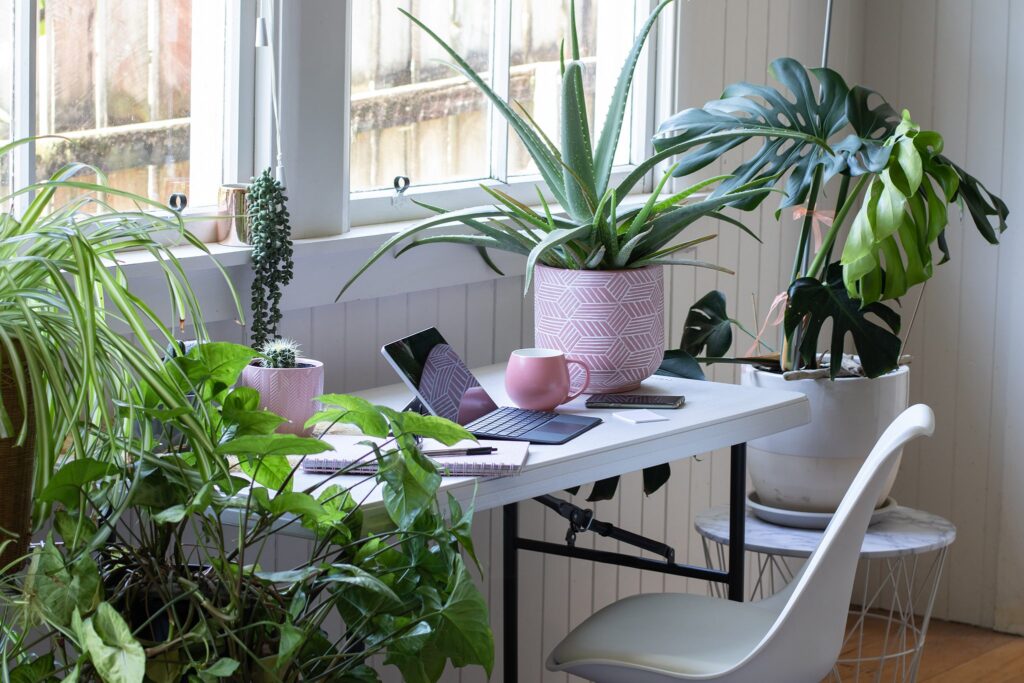
As an office dweller, you’re likely no stranger to the concept of “plant parenting.” But with so many options available, it can be overwhelming to choose the right plants for your workspace. In this article, we’ll explore the different types of office plants, their benefits, and how to care for them.
Why Office Plants Matter
Office plants are more than just decorative additions; they also offer a range of benefits for employees and employers alike. Some of these benefits include:
- Improved air quality: Plants absorb carbon dioxide and release oxygen, creating a healthier indoor environment.
- Increased productivity: Studies have shown that employees who work in offices with plants tend to be more productive and focused.
- Enhanced aesthetics: Adding plants to your office can boost its natural beauty and create a welcoming atmosphere.
Types of Office Plants
When it comes to choosing the right plants for your office, there are several factors to consider. Here are some popular options:
1. Low-Light Plants
If your office has limited natural light, don’t worry! There are still plenty of low-light plants that can thrive in these conditions.
- Snake Plant (Sansevieria Trifasciata): This plant is almost impossible to kill and can survive with minimal light.
- ZZ Plant (Zamioculcas zamiifolia): The ZZ plant is a low-maintenance option that can tolerate low light and infrequent watering.
- Pothos (Epipremnum aureum): Pothos is a versatile, low-maintenance plant that can thrive in low-light conditions.
- Dracaena (Dracaena spp.): Dracaena is a popular choice for offices with limited natural light, as it can tolerate low light and infrequent watering.
2. High-Light Plants
If your office has plenty of natural light, you can choose plants that will thrive in these conditions.
- Spider Plant (Chlorophytum comosum): Spider plants are easy to care for and produce beautiful white flowers.
- Peace Lily (Spathiphyllum wallisii): The peace lily is a popular choice for offices with high light levels, as it can help purify the air.
- Boston Fern (Nephrolepis exaltata): Boston ferns are a popular choice for offices with high light levels, as they add a touch of greenery and elegance to your workspace.
- English Ivy (Hedera helix): English ivy is a versatile plant that can be trained to climb or left to trail.
3. Succulents
Succulents are a great option for offices with limited watering schedules.
- Aloe Vera (Aloe barbadensis): Aloe vera is not only beautiful but also has medicinal properties that can soothe burns and skin irritations.
- Cacti: Cacti are perfect for offices where watering may be a challenge, as they store water in their leaves.
- Echeveria (Echeveria spp.): Echeveria is a popular choice for succulents, as it comes in a variety of colors and textures.
- Crassula (Crassula spp.): Crassula is another popular succulent option that’s perfect for offices with limited watering schedules.
4. Air-Purifying Plants
Some plants are specifically designed to purify the air in your office.
- Ficus Benjamin (Ficus benjamina): The ficus benjamin is a popular choice for offices with high light levels, as it can help remove toxins from the air.
- English Ivy (Hedera helix): English ivy is a versatile plant that can be trained to climb or left to trail and is also known to purify the air.
- Dracaena (Dracaena spp.): Dracaena is not only low-maintenance but also effective at removing toxins from the air.
- Philodendron (Philodendron spp.): Philodendron is a popular choice for offices with high light levels, as it can help purify the air and add a touch of greenery to your workspace.
Tips for Caring for Office Plants
While office plants are relatively low-maintenance, there are still some tips and tricks to keep in mind:
- Watering: Over-watering is the most common cause of death in indoor plants. Check the soil moisture by sticking your finger into the soil up to the first knuckle.
- Lighting: Most office plants prefer bright, indirect light. Avoid placing plants in direct sunlight, as this can cause burning.
- Temperature: Most office plants prefer temperatures between 65-75°F (18-24°C).
- Humidity: Many office plants prefer a humid environment, but some can tolerate dry conditions. Check the specific needs of your plant to ensure you’re providing the right amount of humidity.
Feng Shui and Office Plants
The concept of feng shui is an ancient Chinese philosophy that aims to balance and harmonize the energy in a given space. In the context of office plants, feng shui suggests that certain plants can help enhance the energy in your workspace.
- Yin vs. Yang: The yin principle represents water and moisture, while the yang principle represents fire and light. Plants like peace lilies and spider plants represent the yang principle.
- Balance: A balanced arrangement of plants and furniture can create a harmonious energy in your office.
- Color: Choose plants with colors that complement your office decor to enhance the energy in your workspace.
Conclusion
Office plants are more than just decorative additions; they offer a range of benefits for employees and employers alike. By choosing the right type of plant for your office, you can improve air quality, increase productivity, and enhance aesthetics. Remember to follow basic care tips and consider the principles of feng shui when selecting plants for your workspace.
Frequently Asked Questions
- Q: What is the best plant for low-light offices?
A: The snake plant (Sansevieria Trifasciata) is a great option for low-light offices. - Q: Can I use succulents in my office?
A: Yes, succulents are perfect for offices with limited watering schedules. - Q: How often should I water my office plants?
A: Check the soil moisture by sticking your finger into the soil up to the first knuckle. Water only when necessary. - Q: What is feng shui, and how can it benefit my office?
A: Feng shui is an ancient Chinese philosophy that aims to balance and harmonize the energy in a given space. By considering the principles of yin and yang and balancing your arrangement of plants and furniture, you can create a more harmonious energy in your office. - Q: Can I use air-purifying plants in my home?
A: Yes, air-purifying plants like peace lilies and spider plants can be used in both offices and homes to improve indoor air quality. - Q: How often should I prune my office plants?
A: Prune your office plants regularly to maintain their shape and promote healthy growth. - Q: Can I use multiple plants together?
A: Yes, combining multiple plants with different textures and colors can create a visually appealing arrangement in your office.
Additional Tips for Office Plant Care
- Use a well-draining potting mix to prevent waterlogged soil.
- Avoid over-fertilizing, as this can cause more harm than good.
- Keep an eye out for pests like spider mites, mealybugs, and scale.
- Rotate plants regularly to ensure even growth and prevent leaning.
By following these tips and choosing the right plant for your office, you can create a healthier, happier workspace. Remember to take care of yourself and your plants, and don’t be afraid to ask for help if you need it!


