
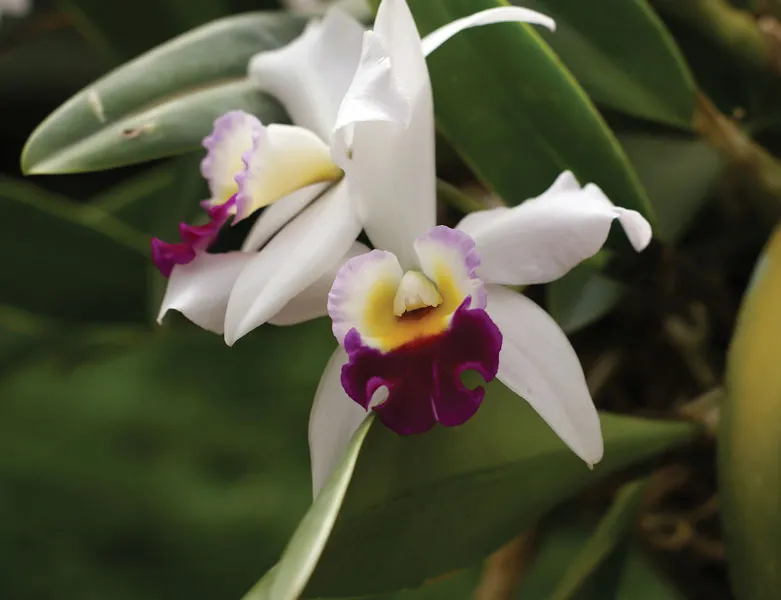
In the realm of orchids, there exists a rare and exotic species that has captured the hearts of many: the Odontoglossum. This delicate flower is native to the Andean region of Central America, where it thrives in high altitudes. In this article, we will delve into the characteristics of this unique plant, explore its cultivation requirements, and discuss the challenges and joys of growing an Odontoglossum.
What makes Odontoglossum unique?
The Odontoglossum is a type of epiphytic orchid that has adapted to grow on other plants. Its simpodial structure means that the apical growth point degenerates, and its function is taken over by the surrounding gemmiferous points. This unique characteristic allows it to thrive in environments with limited space.
One of the most striking features of the Odontoglossum is its long, narrow leaves, which resemble a snake-like shape. The plant’s roots are also relatively delicate compared to other orchid species, making it essential to use a soft and well-draining humus when potting.
Cultivating an Odontoglossum: A Guide
Growing an Odontoglossum requires attention to detail and a gentle touch. Here are some key factors to consider:
Exposure and Temperature
Odontoglossums prefer cooler temperatures, typically between 10°C to 20°C (50°F to 68°F). Direct sunlight can cause the leaves to become scorched, so it’s best to provide filtered or dappled light. During the winter months, move the plant to a cooler location, as it will require protection from extreme cold.
Soil and Humidity
Use a well-draining potting mix specifically designed for orchids. You can also add a layer of fir bark or sphagnum moss to mimic the plant’s natural habitat. Maintain high humidity by placing the pot on a tray filled with water and pebbles or using a humidifier.
Watering
Water your Odontoglossum thoroughly, making sure the potting mix is consistently moist but not waterlogged. Use an aquarium or terrarium to create a mini-ecosystem that maintains humidity and prevents root rot.
Fertilization
Feed your Odontoglossum with a balanced fertilizer during the growing season (spring and summer). Dilute the fertilizer to half the recommended strength to avoid burning the roots.
Propagation
Reproducing an Odontoglossum can be challenging, as it takes several years for new plants to mature. To propagate, you’ll need to create an air-layering or division technique, which requires patience and dedication.
Common Problems and Solutions
Keep in mind that Odontoglossums are susceptible to pests like aphids, mealybugs, and spider mites. Regularly inspect your plant for signs of infestation and treat promptly with insecticidal soap or neem oil.
Other potential issues include root rot due to overwatering or underwatering. Ensure the potting mix is consistently moist but not waterlogged, and avoid exposing the plant to extreme temperatures.
Fun Facts about Odontoglossum
The name “Odontoglossum” comes from the Greek words “odous” (tooth) and “glossa” (tongue), referring to the two appendages at the base of the labello. In the world of flowers, the orchid is often associated with sensuality and romance.
In addition, Odontoglossums are known for their unique labeling process, where they produce a small, tooth-like structure that resembles a tongue. This process is called “labeling” and can take several months to complete.
Odontoglossum Varieties
There are over 200 species of Odontoglossum, each with its own unique characteristics and growing requirements. Some popular varieties include:
- Odontoglossum x intermedium: A hybrid of two different species, this variety is known for its bright yellow flowers.
- Odontoglossum molybdes: This variety produces small, white flowers that are highly prized by collectors.
- Odontoglossum alvarezii: A rare and exotic variety from the Andean region, this orchid is highly sought after by enthusiasts.
Growing Odontoglossums in Greenhouses
Greenhouses provide an ideal environment for growing Odontoglossums. With controlled temperatures, humidity levels, and light exposure, you can create a thriving ecosystem that supports the plant’s unique needs.
When growing Odontoglossums in greenhouses, be sure to provide plenty of ventilation to prevent fungal diseases from developing. Regularly inspect your plants for signs of pests or disease and take prompt action to address any issues.
Challenges and Joys of Growing an Odontoglossum
Growing an Odontoglossum can be a rewarding experience, but it also comes with its challenges. Here are some common issues that growers face:
- Slow growth: Odontoglossums grow slowly, which can make them challenging to care for.
- Sensitive roots: The plant’s delicate roots require careful handling and maintenance.
- Pests and diseases: Odontoglossums are susceptible to pests and diseases, which can quickly spread if not addressed.
Despite these challenges, many growers find the experience of cultivating an Odontoglossum to be highly rewarding. With patience, dedication, and the right care, you can create a thriving environment that supports this exquisite flower.
Care Tips for Outdoor Growth
If you live in a region with mild winters, you may consider growing your Odontoglossum outdoors. Here are some tips for caring for your plant when grown outside:
- Provide filtered light: Direct sunlight can cause the leaves to become scorched.
- Maintain high humidity: Use misting or sprinkling water regularly to keep the environment humid.
- Protect from extreme temperatures: Be sure to provide shade during hot summer months and protection from frost during winter.
Conclusion
Growing an Odontoglossum requires attention to detail, patience, and dedication. By understanding its unique characteristics and needs, you can create a thriving environment for this exquisite flower to flourish. Whether you’re a seasoned grower or just starting out, cultivating an Odontoglossum is a rewarding experience that offers a glimpse into the mysterious world of orchids.
FAQs
- What temperature range should I keep my Odontoglossum in?
Keep your Odontoglossum in temperatures between 10°C to 20°C (50°F to 68°F). - How often should I water my Odontoglossum?
Water your Odontoglossum thoroughly, making sure the potting mix is consistently moist but not waterlogged. - What type of fertilizer should I use for my Odontoglossum?
Use a balanced, water-soluble fertilizer during the growing season (spring and summer). - How long does it take to propagate an Odontoglossum?
Reproducing an Odontoglossum can take several years, with air-layering or division techniques requiring patience and dedication. - What are common pests that affect Odontoglossums?
Common pests include aphids, mealybugs, and spider mites; treat promptly with insecticidal soap or neem oil. - How do I prevent root rot in my Odontoglossum?
Ensure the potting mix is consistently moist but not waterlogged, and avoid exposing the plant to extreme temperatures. - Can I grow an Odontoglossum indoors?
Yes, with proper care and attention to detail, you can successfully cultivate an Odontoglossum in your home or office. - What are some signs of overwatering or underwatering in my Odontoglossum?
Signs of overwatering include yellowing leaves and soft stems; signs of underwatering include wrinkled leaves and dry stems.
By following these guidelines and being mindful of the unique needs of your Odontoglossum, you’ll be well on your way to creating a thriving environment for this exquisite flower.


