
Understanding Canine Obesity: Causes, Consequences, and Remedies
As a responsible dog owner, it’s essential to be aware of the growing problem of canine obesity. The statistics are alarming – approximately 50% of dogs suffer from weight-related issues. But what causes this condition, and how can you help your furry friend achieve a healthy weight?
The Risks of Canine Obesity
Obesity in dogs is a significant health concern that can lead to various complications, including:
- Diabetes: Excess weight can increase the risk of developing insulin resistance and type 2 diabetes.
- Liver problems: Fatty liver disease can occur when excess fat accumulates in the liver, leading to liver failure and other complications.
- Arthritis: Obese dogs are more prone to joint pain and arthritis, as excess weight puts additional stress on their joints.
- Heart disease: Excess weight can increase the risk of heart disease, including conditions such as cardiomyopathy and arrhythmias.
- Circulatory issues: Obesity can lead to decreased mobility and circulation, which can cause a range of health problems.
It’s crucial to address obesity in dogs before it becomes a serious problem. If left unchecked, canine obesity can have devastating consequences for your pet’s overall health and well-being.
Identifying the Risk Factors
While genetics play a role in some breeds, such as Labradors, Golden Retrievers, Beagles, Bassett Hounds, and Cocker Spaniels, any dog can develop obesity if not properly cared for. Some key risk factors include:
- Age: Senior dogs are more prone to weight gain due to decreased metabolism and reduced physical activity.
- Spaying/Neutering: Castrated or spayed dogs may experience a decrease in metabolism, leading to increased appetite and weight gain.
- Medical conditions: Certain health issues, such as hypothyroidism or Cushing’s disease, can lead to weight gain.
- Medication: Some medications, like anticonvulsants, can increase appetite and contribute to obesity.
- Lack of exercise: Dogs that are not regularly exercised may overeat due to boredom, stress, or lack of physical activity.
The Importance of a Balanced Diet
A well-balanced diet is essential for maintaining your dog’s overall health and preventing obesity. It’s recommended to consult with your veterinarian to determine the best diet for your dog based on their age, size, breed, and activity level.
Key Nutrients for Canine Health
- Protein: Essential for muscle growth and maintenance.
- Fat: Necessary for energy production and skin health.
- Carbohydrates: Provide energy for your dog’s body.
- Fiber: Helps regulate bowel movements and prevent constipation.
- Vitamins and minerals: Crucial for maintaining immune function, bone health, and overall well-being.
Healthy Eating Habits
To promote healthy eating habits in your dog, follow these guidelines:
- Feed a high-quality, balanced diet that meets your dog’s nutritional needs.
- Monitor food intake and avoid overfeeding to prevent weight gain.
- Provide fresh water at all times to ensure proper hydration.
- Limit treats and snacks to avoid excessive calorie consumption.
Exercise and Activity
Regular exercise is crucial for maintaining a healthy weight in dogs. Aim for at least 30 minutes of moderate-intensity exercise per day, such as:
- Brisk walks: A great way to improve cardiovascular health and burn calories.
- Playtime in the yard or park: Provides mental stimulation and physical activity.
- Swimming or water-based activities: Low-impact exercises that can help maintain a healthy weight.
Additional Tips for Maintaining a Healthy Weight
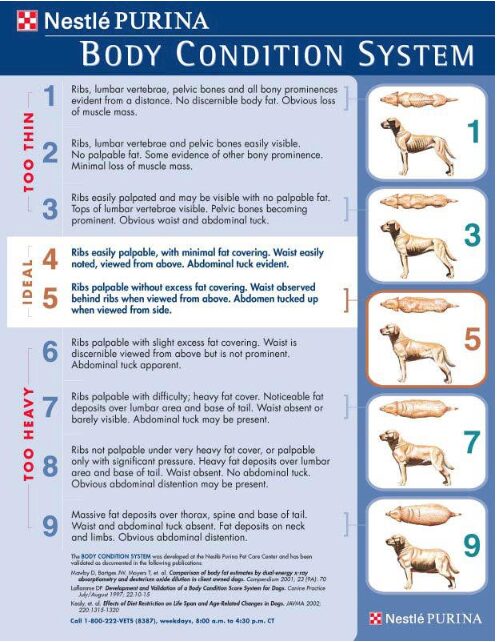
- Monitor your dog’s weight regularly using a body condition scoring system.
- Avoid feeding table scraps, as they can contribute to weight gain and other health problems.
- Limit the number of calories consumed during mealtime by using slow-feeder bowls or puzzle toys.
- Engage in regular playtime with your dog to provide mental stimulation and physical activity.
By understanding canine obesity, its causes, consequences, and remedies, you can take proactive steps to prevent and manage this condition in your furry friend. Consult with your veterinarian for personalized advice on maintaining a healthy weight and overall well-being for your dog.


