
As we continue to explore alternatives to traditional milk, oat milk has emerged as a popular choice. But what exactly is oat milk, and how does it compare to other plant-based options? In this article, we’ll delve into the world of oat milk, exploring its properties, nutritional benefits, and potential drawbacks.
The Misconception of Oat Milk
One common misconception about oat milk is that it’s a direct substitute for traditional milk. However, this couldn’t be further from the truth. While oat milk shares some similarities with traditional milk, such as its creamy texture, it’s fundamentally different in terms of composition and nutritional content.
Oat milk is not a liquid produced by the oats themselves but rather a beverage made by soaking oats in water and blending them into a milky consistency. This process creates a product that’s remarkably close to cow’s milk in terms of taste and texture.
The History of Oat Milk
The concept of oat milk dates back to the 1990s, when it was first introduced as a dairy-free alternative for those with lactose intolerance or dairy allergies. However, it wasn’t until recent years that oat milk gained widespread popularity, thanks in part to its increasing availability in health food stores and online retailers.
The Process of Making Oat Milk
So, how is oat milk made? The process involves soaking oats in water for several hours to rehydrate them. The soaked oats are then blended with additional water to create a milky consistency. Some brands may also add additional ingredients, such as flavorings or thickeners, to enhance the taste and texture of their product.
The Nutritional Benefits of Oat Milk
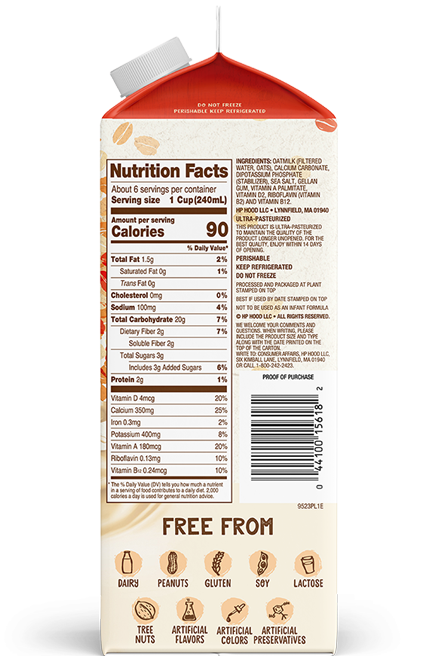
So, what makes oat milk such a popular choice? For starters, it’s relatively low in calories compared to traditional milk. A single serving of oat milk typically contains around 43-50 kcal per 100ml, making it an attractive option for those watching their weight.
In addition to its low calorie count, oat milk is also rich in fiber and has a lower fat content than traditional milk. This makes it an excellent choice for those looking to reduce their intake of saturated fats.
The Benefits of Oat Milk for Heart Health
Research has shown that consuming plant-based milks like oat milk can have a positive impact on heart health. A study published in the Journal of Nutrition found that drinking oat milk reduced triglyceride levels by 9% and LDL (bad) cholesterol by 5%.
The Potential Drawbacks of Oat Milk
However, not all oat milks are created equal. Some products contain added sugars, salt, or other unwanted ingredients that can have negative effects on our health. For example, some commercial oat milks may contain as much sugar as a can of soda.
Moreover, some manufacturers may fortify their oat milk with additives like glutamate or other preservatives to enhance its flavor and shelf life. While these additives might seem harmless in small quantities, they can have unintended consequences for our health over time.
The Gluten Question
One common question surrounding oat milk is whether it’s safe for those with gluten intolerance or celiac disease. The answer lies in the type of oats used. Most commercial oat milks are made from oats that have been processed to remove their natural gluten content.
However, some brands may still contain trace amounts of gluten due to cross-contamination during processing. If you’re gluten-sensitive or have celiac disease, it’s essential to check with the manufacturer to ensure that their product meets your dietary needs.
Choosing the Right Oat Milk
When selecting an oat milk brand, look for products that are low in added sugars, salt, and artificial preservatives. Choose brands that prioritize quality, transparency, and sustainability.
Some popular brands of oat milk include So Delicious, Silk, and Oatly. When shopping for oat milk, always check the ingredient label to ensure that it meets your dietary needs.
FAQs
- What makes oat milk so healthy?
Oat milk is an excellent source of fiber and has a lower fat content compared to traditional milk. It’s also relatively low in calories and rich in nutrients like vitamins E and B12.
2. Is oat milk suitable for those with gluten intolerance or celiac disease?
Not all oat milks are created equal. Some brands may still contain trace amounts of gluten due to cross-contamination during processing. Always check the manufacturer’s label to ensure that their product meets your dietary needs.
3. Can I make my own oat milk at home?
Yes, making your own oat milk at home is a simple process that requires just oats and water. You can find plenty of recipes online or experiment with different flavorings to create your perfect blend.
4. What are the benefits of using oat milk in cooking?
Oat milk’s creamy texture makes it an excellent substitute for traditional dairy products in baking, smoothies, and desserts. It’s also a great option for those looking to reduce their saturated fat intake.
5. Can I consume oat milk if I have high cholesterol?
While oat milk has been shown to lower cholesterol levels in some studies, its effects on individual health can vary depending on factors like dietary habits and overall lifestyle. Consult with your healthcare provider before making any significant changes to your diet.
- How do I choose the best oat milk for my needs?
When selecting an oat milk brand, look for products that are low in added sugars, salt, and artificial preservatives. Choose brands that prioritize quality, transparency, and sustainability.
7. Can oat milk be used as a substitute for traditional milk in coffee or tea?
Absolutely! Oat milk’s creamy texture makes it an excellent substitute for traditional dairy products in hot beverages like coffee or tea.
- Is oat milk safe for consumption during pregnancy or breastfeeding?
Oat milk is generally considered safe for pregnant and breastfeeding women, but always consult with your healthcare provider to ensure that the product you choose meets your dietary needs.
Conclusion
In conclusion, oat milk is an excellent alternative to traditional milk that offers numerous benefits for our health and wellbeing. While some products may contain unwanted additives or high sugar content, it’s essential to choose a reputable brand that prioritizes quality and transparency.
Whether you’re looking for a dairy-free option for your morning coffee or a plant-based substitute for your favorite desserts, oat milk is definitely worth considering. With its creamy texture, low calorie count, and rich nutritional profile, oat milk is an excellent choice for those seeking to make healthier lifestyle choices.
The Future of Oat Milk
As the demand for plant-based milks continues to grow, it’s likely that we’ll see even more innovative products hit the market. Some companies are already experimenting with new flavors and ingredients, such as matcha or turmeric, to create unique and delicious oat milk options.
Whether you’re a seasoned oat milk enthusiast or just starting to explore the world of plant-based milks, there’s never been a better time to try this incredible beverage. So go ahead, grab a carton of your favorite oat milk, and experience the creamy goodness for yourself!


