
As we navigate the complex world of nutrition, it’s essential to focus on foods that offer more than just calories. One such food is oats bran, a nutrient-rich component of oatmeal that has been gaining attention in recent years. In this article, we’ll delve into the characteristics and benefits of oats bran, exploring its potential for improving overall health.
What is Oats Bran?
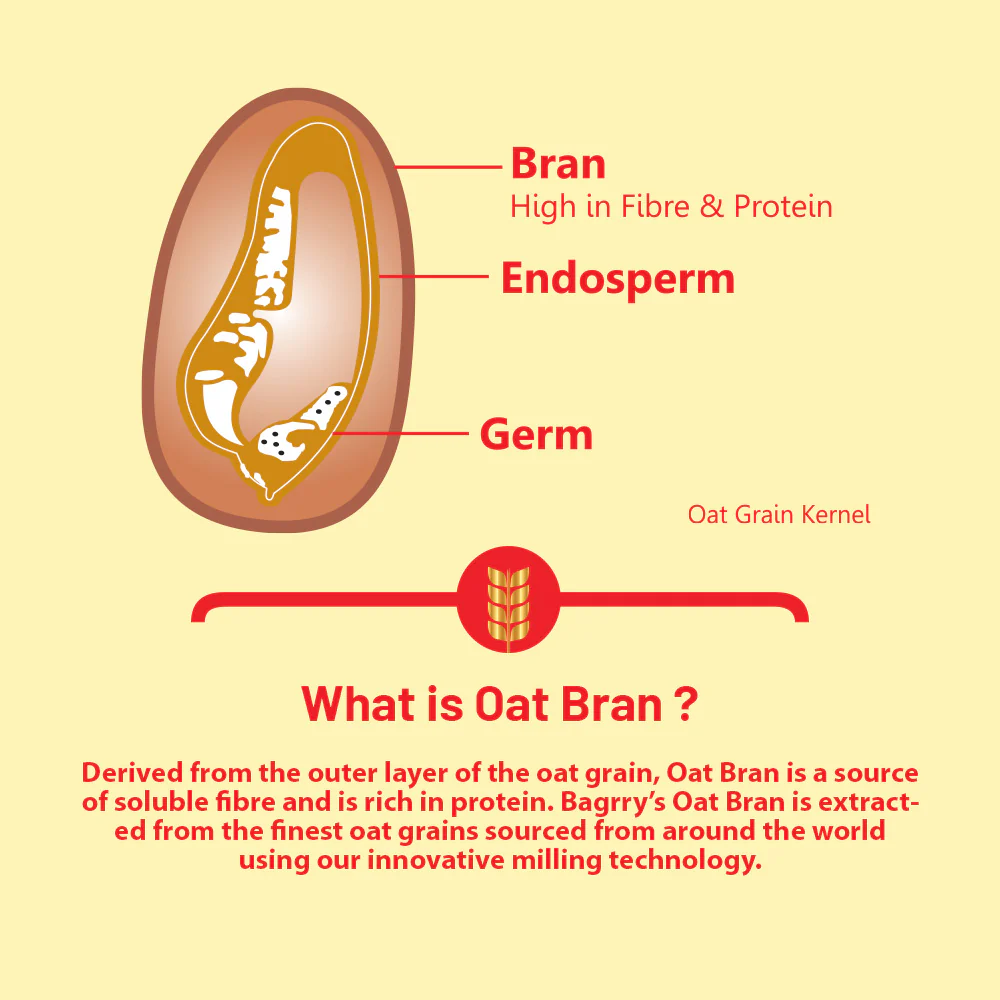
Oats bran is a part of the oat grain, obtained through processing to remove the outer husk, which is non-edible. This processing leaves behind semolina flour, with the bran being the outer layer of the kernel, just beneath the edible portion.
The process of removing the outer husk involves several steps:
- Harvesting: Oats are harvested when mature and dry.
- Cleaning: The oats are cleaned to remove any debris or impurities.
- Threshing: The oats are threshed to separate the grain from the husks and other debris.
- Winnowing: The grain is winnowed to separate the bran from the rest of the grain.
Benefits for Health
But what are the benefits of incorporating oats bran into your diet? Let’s break it down:
Digestive Health
One of the most significant advantages of consuming oats bran is its high content of soluble fibers. When digested, these fibers form a gel-like substance that helps regulate digestive health. This can lead to reduced symptoms associated with irritable bowel syndrome (IBS) and inflammatory bowel diseases like Crohn’s disease.
The increased fermentation activity in the intestines, coupled with the production of butyric acid, promotes an environment conducive to beneficial bacteria growth. This, in turn, aids in the elimination of toxins and reduces inflammation.
Heart Health
Oats bran contains beta-glucan, a type of soluble fiber that helps lower cholesterol levels. By reducing LDL (bad) cholesterol and apolipoprotein B-100, oats bran plays a significant role in maintaining heart health.
Beta-glucans also help to reduce the risk of cardiovascular disease by improving blood lipid profiles and reducing inflammation.
Prevention of Chronic Diseases
Beyond its individual benefits, oats bran can contribute to the prevention of chronic diseases when incorporated into a balanced diet. Its antioxidant properties, largely due to polyphenols, help mitigate oxidative stress and inflammation. This can lead to reduced risk of conditions like diabetes and cardiovascular disease.
Polyphenols are also known for their anti-inflammatory properties, which can help reduce the risk of chronic diseases such as cancer and Alzheimer’s disease.
Weight Management
The high fiber content in oats bran promotes satiety, reducing the likelihood of overeating. By regulating grelin levels – a hormone associated with appetite stimulation – oats bran helps maintain stable energy balances, minimizing the risk of weight gain.
A diet rich in fiber can also help promote feelings of fullness and satisfaction, making it easier to stick to a healthy eating plan.
Potential Side Effects
While oats bran is an essential component of a healthy diet, excessive consumption can lead to gastrointestinal issues like diarrhea, abdominal discomfort, constipation, and flatulence. To minimize these effects, it’s recommended to gradually introduce oats bran into your diet over several weeks and stay hydrated.
Adequate hydration is also necessary to prevent digestive issues when consuming oats bran.
Recommended Fiber Intake
The daily recommended fiber intake varies based on age and sex: 38 grams for men aged 50 and above, 25 grams for women of the same age group, and 30 grams for men over 50, and 21 grams for women over 50.
Incorporating oats bran into your diet can help you meet or exceed these daily fiber intake recommendations.
Key Takeaways
Oats bran offers a wealth of health benefits when incorporated into your diet. From supporting digestive health to preventing chronic diseases, this nutrient-rich component is an excellent addition to any balanced meal plan.
By understanding the characteristics and benefits of oats bran, individuals can harness its potential for improved overall health and well-being.
Frequently Asked Questions
- Can oats bran be confused with oat flour?
No, oats bran and oat flour are different. Oat flour is more processed, resulting in less fiber content. - How do I start consuming oats bran?
Gradually introduce oats bran into your diet over several weeks to minimize potential side effects. - What other foods complement oats bran well?
Pairing oats bran with fruits, nuts, and seeds can create a nutritious and satisfying meal. - Are there any specific health benefits for individuals with diabetes or cardiovascular disease?
Yes, incorporating oats bran into their diet can help manage blood sugar levels and reduce the risk of cardiovascular complications. - Can I add oats bran to smoothies or juices?
While it’s technically possible, adding oats bran to smoothies or juices may lead to digestive discomfort. It’s better to consume it whole or as a cooked oatmeal. - How do I store oats bran for optimal flavor and nutrition?
Store oats bran in an airtight container to maintain freshness and nutritional value. - Can I use oats bran instead of traditional flour in baking?
While possible, using oats bran may affect the texture and consistency of baked goods. Experiment with small batches before scaling up. - Is oats bran suitable for individuals with gluten intolerance or celiac disease?
Oats bran itself is gluten-free, but cross-contamination can occur during processing. Ensure you purchase oats from a reputable source to minimize this risk.
In conclusion, incorporating oats bran into your diet offers numerous health benefits, from supporting digestive health to preventing chronic diseases. By understanding its characteristics and benefits, individuals can harness the potential of this nutrient-rich component for a healthier, happier life.



