
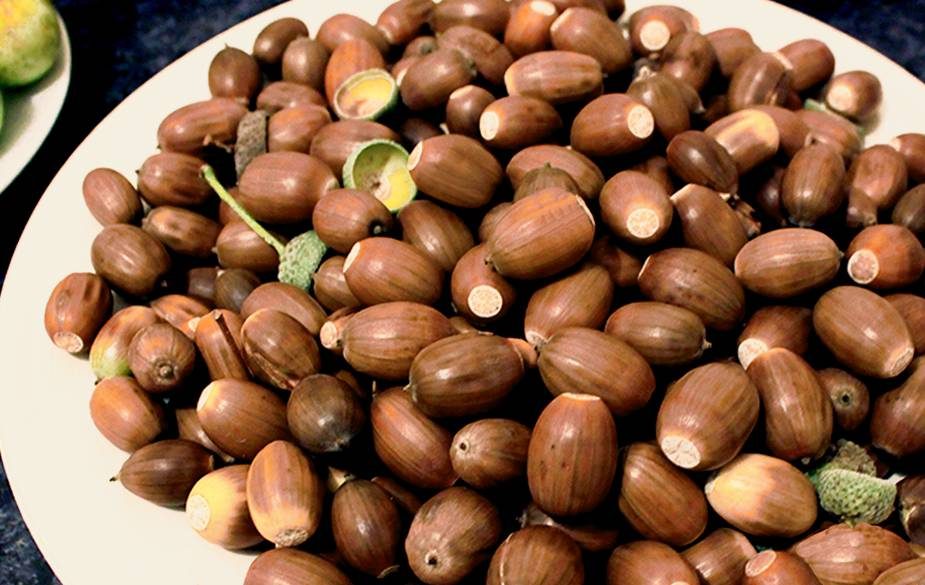
The quercus tree, a centuries-old member of the Quercus genus, is renowned for its prized wood but also for some therapeutic properties inherent to its bark and fruits. The quercus fruit, also known as an acorn, has been a vital source of nutrition for various animal species and humans alike. In this article, we will delve into several curiosities about the fruit of this captivating tree, widely distributed not only in Europe but also in other parts of the world, including America.
Contents
- What is an acorn?
- Using acorns as animal food
- Properties of acorns
- Cooking with acorns
- Acorn coffee
- Preparing acorn coffee
- Harvesting quercus fruit
What is an acorn?
The acorn, also known as a quercus nut, is the fruit of the quercus tree and consists of a dry, cylindrical shell with only part of it covered by a cap. Typically containing one seed, some acorns may contain two seeds. There are various types of quercus trees, and their distinctive morphological characteristics play an important role in determining different species.
Acorns have been widely used for various purposes, including as food sources for animals and humans. In fact, the high nutritional value of acorns has made them a popular choice among outdoor enthusiasts and survivalists. Acorns are rich in carbohydrates, protein, and fiber, making them an excellent source of energy.
Using acorns as animal food
Acorns constitute a significant portion of the diet of many animal species. Many bird species, such as jays (the very name suggests this), doves, and woodpeckers, regularly eat acorns. Picids, like squirrels and chipmunks, also consume them as part of their standard diet. Larger mammals like deer, rabbits, and bears also feed on acorns.
In the past, maials were commonly fed acorns due to their high nutritional value. Although this practice is largely obsolete today, some regions still use acorns to produce high-quality ham products, such as the famous Iberian Pata Negra. Acorns have even been used in animal feed supplements for livestock and poultry.
Properties of acorns
While many people are unaware, besides being consumed by various animals, acorns can also be eaten by humans. They have earned a place among the world’s “superfoods” due to their extraordinary nutritional density. The unique properties of acorns owe their benefits to their high fiber and protein content, as well as their presence of carbohydrates, minerals, and B vitamins.
Acorns contain powerful antioxidants that counteract free radicals, which are key contributors to premature cell aging. Acorns also aid digestion and may possess a protective function for the heart, thanks to their lack of gluten, making them an excellent option for individuals with celiac disease or gluten intolerance.
Moreover, acorns have been shown to have anti-inflammatory properties, which can help alleviate symptoms of various diseases, such as arthritis and other inflammatory conditions. The high content of polyphenols in acorns has also been linked to improved cardiovascular health, including reduced blood pressure and cholesterol levels.
Cooking with acorns
How can you incorporate acorns into your cooking? One common use is in baking using a special flour made from them. This practice has its roots in traditional cuisine, particularly among poor communities. Acorn flour has been used for centuries to make various baked goods, such as bread, cakes, and pastries.
Obtaining acorn flour today may be challenging due to limited production by only a few agricultural companies. Fortunately, it’s possible to make your own at home by filtering out the tannin present in the acorns through boiling and changing the water until it becomes colorless and clear.
To make acorn flour, start by:
- Squeezing mature treated acorns;
- Cutting or dividing the seeds (also known as gherbils);
- Setting them aside in a casserole and baking at low temperatures so that they dry slowly;
- Grinding them into a fine powder after drying completely.
The ground powder can be mixed with regular flour to create a substitute for wheat flour. You can also use acorn flour to make pancakes, waffles, and other breakfast dishes.
Acorn coffee
Another widely used product made from quercus fruit is acorn coffee. Before preparing this unique coffee, you must treat the acorns properly to eliminate their tannins.
To make acorn coffee, start by:
- Squeezing mature treated acorns;
- Cutting or dividing the seeds (also known as gherbils);
- Setting them aside in a casserole and baking at low temperatures so that they dry slowly;
- Grinding them into a fine powder after drying completely.
To prepare this unique coffee, simply heat 150 milliliters of water in a pot and boil. Add the acorn flour mixture to the boiling water and let it simmer for two minutes before turning off the stove. Allow it to rest with its lid on for five minutes. Finally, strain the coffee through a mesh sieve.
After adding sugar or sweetener to taste, your homemade acorn coffee is ready to be enjoyed.
Preparing acorn coffee
To prepare this unique coffee, you’ll need:
- 1/2 cup of ground acorns
- 150 milliliters of water
- A medium-sized saucepan
Instructions:
- Heat the water in a saucepan and bring it to a boil.
- Add the ground acorns to the boiling water and stir well.
- Simmer for two minutes, then turn off the stove and let it rest with its lid on for five minutes.
- Strain the coffee through a mesh sieve into a separate container.
- Add sugar or sweetener to taste, if desired.
Harvesting quercus fruit
In temperate climates like our own, acorns mature in autumn between October and December. However, they ripen slightly later depending on the specific species of oak tree.
To collect them safely, you can knock down the trees using a tool or simply pick them up from the ground. Always choose healthy acorns to avoid any potential toxins.
A pound of fresh acorns yields approximately half a pound of flour when processed for baking and making coffee.
Before harvesting, it’s wise to taste each tree’s fruit to select those with milder flavor profiles. It’s also essential to ensure that the trees are not infected with diseases or pests that may affect the quality of the acorns.
In conclusion, the quercus fruit, also known as an acorn, is a versatile and nutritious food source that has been used for centuries by various animal species and humans alike. Its high nutritional density and potential health benefits make it an excellent addition to a balanced diet. Whether you choose to bake with acorns, make coffee from them, or simply enjoy them as a snack, the quercus fruit is sure to be a valuable resource in your culinary adventures.
Common Acorn Types
There are over 600 species of oak trees worldwide, and each type has its unique characteristics, flavors, and nutritional profiles. Some of the most common acorn types include:
- White Oak (Quercus alba): Known for their mild flavor and high protein content.
- Red Oak (Quercus rubra): Rich in antioxidants and polyphenols, making them an excellent choice for baking and cooking.
- English Oak (Quercus robur): Has a sweeter and milder flavor than other oak species.
When selecting acorns, choose those with smooth, glossy shells and no signs of damage or decay. Avoid using acorns that are rotten, moldy, or show any visible pests or diseases.
Tips for Foraging Acorns
Acorns can be found in abundance in many forests around the world, but proper identification is crucial to ensure their safety and quality. Here are some tips for foraging acorns:
- Research local regulations regarding wild food gathering.
- Choose healthy trees with no signs of disease or pests.
- Identify oak species correctly using field guides or expert advice.
- Only harvest acorns that fall naturally from the tree, as hand-picked ones may be contaminated with pesticides or other pollutants.
In summary, the quercus fruit, also known as an acorn, is a valuable resource for both animals and humans. Its unique properties and potential health benefits make it an excellent addition to a balanced diet. Whether you choose to bake with acorns, make coffee from them, or simply enjoy them as a snack, the quercus fruit is sure to be a valuable resource in your culinary adventures.
Additional Resources
If you’re interested in learning more about foraging for wild foods or cooking with acorns, here are some additional resources:
- The Forager’s Harvest by Samuel Thayer
- Wild Food Medicine by David Hoffmann
- Acorn Flour: A Guide to Making Your Own
Remember to always follow proper food safety guidelines and regulations when harvesting and preparing wild foods. Happy foraging!


