
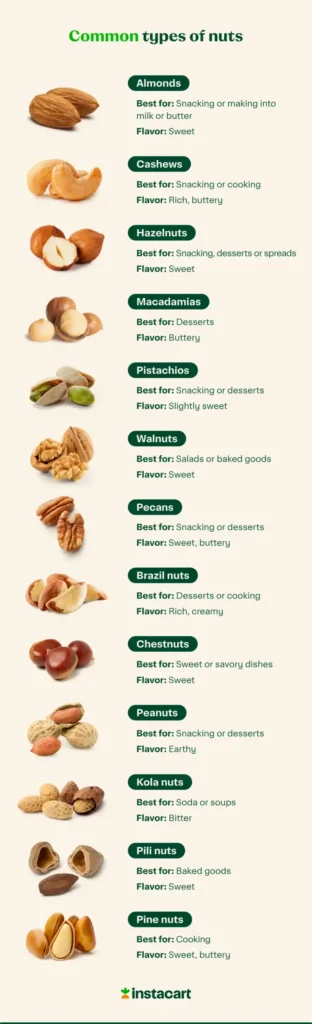
As one of the oldest living plant species on Earth, nut trees (Juglans regia) have been a vital source of food and nutrition for humans and animals alike. Despite its widespread cultivation across the globe, the exact origin of nut trees remains shrouded in mystery. However, it is widely believed that they originated from China before spreading to India, Iran, Greece, and eventually Europe.
The Role of Wind Pollination
One of the unique characteristics of nut trees is their reliance on wind pollination rather than insects. This has led to a wide range of nut varieties, each with its distinct features and uses. For those interested in cultivating nuts, there are numerous options available, making it easier than ever to choose the perfect variety for your needs.
Exploring Nut Varieties
In this article, we will delve into the world of nut varieties, exploring some of the most popular and widely cultivated types. From the traditional Italian Noci Sorrento to the French Noci Lara, each variety has its unique characteristics, uses, and growing requirements.
1. Noci Sorrento
The Noci Sorrento is one of Italy’s most traditional nut varieties, primarily grown in the Campania region (hence its name). It boasts a good yield and consistency, making it an excellent choice for those looking to establish a nut tree crop in the Mediterranean climate. The fruit is oval-shaped, with a brownish-marron skin and a tender, crunchy kernel.
Growing Requirements
- Climate: Warm and sunny
- Soil: Well-draining soil with good fertility
- Harvest Season: Late September
2. Noci Lara
Originating from France, the Noci Lara is known for its late flowering period and ability to thrive in cooler climates. This makes it an ideal choice for cultivation in regions like the Center North and mountainous areas of Southern Italy. The fruit is more rounded than the Sorrento variety, with a rougher skin and easier kernel.
3. Noci Fraquette
This French nut variety boasts a semi-erect growth habit and medium vigor. It shares similar characteristics to the Lara variety in terms of late flowering and autumn harvesting. Cultivation in cooler regions like Northern Italy is recommended for optimal performance.
Growing Requirements
- Climate: Cool and temperate
- Soil: Well-drained soil with moderate fertility
- Harvest Season: Early October
Other Nut Varieties
Beyond the Sorrento, Lara, and Fraquette varieties, there are numerous other nut types worth exploring. Italian local varieties like Malizia and Cervinara in Campania offer great potential for cultivation in the southern regions of Italy. The Bleggiana clone in Trentino provides another option for those interested in cultivating nuts in mountainous areas.
Similarly, French varieties such as Porisienne, Mayette, Corne, Mabot, and Italian varieties like Hartley, Chandler, Payene, Serr, Theama, Howard, and Eureka are all worth considering. These include the popular California nut types.
Cultivating Multiple Nut Varieties
While it’s possible to cultivate multiple varieties of nuts together, consider factors like climate tolerance and pest resistance when selecting different species for co-cultivation. Some examples of compatible combinations include:
- Noci Sorrento and Hartley: Both Mediterranean-native varieties can thrive in warm climates with good drainage.
- Noci Lara and Porisienne: These French varieties have similar growth habits and requirements, making them suitable for cultivation together.
However, it’s essential to note that some nut varieties may not be compatible due to differences in flowering periods, pollination requirements, or disease susceptibility. Research the specific needs of each variety before deciding on a co-cultivation strategy.
Pollination Requirements
Wind pollination is unique to nut trees, making them an attractive option for gardeners and farmers alike. To ensure optimal pollination, provide your tree with:
- Good air circulation: Avoid overcrowding your tree, as this can lead to reduced pollination.
- Proximity to other trees: Planting multiple trees within a short distance (around 20-30 feet) can enhance pollination.
Nut Tree Types
The diversity of nut varieties is vast and exciting. Here are some popular types:
- English Walnut (Juglans regia): A classic variety with a long history, known for its large, edible nuts.
- Chinese Chestnut (Castanea mollissima): Native to China, this tree produces sweet chestnuts in the fall.
- American Hazelnut (Corylus americana): Also known as American filberts, these trees produce delicious hazelnuts.
- Pecan Nut (Carya illinoensis): A native North American species with a high demand for its rich, buttery nuts.
Harvesting and Storage
Timing is crucial when harvesting your nut tree crop. Here are some general guidelines:
- Regular harvesting: Regularly pick your nuts to ensure the tree’s health and productivity.
- Storage techniques: Store your harvested nuts in a cool, dry place with good ventilation to maintain freshness and quality.
Conclusion
The world of nuts is rich and diverse, offering something for every climate, soil type, and preference. Whether you’re looking to establish a small backyard orchard or scale up your operations, understanding the unique characteristics and growing requirements of different nut varieties can make all the difference. By exploring these options and making informed decisions, we can ensure that our relationship with nuts continues to flourish.
Frequently Asked Questions
- What are the best nut trees for a warm climate?
- Noci Sorrento, Hartley, and Chandler varieties are well-suited for warm climates due to their high tolerance of heat and humidity.
- Can I grow nuts in areas with poor soil quality?
- While some nut trees can tolerate poor soil, it’s generally recommended to cultivate them in areas with good fertility and drainage for optimal growth.
- How often should I harvest my nut tree?
- Regular harvesting can ensure the health and productivity of your tree, but be mindful not to over-harvest, as this can lead to tree stress.
- Can I plant multiple types of nuts in one orchard?
- While it’s possible to cultivate multiple varieties of nuts together, consider factors like climate tolerance and pest resistance when selecting different species for co-cultivation.
- How long do nut trees typically live?
- With proper care, a well-established nut tree can live for hundreds of years.
- Can I use any type of soil in my nut orchard?
- Nut trees generally prefer well-draining soils with moderate fertility to perform optimally.
Pest and Disease Management
Regular monitoring is essential to prevent infestations and infections that can affect your nut tree’s health. Keep an eye out for common pests like:
- Aphids: Small, soft-bodied insects that feed on plant sap.
- Spider mites: Tiny, spider-like creatures that damage leaves and flowers.
- Bacterial leaf spot: A fungal disease causing small, circular spots on the leaves.
To manage these pests and diseases, consider using integrated pest management techniques like:
- Organic pesticides: Natural substances derived from plants or bacteria to control pests.
- Fungicides: Chemicals that prevent or treat fungal infections.
Allergies and Safety Precautions
While most nut varieties are edible and safe for consumption, some may contain allergenic substances or have specific growing requirements that affect their quality. Be sure to:
- Research the variety: Before consuming a new nut type, research its potential allergy risks and growth habits.
- Handle nuts safely: Wash your hands thoroughly after handling nuts, especially if you’re allergic.
Conclusion
By understanding the unique characteristics of different nut varieties and taking steps to manage pests, diseases, and allergies, we can enjoy the benefits of these nutritious and delicious foods. Whether you’re a seasoned gardener or just starting out, exploring the world of nuts is sure to delight and inspire.


