
As a traditional Italian product, almond milk has been a staple in the country’s cuisine for centuries. Native to Sicily, this dairy-free beverage is widely popular in Calabria, Puglia, and other parts of southern Italy.
Understanding the Composition of Almond Milk
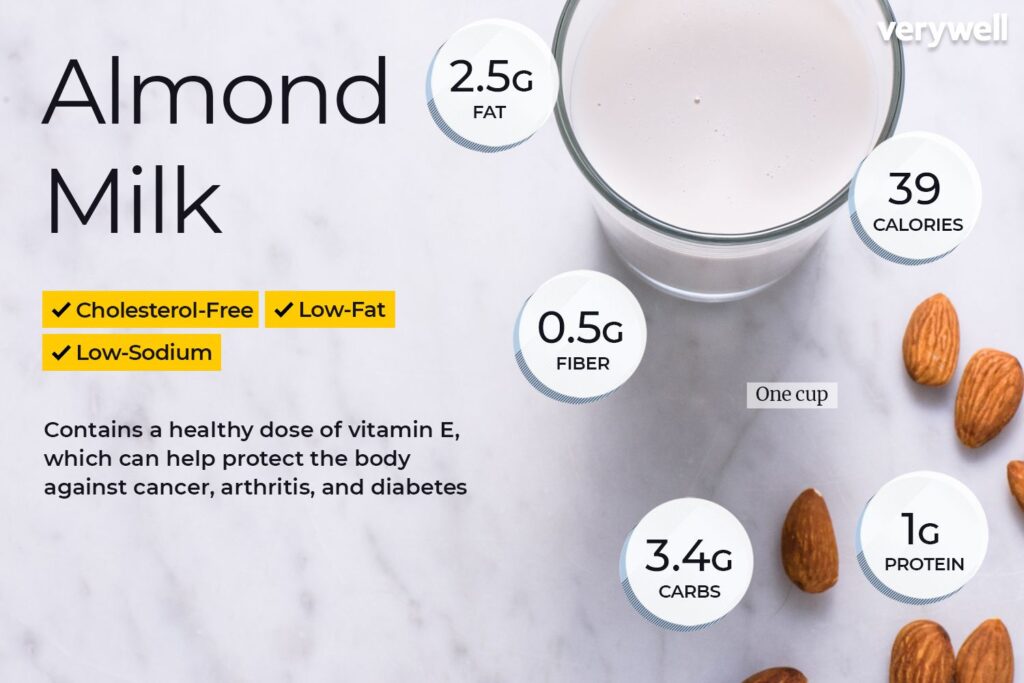
When it comes to the composition of almond milk, there are some key factors to consider. According to recent studies, a 100ml serving of almond milk contains:
- Calories: 51 kcal
- Protein: 1g
- Carbohydrates: 6.6g
- Fat: 2.3g
Of this fat content, approximately 0.6g is saturated, while 1.3g is monoinsaturated and 0.4g is polyunsaturated.
Nutritional Benefits of Almond Milk
Almond milk has been found to have numerous health benefits due to its high content of unsaturated fats, particularly oleic acid. This makes it an excellent choice for those looking to reduce their cholesterol levels. Additionally, almond milk is rich in vitamins A and E, as well as calcium, potassium, and iron.
However, it’s essential to note that commercial almond milk products often contain added sugars, emulsifiers, and artificial flavorings. To reap the most benefits from almond milk, choose a product that is unflavored and unsweetened.
Where to Buy Almond Milk
If you’re looking for pure, unadulterated almond milk, it can be challenging to find in stores. However, there are several options available:
- Online Retailers: Websites like Amazon offer a range of almond milk products that are free from additives and preservatives.
- Local Farmers’ Markets: Visit local farmers’ markets or specialty food stores to find artisanal almond milk producers who sell their products directly.
Almond Milk Condorelli
One popular brand of almond milk is Condorelli, which claims to be “Classico.” However, this product contains added sugar and emulsifiers. When choosing an almond milk, make sure to read the ingredient label carefully to avoid any unwanted additives.
Using Almond Milk in Cooking
Almond milk can be used in a variety of recipes, from baked goods to smoothies. It’s also an excellent base for soups and sauces. In traditional Italian cuisine, almond milk is often used in desserts like cakes, pastries, and ice cream.
Here’s a simple recipe for Almond Milk Quiche:
Ingredients:
- 200g farina
- 90g burro
- 2 uova
- 400g petto di pollo
- 4 cipollotti rossi di Tropea
- 500ml latte di mandorle al naturale (non zuccherato)
- olio extravergine d’oliva
- sale e pepe
- 1/2 bicchiere di vino bianco
- 30g farina di riso
Instructions:
- Preheat the oven to 180°C.
- In a mixer, combine the flour and burro until crumbly.
- Add an egg and water, then mix until smooth.
- Roll out the dough and fill with chicken, onions, and almonds.
- Bake for 40 minutes.
Storing Almond Milk
To keep your homemade almond milk fresh, store it in the refrigerator at a maximum of 5 days and shake well before use. It’s also essential to use clean containers and utensils when preparing and storing almond milk to avoid contamination.
Tips for Making Almond Milk at Home
Making almond milk at home is a simple process that requires just a few basic ingredients:
- 1 cup of almonds
- 2 cups of water
- A blender or food processor
- A fine-mesh strainer
- Optional: sweetener, flavorings, or thickeners
Here’s a step-by-step guide to making almond milk at home:
- Rinse the almonds and soak them in water for at least 8 hours.
- Drain and rinse the almonds again, then add them to a blender with 2 cups of fresh water.
- Blend the mixture on high speed for about 1-2 minutes, or until the almonds are fully broken down and the mixture is smooth.
- Strain the mixture through a fine-mesh strainer into a large bowl.
- Squeeze the almond pulp to extract as much milk as possible from the solids.
- Discard the solids and transfer the milk to a clean container.
- Store the almond milk in the refrigerator at a maximum of 5 days.
Frequently Asked Questions (FAQs)
- Can I drink warm almond milk?
No, it’s not recommended to consume warm almond milk as the heat can damage its nutrients. - Is almond milk suitable for vegans?
Yes, almond milk is an excellent option for those who follow a vegan diet. - How long does almond milk last in the fridge?
Almond milk should be consumed within 5 days of preparation to ensure optimal freshness and nutrition. - Can I use almond milk as a substitute for cow’s milk?
Yes, almond milk can be used as a dairy-free alternative in many recipes, but it may not provide the same nutritional profile as cow’s milk. - Is almond milk suitable for those with high cholesterol levels?
Yes, almond milk is an excellent choice for those looking to reduce their cholesterol levels due to its high content of unsaturated fats.
Conclusion
Almond milk is a nutritious and versatile beverage that can be used in a variety of recipes. By making it at home, you can control the ingredients and avoid added sugars, emulsifiers, and artificial flavorings found in commercial products. With its numerous health benefits and versatility, almond milk is an excellent addition to any diet.
Additional Tips for Making Almond Milk
- Use fresh almonds for the best flavor and nutritional profile.
- Soak the almonds for at least 8 hours to help extract their nutrients.
- Strain the mixture through a fine-mesh strainer to remove any solids or sediment.
- Store the almond milk in the refrigerator at a maximum of 5 days to ensure optimal freshness.
- Experiment with different flavorings and sweeteners, such as vanilla, cinnamon, or honey.
By following these guidelines and incorporating almond milk into your diet, you can reap the many benefits this nutritious beverage has to offer.


