
As stated by the Ministry of Education, Universities and Research (MIUR), “the school, thanks to its presence in the territory, intercultural richness, dialogue and daily observation with children, proposes itself as an institution that can sustain effective nutrition education before any other.” We will explore what it means for nutrition education, how to teach nutrition education in schools, how to become a nutrition educator, and why it’s essential to educate children about nutrition.
Content
- What is Nutrition Education
- How to Teach Nutrition Education in Schools
- How to Become a Nutrition Educator
- Why Educate Children About Nutrition
- Explaining the Food Pyramid to Children
What is Nutrition Education?
Nutrition education is the development of conscious knowledge related to our food choices, the act of eating that we perform every day, and what we know about healthy nutrition. Unlike what we thought, it’s not just about knowing which foods are good for us; it’s also about understanding why they’re essential for maintaining a balanced diet and overall well-being.
Historically, families weren’t needed to be educated on the best way to eat since access to food was limited, and dietary choices were primarily driven by necessity rather than personal preference. However, times have changed, and now our access to food is virtually unlimited, making us more dependent on our food choices for health, well-being, and sustainability.
The industry wants us to become large consumers, which often leads us to make uninformed decisions about what we eat, ignoring questions about the origin, quality, and ethics of the food we consume (where it comes from, how was it produced, etc.). This lack of awareness can lead us down a path that affects not only ourselves but also our planet.
How to Teach Nutrition Education in Schools
Teaching nutrition education in schools is crucial for promoting healthy eating habits among children. It’s essential to know that simply telling children which foods are good and which aren’t isn’t enough. We need to engage them in an experience-based learning process, focusing on how food affects our bodies and the world around us.
Schools should not only teach what nutritious foods to eat but also demonstrate their value. Children must understand that eating well is a form of care, commitment, and responsibility towards themselves, others, and the planet.
Here are some ways to do this:
- Create hands-on experiences in the classroom, such as preparing meals or snacks together. This will help children develop practical skills and make nutrition education more enjoyable.
- Encourage children to share their own food experiences and traditions with the class. This will allow them to connect with their peers and learn about different cultures.
- Involve local farmers or chefs in guest lectures to introduce children to sustainable food systems. This can help children understand the importance of supporting local agriculture and reducing carbon footprint.
- Make use of storytelling and anecdotes to convey the importance of nutrition. Share real-life examples of how nutrition affects people’s lives, such as stories about overcoming health issues or experiencing food-related cultural traditions.
How to Become a Nutrition Educator
Becoming a nutrition educator requires a combination of education, training, and experience. While a professional background in nutrition is beneficial, it’s not always necessary. What matters most is your ability to communicate complex information in an engaging and accessible way.
Consider the following options:
- Medical or Healthcare Professionals: Specialize in food science, nutrition, or dietetics. These professionals have a deep understanding of the human body and its nutritional needs.
- Teachers and Educators: Use your teaching skills to incorporate nutrition education into existing curricula. You can also create new programs or work with schools to develop their own nutrition education initiatives.
- Community Outreach Workers: Work with local organizations to promote healthy eating habits among underserved populations. This role requires building relationships with communities, listening to their concerns, and providing tailored support.
Why Educate Children About Nutrition?
Education is key when it comes to promoting healthy eating habits in children. By educating them about nutrition, we’re giving them the tools they need to make informed decisions about their health and well-being.
Moreover, teaching children about nutrition helps:
- Promote Sustainable Eating Habits: Reduces food waste, supports local farmers, and encourages environmentally friendly consumption practices.
- Enhance Mental Health: Fosters a positive relationship with food, reducing the risk of eating disorders and other mental health issues.
- Support Healthy Growth and Development: Ensures children receive essential nutrients for optimal growth and development.
Explaining the Food Pyramid to Children
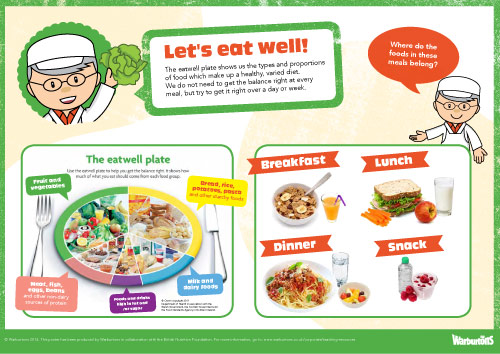
The food pyramid is an excellent visual tool for teaching nutrition education. It helps children understand which foods are most beneficial for their bodies and encourages them to make healthier choices.
Here’s how to explain it to your students:
- Start with the Basics: Introduce the concept of a balanced diet and the importance of eating a variety of foods.
- Show Them the Pyramid: Use a diagram or model of the food pyramid, highlighting the different sections and their corresponding nutritional values.
- Focus on Quality Over Quantity: Emphasize that portion sizes are crucial and encourage children to eat smaller portions of each food group.
- Make it Interactive: Create games, quizzes, or activities that help children understand the different components of the food pyramid.
By teaching nutrition education in schools and empowering children with knowledge, we can create a healthier future for ourselves and our planet.


