
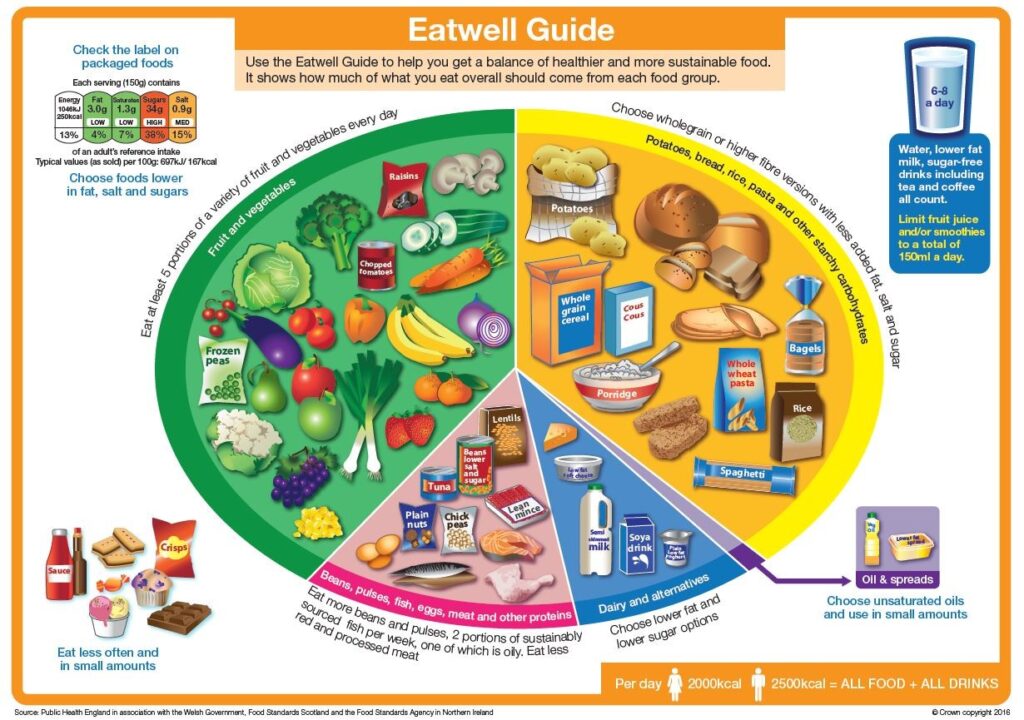
As a pregnant woman, it’s essential to prioritize your diet and ensure you’re consuming the necessary nutrients for a healthy pregnancy. While there’s no one-size-fits-all approach to eating during pregnancy, making conscious food choices can help support fetal development and overall well-being.
Understanding the Importance of a Balanced Diet
A balanced diet is crucial during pregnancy as it provides essential nutrients, vitamins, and minerals that benefit both you and your growing baby. A healthy diet can also help alleviate symptoms like morning sickness, fatigue, and mood swings. During pregnancy, your body undergoes significant changes to support fetal growth and development, and a well-balanced diet plays a vital role in this process.
What’s in a Pregnancy-Friendly Diet?
While there isn’t a specific “pregnancy diet,” a balanced meal plan should include:
- Whole foods: Focus on whole, unprocessed foods like fruits, vegetables, whole grains, lean proteins, and healthy fats.
- Variety is key: Aim for a diverse diet that includes a wide range of colors to ensure you’re getting all the necessary nutrients.
- Hydration: Drink plenty of water throughout the day to stay hydrated and support fetal development.
Foods to Emphasize
Some essential foods to include in your pregnancy-friendly diet are:
- Fruits: Aim for at least 5 servings a day, focusing on seasonal and locally sourced options. Berries, citrus fruits, and apples are all great choices.
- Vegetables: Include a variety of colorful veggies like leafy greens, bell peppers, carrots, and sweet potatoes. These vegetables provide essential vitamins and minerals that support fetal growth and development.
- Lean proteins: Choose lean protein sources like poultry, fish (avoid high-mercury types), beans, lentils, and dairy products. These foods are rich in essential nutrients like iron, zinc, and calcium.
Foods to Limit or Avoid
Some foods to limit or avoid during pregnancy include:
- High-sugar snacks: Opt for healthier alternatives like fruit, nuts, or energy balls.
- Processed meats: Limit or avoid processed meats like hot dogs, sausages, and deli meats due to potential Listeria risks. Choose fresh meat instead, and cook it thoroughly before consumption.
- Raw eggs and unpasteurized dairy: Avoid raw or undercooked eggs and unpasteurized dairy products to minimize the risk of foodborne illnesses.
Healthy Snacking Options
When it comes to snacking, prioritize nutrient-dense options like:
- Fresh fruit
- Nuts and seeds
- Yogurt (choose low-sugar options)
- Energy balls made with oats, nuts, and dried fruits
Tips for Preparing Meals Safely
To ensure food safety during pregnancy, follow these tips:
- Wash hands frequently and thoroughly.
- Clean and sanitize all utensils, cutting boards, and countertops after handling raw meat, poultry, or seafood.
- Cook foods to the recommended internal temperature (145°F for poultry, 165°F for fish) to prevent foodborne illnesses.
Additional Pregnancy-Friendly Foods
In addition to whole foods, lean proteins, and healthy snacks, consider incorporating these pregnancy-friendly foods into your diet:
- Folic acid-rich foods: Leafy greens like spinach, beans, lentils, and fortified cereals are all rich in folic acid.
- Omega-3 fatty acids: Include sources of omega-3s like salmon, sardines, and walnuts to support fetal brain development.
- Calcium-rich foods: Choose dairy products, leafy greens, and fortified plant-based milk to meet your calcium needs.
Pregnancy-Friendly Meal Ideas
Here are some delicious and nutritious meal ideas that you can enjoy during pregnancy:
- Breakfast: Overnight oats with fruit and nuts, whole-grain toast with avocado and eggs, or Greek yogurt with berries and granola.
- Lunch: Grilled chicken salad with mixed greens, veggies, and a citrus vinaigrette dressing, whole-grain wraps with lean turkey and veggies, or lentil soup with a side of whole-grain crackers.
- Dinner: Baked salmon with roasted vegetables, quinoa and black bean bowl with avocado salsa, or stir-fry with lean beef, mixed veggies, and brown rice.
Conclusion
A well-balanced diet is essential during pregnancy. By prioritizing whole foods, variety, and hydration, you can support fetal development and overall health. Be mindful of potential allergens and contaminants, and follow safe food handling practices to minimize the risk of foodborne illnesses.
By incorporating these tips and guidelines into your daily routine, you can enjoy a healthy and balanced diet during pregnancy, supporting both your own well-being and that of your growing baby.


