
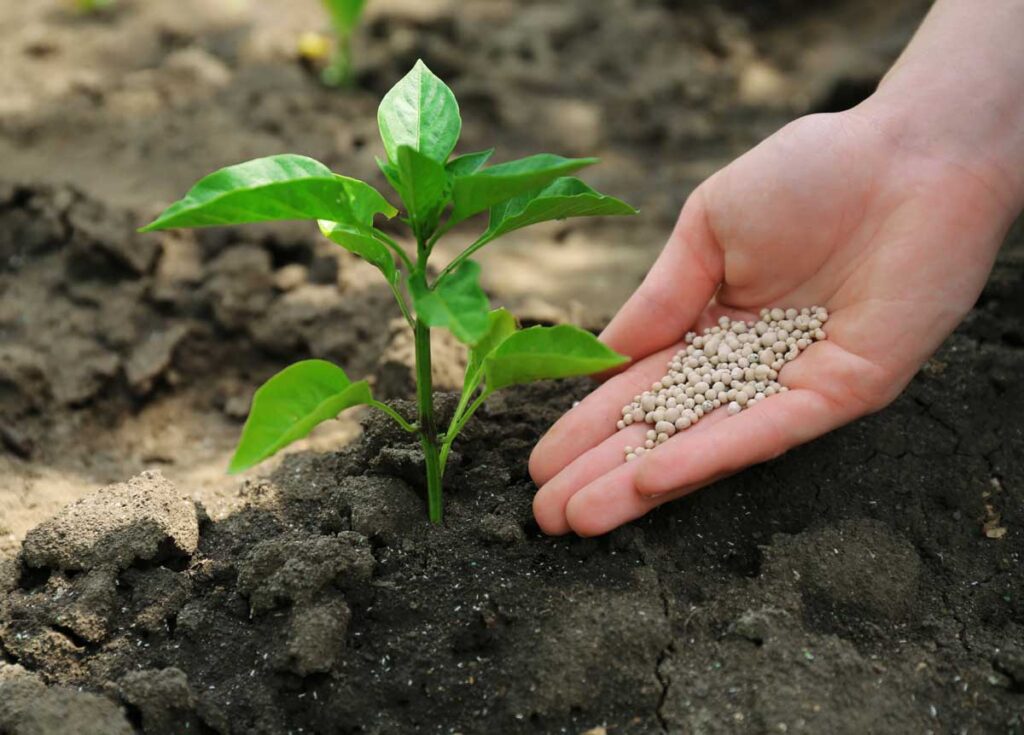
As autotrophic organisms, plants are able to synthesize the molecules necessary for their metabolic processes using inorganic substances, including essential elements. These nutrients are crucial for plant growth and development, and deficiencies can lead to detrimental effects on the plant’s health.
How Plants Absorb Nutrients
Plants absorb nutrients and water from the soil through a complex process involving the roots, xylem, and stomata. The xylem is a network of narrow tubes that transport water and minerals from the roots to the leaves, while the stomata regulate gas exchange and water loss.
The question remains: how does water rise up from the roots to the leaves without the aid of suckers? The answer lies in the xylem’s ability to maintain a positive pressure, thanks to the evaporative pull of water from the stomata. Additionally, minerals such as potassium, sodium, selenium, and silicon are absorbed along with water, playing vital roles in plant metabolism.
Macronutrients for Plants
The term “macro” refers to macronutrients, which are essential for plant growth in large quantities. These include:
- Hydrogen: The lightest and most abundant element in the universe.
- Carbon: The basis of all life on Earth.
- Oxygen: Essential for photosynthesis and energy production.
- Nitrogen: A critical component of amino acids, nucleotides, and other biomolecules.
- Potassium: Regulates water balance, nutrient uptake, and stomatal function.
- Calcium: Crucial for cell wall development, root growth, and nutrient uptake.
- Magnesium: Involved in photosynthesis, DNA synthesis, and cell division.
- Phosphorus: Essential for energy production, membrane function, and bone health.
- Sulfur: Participates in protein synthesis, amino acid metabolism, and plant defense.
- Silicon: Plays a vital role in plant structure, photosynthesis, and resistance to disease.
Micronutrients for Plants
The term “micro” refers to micronutrients, which are essential for plant growth but required in smaller quantities. These include:
- Chlorine: Involved in photosynthesis, energy production, and cellular processes.
- Boron: Essential for cell wall development, hormone regulation, and nutrient uptake.
- Iron: Participates in photosynthesis, respiration, and nitrogen fixation.
- Manganese: Involved in photosynthesis, plant growth regulation, and enzyme function.
- Sodium: Regulates water balance, ion transport, and stomatal function.
- Zinc: Essential for enzyme function, protein synthesis, and plant defense.
- Copper: Participates in enzyme function, energy production, and plant defense.
- Nickel: Involved in photosynthesis, nitrogen fixation, and plant growth regulation.
- Molybdenum: Essential for nitrogen fixation, sulfite reduction, and enzyme function.
Functions of Nutrients
Each nutrient plays a unique role in maintaining the health and productivity of plants. Some examples include:
- Potassium: Regulates water balance, nutrient uptake, and stomatal function.
- Fosforo: Essential for energy production, membrane function, and bone health.
- Azoto: Participates in nitrogen fixation, amino acid metabolism, and plant growth regulation.
Carenze Nutrizionali nelle Piante
Deficiencies in essential nutrients can lead to detrimental effects on plant growth and development. These deficiencies can manifest as:
- Yellowing or browning of leaves
- Reduced growth rates
- Decreased fruit production
Concimi Specifici
Using specific fertilizers can help address micronutrient deficiencies and provide plants with the necessary nutrients for optimal growth and productivity.
FAQs
Q: Why are some elements, like silicon and sodium, considered beneficial only for certain plant species?
A: While these elements play critical roles in various plant processes, their importance varies across different plant species. For example, silicon is essential for plant structure and photosynthesis in wheat, but its role is less significant in other crops.
Q: What are the primary symptoms of a potassium deficiency in plants?
A: A potassium deficiency can manifest as yellowing or bronzing of leaves, particularly on older leaves. Younger leaves may remain green or develop a bronze-like tint.
Q: How do plants regulate their internal pH and maintain osmotic balance?
A: Plants use various mechanisms to regulate their internal pH and maintain osmotic balance, including the regulation of ion transport through stomata and root uptake of nutrients.
Q: What are some common symptoms of iron deficiency in plants?
A: Iron deficiency can manifest as interveinal chlorosis (yellowing between veins) or marginal chlorosis (yellowing along the edges of leaves). In severe cases, plants may develop a reddish-brown color due to the accumulation of anthocyanins.
Q: Can deficiencies in micronutrients like boron and manganese lead to reduced plant growth?
A: Yes, deficiencies in boron and manganese can significantly impact plant growth and development. Boron deficiency is often associated with stunted growth, reduced flower production, and impaired seed set, while manganese deficiency can cause leaf yellowing, stunted growth, and reduced yields.
Q: What role do micronutrients like copper and zinc play in plant defense mechanisms?
A: Micronutrients like copper and zinc are essential for plant defense mechanisms against pathogens and pests. Copper plays a critical role in the production of phytoalexins, while zinc is involved in the regulation of gene expression related to plant defense.
Q: How can farmers optimize crop yields by adjusting fertilizer application rates?
A: Farmers can optimize crop yields by adjusting fertilizer application rates based on factors such as soil type, pH, nutrient content, and climate. This may involve incorporating additional nutrients or using more efficient delivery systems like precision agriculture techniques.
Q: What are some common misconceptions about micronutrient deficiencies in plants?
A: Some common misconceptions about micronutrient deficiencies include underestimating the severity of symptoms, overlooking secondary symptoms, and failing to identify potential causes. It’s essential for farmers to regularly monitor their crops for signs of deficiency and adjust fertilizer application rates accordingly.
Q: How can plant breeders improve crop yields by introducing new nutrient-efficient traits?
A: Plant breeders can improve crop yields by introducing new nutrient-efficient traits that allow plants to thrive with reduced fertilizer inputs. This may involve breeding for increased tolerance to nutrient deficiencies, improved nutrient uptake, or enhanced utilization of available nutrients.
Q: What are some potential environmental impacts of large-scale fertilizer applications?
A: Large-scale fertilizer applications can have significant environmental impacts, including water pollution, soil degradation, and loss of biodiversity. To mitigate these effects, farmers and policymakers must prioritize sustainable agriculture practices that minimize environmental harm while maintaining crop yields.


