
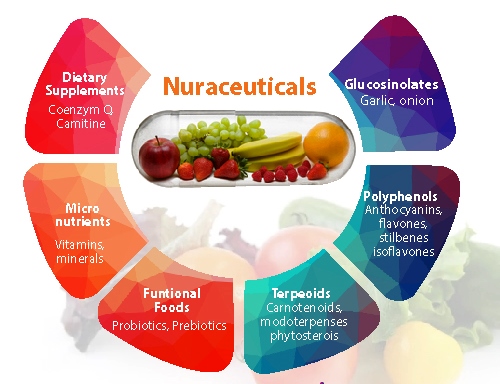
Nutraceuticals, also known as functional foods or pharmaceutical foods, have gained popularity in recent years due to their potential health benefits. But what exactly are nutraceuticals, and how do they differ from regular foods? In this article, we’ll delve into the world of nutraceuticals, exploring their history, types, and applications.
What are Nutraceuticals?
Nutraceuticals are foods that have a functional effect on certain physiological processes and, as a result, contribute to overall human health. They can be found in various forms, including whole foods like fruits, vegetables, and grains, as well as isolated compounds like extracts, oils, and spices.
The term “nutraceutica” was first coined by Dr. Stephen Defelice in 1989, combining the words “nutrition” and “pharmacy.” This marks the beginning of a new era in the study of functional foods, which has led to a growing interest in their potential health benefits.
A Brief History of Nutraceuticals
The concept of using food as medicine dates back thousands of years. Ancient civilizations like Egypt, China, and India used herbal remedies and traditional medicines made from plants to prevent and treat diseases. Similarly, Hippocrates, the “father” of Western medicine, advised people to eat foods that were also their medicine.
In recent decades, the study of nutraceuticals has gained momentum, with research focusing on the bioactive compounds present in foods that can have a positive impact on human health. This has led to the development of new products and treatments that harness the power of functional foods.
Types of Nutraceuticals
Nutraceuticals can be categorized into two main groups: food-based nutraceuticals and isolated compound nutraceuticals.
- Food-based nutraceuticals: These are whole foods that contain bioactive compounds with potential health benefits. Examples include fruits, vegetables, whole grains, legumes, nuts, and seeds.
- Isolated compound nutraceuticals: These are individual extracts or compounds derived from food sources that have been isolated for their potential health benefits.
Examples of Nutraceutical-Rich Foods
Some of the most commonly cited examples of nutraceutical-rich foods include:
- Fruits:
- Uva rossa (resveratrol)
- Frutta in genere (antiossidanti e flavonoidi)
- Vegetables:
- Broccoli (carotenoidi e glucosinolati)
- Spinaci (flavonoidi e carotenoidi)
- Legumes:
- Lenticchie (fenoli e flavonoidi)
- Fagioli (flavonoidi e fenoli)
Benefits of Functional Foods
Functional foods offer a range of benefits, including:
- Improved health: By incorporating functional foods into your diet, you can support optimal health and reduce the risk of chronic diseases.
- Increased energy: Many functional foods are rich in nutrients that help to boost energy levels and support physical performance.
- Enhanced cognitive function: Some functional foods have been shown to improve cognitive function and memory.
Incorporating Functional Foods into Your Diet
To get the most out of functional foods, consider the following tips:
- Start small: Begin by adding a few servings of nutrient-rich foods to your diet each day. Experiment with new recipes and products to find what works best for you.
- Choose whole foods first: Prioritize whole foods over isolated compounds or supplements whenever possible.
- Consult with a healthcare professional: If you have specific health concerns or questions about functional foods, consult with a healthcare professional or registered dietitian.
Examples of Nutraceutical-Based Products
Some popular nutraceutical-based products include:
- Supplements: Vitamins, minerals, and other nutrients that support overall health.
- Probiotics: Live microorganisms that promote gut health and immune function.
- Sports nutrition products: Foods and drinks designed to support athletes and individuals with high energy needs.
Conclusion
Nutraceuticals have the potential to revolutionize the way we approach health and wellness. By harnessing the power of functional foods, we can create products that not only taste great but also promote optimal health. Whether you’re looking to boost your energy levels or support your heart health, there’s a nutraceutical-rich food out there for you.
Frequently Asked Questions
- What are the benefits of consuming functional foods?
- Functional foods can help prevent and treat various diseases, improve cognitive function, and support overall health.
- How do I choose the right functional food for my needs?
- Consider your dietary restrictions, preferences, and lifestyle when selecting a functional food. Consult with a healthcare professional or registered dietitian if needed.
- Can functional foods replace traditional medications?
- Functional foods can be used in conjunction with conventional treatments, but they should not be relied upon as the sole means of treatment.
- How do I incorporate functional foods into my daily routine?
- Start by adding a few servings of nutrient-rich foods to your diet each day. Experiment with new recipes and products to find what works best for you.
- Are functional foods regulated by the FDA?
- While the FDA regulates some aspects of food safety, it does not oversee the efficacy or safety of functional foods in the same way as pharmaceuticals.
By understanding the power of nutraceuticals and how they can benefit our health, we can unlock a world of possibilities for promoting optimal wellness. Whether you’re looking to boost your energy levels or support your heart health, there’s a nutraceutical-rich food out there for you.


