
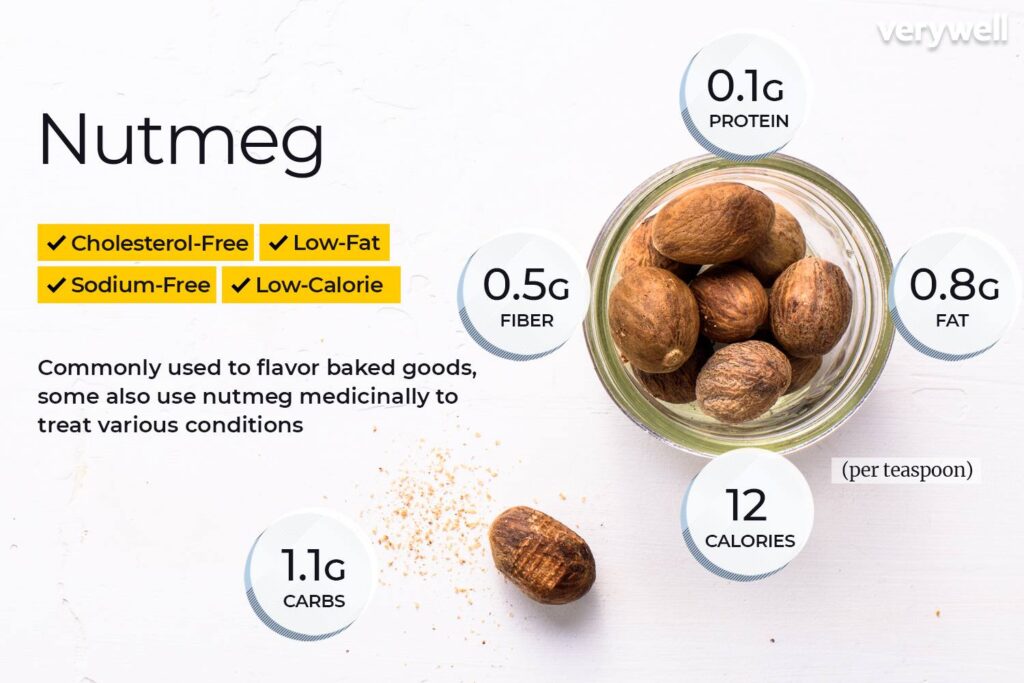
Are you looking for a natural way to boost your mood or alleviate digestive issues? Look no further than the humble spice of nutmeg. But is it safe to use, and what are its actual benefits?
In this article, we’ll delve into the world of nutmeg, exploring its history, properties, effects on mental health, and potential uses.
The Origin of Nutmeg
Nutmeg, also known as Myristica fragrans, is a species of evergreen tree native to the Indonesian islands. The fruit of the tree, which resembles a small, immature orange, contains two seeds: the nutmeat, and the mace, or seed cover.
The mace is often used as a spice, while the nutmeat is the actual seed that we use in cooking. However, it’s essential to note that not all products labeled as “nutmeg” are made from the true nutmeat. Some may contain fillers or other ingredients, so it’s crucial to choose high-quality sources.
The Medicinal Properties of Nutmeg
Nutmeg has been used for centuries as a natural remedy for various ailments, including digestive issues and mental health problems. Its active compounds, such as myristicin and others, have been shown to possess anti-inflammatory and antiseptic properties.
However, it’s essential to use nutmeg in moderation, as excessive consumption can lead to adverse effects. Myristicin, in particular, has been known to cause hallucinations, convulsions, and other psychotic symptoms at high doses.
The Effect of Nutmeg on Mental Health
Nutmeg contains a compound called myristicin, which is believed to have antidepressant properties by inhibiting the monoamine oxidase enzyme. This enzyme is responsible for breaking down neurotransmitters like serotonin and dopamine, which play a crucial role in mood regulation.
While some studies suggest that nutmeg may have therapeutic benefits for depression, it’s essential to note that more research is needed to fully understand its effects on mental health. Additionally, the potential risks of adverse reactions must be considered when using nutmeg as a treatment.
The Toxicity of Nutmeg
While rare, avvelenamenti (poisoning) caused by excessive consumption of myristicin have been reported in some cases. These incidents often involve individuals who also consume other substances, such as benzodiazepines or alcohol, which can interact with the compounds in nutmeg.
In general, it’s recommended to avoid consuming nutmeg during pregnancy and breastfeeding, as its effects on fetal development are not well understood. Additionally, people with a history of mental health issues or substance abuse should exercise caution when using nutmeg.
The Benefits of Nutmeg
When consumed in moderation, nutmeg may offer several benefits:
- Improved digestion: Nutmeg contains compounds that can help alleviate symptoms of indigestion and nausea.
- Anti-inflammatory effects: Myristicin and other active compounds in nutmeg have been shown to possess anti-inflammatory properties.
- Mood support: The potential antidepressant effects of myristicin may contribute to improved mood regulation.
To maximize the benefits of nutmeg, choose high-quality sources, and follow proper dosing guidelines. Consult with a healthcare professional before using nutmeg as a treatment for any medical condition.
Culinary Uses
Nutmeg is a versatile spice that can be used in a variety of dishes, from baked goods to savory meals. It pairs well with sweet spices like cinnamon and ginger, making it an excellent addition to warm beverages like tea or hot chocolate.
Some popular uses for nutmeg include:
- Baking: Nutmeg adds depth and warmth to baked goods like cakes, cookies, and pies.
- Savory dishes: Nutmeg can be used to enhance the flavor of soups, stews, and sauces.
- Beverages: Nutmeg is a common ingredient in hot beverages like tea, coffee, and hot chocolate.
Medicinal Uses
Nutmeg has been used for centuries as a natural remedy for various ailments. Some traditional uses include:
- Digestive issues: Nutmeg can help alleviate symptoms of indigestion, nausea, and bloating.
- Mental health: The potential antidepressant effects of myristicin may contribute to improved mood regulation.
- Skin conditions: Nutmeg has been used topically to treat skin conditions like eczema and acne.
However, it’s essential to consult with a healthcare professional before using nutmeg as a treatment for any medical condition. Proper dosing guidelines and potential interactions with other substances should be carefully considered.
Potential Interactions
Nutmeg can interact with certain substances, including:
- Benzodiazepines: Myristicin in nutmeg may enhance the effects of benzodiazepines, leading to increased sedation or respiratory depression.
- Alcohol: Combining nutmeg with alcohol may increase the risk of adverse reactions, such as hallucinations or convulsions.
- Medications: Nutmeg may interact with certain medications, including blood thinners and diabetes medications.
To minimize potential interactions, consult with a healthcare professional before using nutmeg in combination with other substances.
FAQs
- What is the difference between nutmeg and mace?
- Mace refers to the seed cover or outer shell of the nutmeat, while the nutmeat itself is the actual seed.
- Can I use nutmeg as a substitute for antidepressants?
- No, while nutmeg may have some antidepressant properties, it should not be used as a replacement for prescribed medications without consulting a healthcare professional.
- Is it safe to consume nutmeg during pregnancy or breastfeeding?
- Due to limited knowledge about its effects on fetal development, it’s recommended to avoid consuming nutmeg during these periods.
In conclusion, while nutmeg has been used for centuries as a natural remedy, it’s essential to approach its use with caution and understand the potential risks and benefits. By choosing high-quality sources and following proper dosing guidelines, you can harness the medicinal properties of nutmeg while minimizing adverse effects.


