
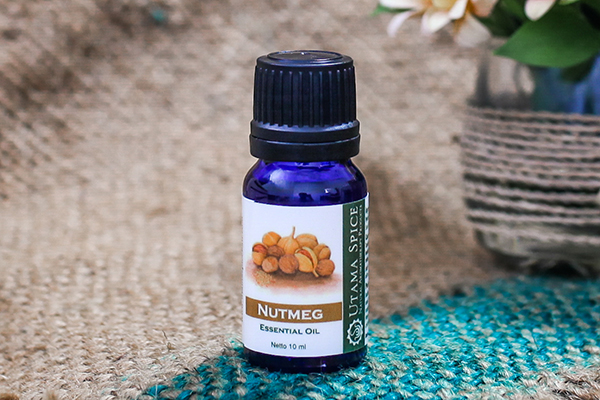
As we delve into the world of natural remedies, one ingredient stands out for its unique blend of benefits and uses – nutmeg oil. Also known as myristica oil, this essential oil is derived from the seeds of the Myristica fragrans tree, native to the Indonesian islands. In this article, we’ll explore the history, properties, and applications of nutmeg oil, as well as its potential risks and contraindications.
What is Nutmeg Oil?
Nutmeg oil is a concentrated liquid extract obtained through steam distillation from the seeds of the Myristica fragrans tree. The oil contains a mixture of compounds, including canfene, d-pinene, limonene, and miristicine, which contribute to its therapeutic properties.
History of Nutmeg Oil
Nutmeg has been used for centuries in traditional medicine, culinary, and spiritual practices. Its seeds have been highly valued for their unique flavor, aroma, and medicinal properties. In the 18th century, nutmeg oil became a popular ingredient in perfumes and cosmetics due to its fragrance and preservative qualities.
Properties and Benefits of Nutmeg Oil
Nutmeg oil has several distinct properties that make it an attractive ingredient in various applications:
- Antiseptic and antibacterial: The oil’s high concentration of canfene makes it effective against microorganisms, making it suitable for wound care and skin issues.
- Anti-inflammatory: D-pinene and limonene present in the oil exhibit anti-inflammatory properties, which can help alleviate pain and reduce swelling.
- Antioxidant: Miristicine, a compound found in nutmeg oil, has been shown to possess antioxidant properties, protecting against cell damage and oxidative stress.
Applications of Nutmeg Oil
Nutmeg oil’s versatility extends beyond its traditional uses:
- Cosmetics: As an ingredient in skincare products, nutmeg oil can help reduce inflammation and improve skin health.
- Perfumery: The oil’s distinct aroma makes it a popular choice for perfumes, fragrances, and aromatherapy blends.
- Food industry: Nutmeg oil is used as a flavoring agent and preservative in some food products.
Precautions and Contraindications
While nutmeg oil offers numerous benefits, it also comes with potential risks:
- Miristicine toxicity: The seeds of the Myristica fragrans tree contain miristicine, which can be toxic if ingested or used undiluted.
- Allergic reactions: Some individuals may experience skin irritation, itching, or allergic reactions upon application.
Contraindications and Precautions
Nutmeg oil is not recommended for everyone. Before using it, consider the following:
- Pregnancy and breastfeeding: Consult with a healthcare professional before using nutmeg oil, as its effects on fetal development and infant safety are unknown.
- Kidney or liver problems: Individuals with pre-existing kidney or liver issues should exercise caution when using nutmeg oil due to potential interactions with other medications.
- Skin conditions: Nutmeg oil may exacerbate skin conditions such as eczema, psoriasis, or rosacea. Use it with caution and patch test on a small area before applying extensively.
Dosage and Administration
When using nutmeg oil, follow these guidelines:
- Topical use: Dilute the oil in a carrier oil (e.g., coconut or jojoba oil) at a ratio of 1-2% for skin applications.
- Aromatherapy: Use 5-7 drops in a diffuser or mix with a carrier oil for inhalation.
Interactions and Side Effects
Nutmeg oil may interact with certain medications or cause side effects:
- Medication interactions: Consult with your healthcare provider before using nutmeg oil, especially if you’re taking blood thinners, diabetes medications, or sedatives.
- Allergic reactions: Mild skin irritation, itching, or dizziness can occur when using nutmeg oil without proper dilution or caution.
Conclusion
Nutmeg oil is a fascinating ingredient with a rich history and diverse applications. Its unique blend of properties makes it an attractive choice for various uses, from cosmetics to perfumery. However, it’s essential to exercise caution when working with this oil due to its potential risks and contraindications.
Here are 8 FAQs related to nutmeg oil:
- What is the best way to use nutmeg oil?
- Always dilute the oil in a carrier oil before applying it to the skin or using it for aromatherapy purposes.
- Can I consume nutmeg oil?
- It’s not recommended to ingest undiluted nutmeg oil, as miristicine can be toxic.
- How do I store nutmeg oil?
- Keep the oil in a cool, dark place, away from heat sources and direct sunlight.
- Can I use nutmeg oil on children?
- Consult with a healthcare professional before using nutmeg oil on children due to potential allergic reactions or toxicity risks.
- How do I choose a high-quality nutmeg oil?
- Opt for oils certified by reputable organizations, such as the Soil Association, and ensure they contain no added chemicals or dilutions.
- Can I use nutmeg oil for internal use?
- It’s not recommended to ingest nutmeg oil undiluted due to the risk of miristicine toxicity.
- What are some potential side effects of using nutmeg oil?
- Mild skin irritation, allergic reactions, and dizziness can occur when using nutmeg oil without proper dilution or caution.
By understanding the properties, benefits, and risks associated with nutmeg oil, you can harness its power while minimizing potential negative effects.


