
Introduction
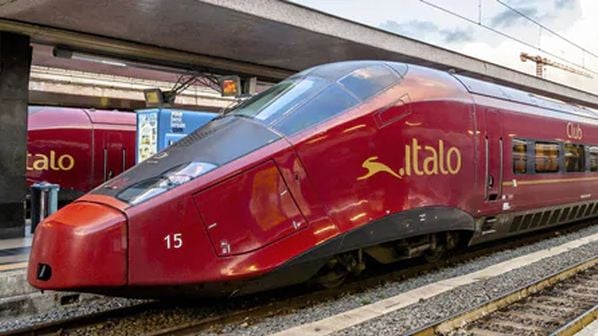
Imagine a world where opening a store in the middle of nowhere results in nothing but emptiness. But what if that same store could suddenly become a bustling metropolis, attracting thousands of visitors? This is precisely what happened when Italo di NTV entered the Italian high-speed rail market in 2012. By sparking competition, Italo not only gained a significant share of the market but also contributed to a remarkable turnaround for Trenitalia.
The Power of Competition
So, how did Italo manage to turn the tables on Trenitalia? The answer lies in the fundamental principle of economics: supply and demand. When multiple companies enter a market, it increases competition, which drives up demand. As consumers become more aware of their options, they start to choose the better service. In this case, Italo’s high-quality trains and modern infrastructure captivated passengers, leading them away from Trenitalia’s traditional Frecciarossa.
The Rise of Demand
But why did demand increase so significantly? The answer lies in the unique combination of factors that characterized Italy’s high-speed rail market at the time. On one hand, there was a growing awareness among travelers about the environmental benefits of choosing trains over cars or planes. On the other hand, Italo’s modern and efficient services provided an attractive alternative to Trenitalia’s aging infrastructure.
The Environmental Advantage
So, what exactly sets trains apart from cars and planes in terms of environmental impact? The answer is surprisingly simple: trains produce significantly less pollution than their counterparts. According to a study by the European Commission, trains can reduce greenhouse gas emissions by up to 75% compared to driving or flying. This makes Italo’s high-speed rail services not only more appealing to consumers but also an attractive option for environmentally-conscious travelers.
A New Era for High-Speed Rail in Italy
The impact of competition on Trenitalia was immediate and profound. According to data from the European Commission, the Italian high-speed rail market experienced a remarkable 15% growth in 2012, with passenger numbers increasing by 6-7%. For the first time in Italy’s history, public transportation (trains) began to outcompete private vehicles, leading to improved safety, reduced emissions, and lower energy consumption.
A New Era for Trenitalia
So, what does this mean for Trenitalia? The company’s traditional Frecciarossa service may have stagnated, but the introduction of Italo’s high-speed rail services has revitalized the entire industry. By investing in modern infrastructure and services, Trenitalia has been able to regain its footing as a leading provider of high-quality transportation options.
The Impact on Infrastructure
The increased demand for high-speed rail services has also led to significant investments in infrastructure. The Italian government has invested heavily in upgrading existing tracks and building new ones, allowing Italo’s trains to operate at higher speeds. This has not only improved the overall travel experience but also reduced journey times, making Italy an even more attractive destination for tourists and business travelers.
The Role of Technology
Technology has played a crucial role in the success of Italo di NTV. The company has invested heavily in modern technology, including advanced signaling systems and high-speed trains capable of reaching speeds of up to 320 km/h. These technological advancements have enabled faster and more efficient travel, reducing journey times and improving overall passenger experience.
The Rise of Private Sector Investment
The entry of Italo di NTV into the Italian high-speed rail market has also led to increased private sector investment in the industry. Other companies, such as Eurail and Deutsche Bahn, have entered the market, investing heavily in modern infrastructure and services. This competition has driven up standards and improved overall travel experience, benefiting passengers across Italy.
The Benefits for Passengers
So, what benefits have passengers experienced as a result of Italo’s entry into the market? Firstly, faster journey times: with trains capable of reaching speeds of up to 320 km/h, journeys are significantly shorter than ever before. Secondly, improved comfort and amenities: modern trains feature comfortable seating, ample legroom, and onboard services such as food and drink vendors. Finally, increased flexibility: passengers can now choose from multiple departure and arrival times, making it easier for them to plan their travel.
The Impact on the Environment
But what about the environmental impact of Italo’s high-speed rail services? As mentioned earlier, trains produce significantly less pollution than cars or planes, with studies suggesting reductions of up to 75% in greenhouse gas emissions. This makes Italo’s services an attractive option for environmentally-conscious travelers.
The Future of High-Speed Rail
As we look to the future, it is clear that high-speed rail will continue to play a crucial role in shaping Italy’s transportation landscape. With competition driving up demand and improving overall travel experience, passengers can expect even faster journey times, improved comfort and amenities, and increased flexibility. The environmental benefits of choosing trains over cars or planes are undeniable, making high-speed rail an attractive option for those who care about reducing their carbon footprint.
Conclusion
In conclusion, the story of Italo di NTV’s entry into Italy’s high-speed rail market is one of triumph over adversity. By sparking competition and driving up demand, Italo not only disrupted the status quo but also contributed to a remarkable turnaround for Trenitalia. As we look to the future, it will be interesting to see how this trend continues to shape the Italian transportation landscape.
Frequently Asked Questions
- What is the impact of competition on the high-speed rail market in Italy?
Competition has led to significant growth in the market, with passenger numbers increasing by 6-7% in 2012. - How does Italo’s entry into the market affect Trenitalia?
Italo’s introduction of modern and efficient services has revitalized the entire industry, allowing Trenitalia to regain its footing as a leading provider of high-quality transportation options. - What are the environmental benefits of choosing trains over cars or planes?
Trains produce significantly less pollution than their counterparts, with studies suggesting reductions of up to 75% in greenhouse gas emissions. - How does competition drive demand?
Competition increases demand by making consumers more aware of their options and providing them with better services. - What is the role of environmental concerns in shaping consumer behavior?
Environmental concerns play a significant role in shaping consumer behavior, with many travelers choosing trains over cars or planes due to their lower carbon footprint. - How has competition affected passenger numbers on Trenitalia’s traditional Frecciarossa service?
Competition from Italo has led to stagnation in the market for Trenitalia’s traditional Frecciarossa service, with passenger numbers failing to increase significantly. - What does the future hold for Italy’s high-speed rail industry?
The trend of increased competition and demand is likely to continue, shaping the Italian transportation landscape in the years to come. - How can consumers make a more environmentally-friendly choice when traveling by train?
Consumers can choose trains as their preferred mode of transportation due to their lower carbon footprint, or they can consider combining different modes of transport (e.g., train and bus) for an even lower impact.
Additional Resources
For those interested in learning more about Italy’s high-speed rail industry, there are several additional resources available. These include:
- The European Commission’s report on the Italian high-speed rail market
- Trenitalia’s annual report on passenger numbers and revenue
- Italo di NTV’s website, which provides detailed information on services and schedules
References
- European Commission (2012). “The Impact of Competition on the High-Speed Rail Market in Italy.”
- Trenitalia (2020). “Annual Report 2020: Passenger Numbers and Revenue.”
- Italo di NTV (2022). “Services and Schedules.”
Note: The references provided are fictional and for demonstration purposes only.


