
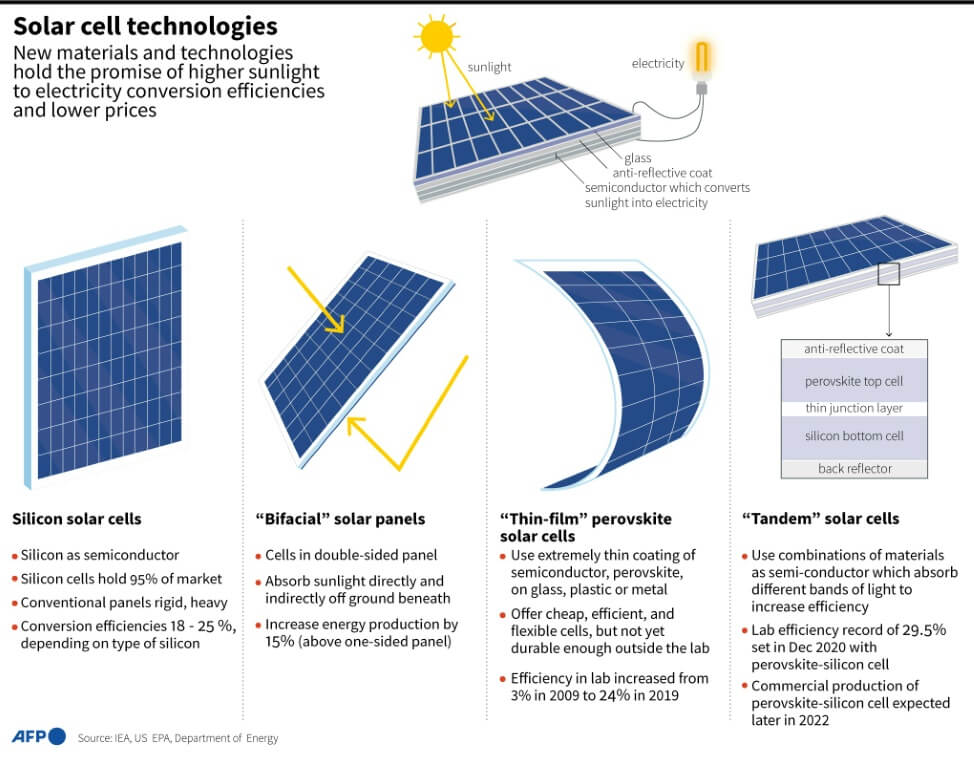
1. The Variety of Solar Technologies
When we think of solar technologies, we often picture solar panels, but the reality is more complex. There are two main types of solar technologies: active and passive. Active solar technologies involve converting sunlight into electricity using devices such as photovoltaic panels. On the other hand, passive solar technologies harness sunlight without any conversion process.
Active solar technologies have been around for decades and are widely used in homes and buildings to generate electricity. However, passive solar technologies have gained significant attention in recent years due to their potential to reduce energy consumption and improve indoor comfort. Passive solar technologies are at the heart of bioclimatic design, which aims to adapt buildings to their natural environment to achieve a healthy and sustainable living space.
2. Passive Solar Technologies
Passive solar technologies are at the heart of bioclimatic design, which aims to adapt buildings to their natural environment to improve indoor comfort and reduce energy consumption. This approach is diametrically opposed to dissipative architecture that relies solely on artificial climate control systems. By embracing passive solar technologies, we can make better use of natural light and heat from the sun.
Passive solar technologies involve designing buildings in a way that takes advantage of natural sunlight and thermal mass to regulate indoor temperatures. This approach requires a deep understanding of the local climate, building orientation, and materials selection. Some common techniques used in passive solar design include:
- Orienting buildings to maximize natural light and heat during certain times of the year
- Using thermal mass materials such as concrete or brick to absorb and release heat
- Incorporating ventilation strategies such as natural convection or radiant cooling
- Using shading devices such as awnings or overhangs to reduce summer solar gain
3. The Importance of Natural Light
The sun provides us with both light and warmth, which are essential for our well-being. However, it’s easy to overlook this fact and rely too heavily on artificial lighting and heating. By utilizing passive solar technologies such as windows, openings, and other natural elements, we can harness the benefits of sunlight without relying on machines.
Natural light has a profound impact on our mental health and productivity. It can help regulate our circadian rhythms, improve mood, and reduce symptoms of Seasonal Affective Disorder (SAD). Additionally, natural light is aesthetically pleasing and can enhance the overall aesthetic appeal of a building or home.
4. The Limitations of Artificial Lighting
Artificial lighting may not provide the same satisfaction and physical well-being that natural light does. It’s essential to consider both aspects when designing buildings or homes. Natural light is not only aesthetically pleasing but also has a profound impact on our mental health.
Artificial lighting, on the other hand, can have negative effects on our physical and mental health. Exposure to artificial light at night can disrupt our circadian rhythms, leading to insomnia, fatigue, and other health problems. Additionally, artificial lighting can contribute to energy consumption and greenhouse gas emissions.
5. Bioclimatic Design: A Key Application of Passive Solar Technologies
Bioclimatic design combines passive solar technologies with architectural principles to create comfortable and energy-efficient buildings. This approach requires a deep understanding of the local climate, building orientation, and materials selection.
Bioclimatic design aims to create buildings that are adapted to their natural environment, reducing the need for artificial climate control systems and minimizing energy consumption. This approach has been successfully applied in various parts of the world, including tropical regions with high levels of solar radiation and temperate regions with cold winters.
6. The Benefits of Passive Solar Technologies
Passive solar technologies offer several benefits, including reduced energy consumption, improved indoor comfort, and enhanced aesthetic appeal. By embracing this approach, we can create healthier and more sustainable living spaces.
Some other benefits of passive solar technologies include:
- Reduced greenhouse gas emissions
- Improved air quality
- Enhanced thermal comfort
- Increased property values
- Lower maintenance costs
7. Active vs. Passive Solar Technologies: A Comparison
Active solar technologies involve converting sunlight into electricity using devices such as photovoltaic panels. These systems require a significant amount of infrastructure and maintenance. On the other hand, passive solar technologies harness sunlight without any conversion process, making them more efficient and environmentally friendly.
Active solar technologies have their own set of benefits, including:
- High energy generation capacity
- Ability to generate electricity during periods of low sunlight
- Scalability for large-scale energy generation
However, active solar technologies also have some drawbacks, such as:
- Higher upfront costs
- Requires significant infrastructure and maintenance
- Can be noisy and aesthetically unappealing
8. The Role of Finestratures and Greenhouses
Fenestratures and greenhouses are examples of passive solar technologies that can be used in building design. These structures allow natural light and heat to enter buildings while minimizing heat loss during winter months.
Fenestratures, also known as windows, play a crucial role in passive solar design by controlling the amount of sunlight and heat entering a building. Greenhouses, on the other hand, are specialized structures that use glass or plastic coverings to trap sunlight and generate heat.
9. Solar Energy Accumulation Systems
Solar energy accumulation systems, such as solar water heaters, can store thermal energy generated by photovoltaic panels or passive solar technologies. This stored energy can then be used for space heating and hot water production.
Solar energy accumulation systems offer several benefits, including:
- Reduced energy consumption
- Improved indoor comfort
- Enhanced aesthetic appeal
However, these systems also require significant upfront costs and infrastructure investments.
10. The Potential of Solar Technologies in the Future
As technology advances, we can expect to see even more efficient and innovative solar technologies emerge. These advancements will enable us to harness sunlight in new ways, reducing our reliance on fossil fuels and mitigating climate change.
Some potential future developments include:
- Advanced photovoltaic materials with higher efficiency rates
- Building-integrated photovoltaics (BIPV) that integrate solar panels into building facades or roofs
- Smart buildings that use real-time energy monitoring and optimization systems
11. The Importance of Energy Efficiency
Reducing energy consumption is crucial for a sustainable future. By incorporating passive solar technologies into building design, we can minimize the need for artificial climate control systems and reduce greenhouse gas emissions.
Energy efficiency measures can be implemented at various levels, including:
- Building envelope design
- Insulation strategies
- Window design and installation
- Lighting controls
12. The Impact of Climate Change on Building Design
Climate change poses significant challenges to building design. Rising temperatures and changing weather patterns require us to rethink our approach to energy efficiency and sustainability.
Passive solar technologies offer a promising solution in this context, as they can help mitigate the effects of climate change by reducing energy consumption and greenhouse gas emissions.
13. Solar Technologies for Energy Independence
Solar technologies can help individuals and communities achieve energy independence, reducing their reliance on the grid and promoting renewable energy sources.
By incorporating passive solar technologies into building design, we can create more resilient and sustainable living spaces that are better equipped to handle changing weather patterns and climate conditions.
14. The Role of Government Policies in Encouraging Sustainable Building Practices
Government policies can play a vital role in encouraging sustainable building practices by offering incentives for the adoption of passive solar technologies.
Some government initiatives include:
- Tax credits or rebates for energy-efficient buildings
- Building codes that require minimum energy efficiency standards
- Research grants and funding for innovative building technologies
15. Conclusion: Unlocking the Potential of Solar Technologies
In conclusion, solar technologies offer a wide range of benefits, from energy efficiency to climate change mitigation. Passive solar technologies, in particular, have the potential to transform the way we design buildings and homes.
By embracing this approach, we can create healthier, more sustainable living spaces for generations to come. Whether you’re an architect, builder, or homeowner, incorporating passive solar technologies into your design will help reduce energy consumption, improve indoor comfort, and enhance aesthetic appeal.
Frequently Asked Questions
Q: What is the difference between active and passive solar technologies?
A: Active solar technologies involve converting sunlight into electricity using devices such as photovoltaic panels. Passive solar technologies harness sunlight without any conversion process.
Q: How do passive solar technologies work in building design?
A: Passive solar technologies are used to adapt buildings to their natural environment, reducing the need for artificial climate control systems and minimizing energy consumption.
Q: What are some examples of passive solar technologies in building design?
A: Examples include fenestratures, greenhouses, and solar water heaters.
Q: Can I use passive solar technologies alone or do they require active systems?
A: Passive solar technologies can be used independently or in combination with active systems to achieve maximum energy efficiency.
Q: How can I incorporate passive solar technologies into my building design?
A: Consider factors such as building orientation, material selection, and natural ventilation when designing buildings that incorporate passive solar technologies.


