
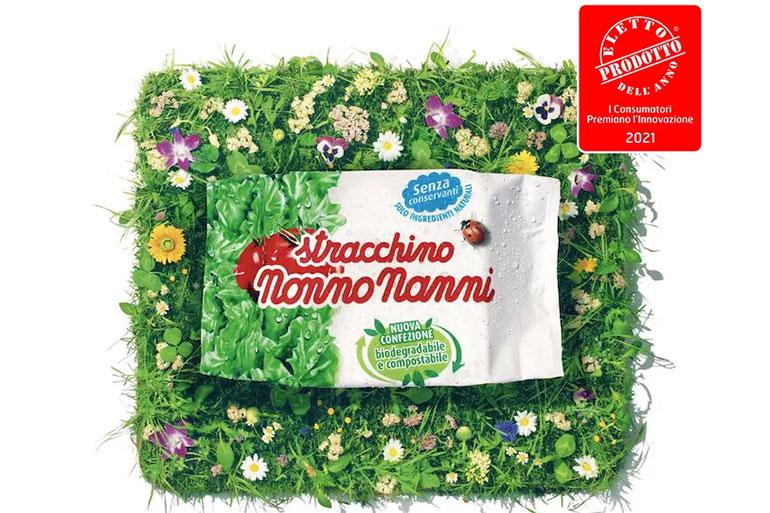
As we navigate the complexities of climate change, it’s essential to understand the impact of our daily choices on the environment. One such choice is where we get our dairy products from. In this article, we’ll explore the story of Nonno Nanni, a renowned Italian cheesemaker who has taken the initiative to calculate and mitigate the carbon footprint of his stracchini.
The Question of Carbon Footprint
So, how much CO2 is released into the atmosphere when producing just 1 kg of cheese? This was the question that sparked Nonno Nanni’s curiosity. To answer it, he joined forces with other prominent Italian companies to participate in a government-funded project aimed at calculating the carbon footprint of four key products: Stracchino Nonno Nanni, Stracchino with Probiotic Ferment, Robiola Nonno Nanni, and Squaquerello Nonno Nanni.
The Study Reveals
In 2013, the study was conducted by CSQA (audit March 27th) and simultaneously identified measures to reduce the carbon footprint of nonno nanni’s stracchini. The results showed that the production of stracchini and fresh cheeses has a significant impact on CO2 emissions.
The Solution: Compensating for Carbon Emissions
To compensate for these emissions, Latteria Montello will undertake two initiatives:
- Contributing to the development of biomass-based energy plants in Brazil.
- Implementing sustainable forest management practices in Veneto.
Calculating Carbon Footprint
The carbon footprint calculation took into account both direct and indirect CO2 emissions from the production process. The study analyzed data from 2011, which revealed that milk production is the primary contributor to climate-related emissions.
Breaking Down the Numbers
When it comes to calculating the carbon footprint of stracchini, the results show that:
- Milk production has a significant impact due to methane emissions from cows.
- The “acquisition of raw materials and processing” contributes more to the overall carbon footprint.
- Emissions during production, storage, and disposal account for a relatively small percentage of the total.
Sustainable Practices
Latteria Montello has taken steps towards reducing its environmental impact. Some initiatives include:
- Using energy-efficient refrigeration systems
- Minimizing transportation-related emissions by optimizing supply chains
Conclusion
Nonno Nanni’s commitment to sustainability is a shining example of how businesses can make a positive impact on the environment. By understanding and addressing their carbon footprint, companies like Latteria Montello can contribute to a more eco-friendly future.
Frequently Asked Questions (FAQs)
- What is the main contributor to CO2 emissions in the production of stracchini?
- Milk production due to methane emissions from cows.
- How does the “acquisition of raw materials and processing” contribute to the carbon footprint?
- It accounts for more than half of the total carbon footprint.
- What measures has Latteria Montello taken to reduce its environmental impact?
- Implementing energy-efficient refrigeration systems, minimizing transportation-related emissions, and optimizing supply chains.
- How does Nonno Nanni’s commitment to sustainability benefit the environment?
- By reducing CO2 emissions, promoting sustainable practices, and setting an example for other businesses to follow.
- What initiatives has Latteria Montello undertaken to compensate for carbon emissions?
- Contributing to biomass-based energy plants in Brazil and implementing sustainable forest management practices in Veneto.
- Can the carbon footprint of stracchini be reduced further?
- Yes, by continuing to implement sustainable practices, optimize production processes, and explore new technologies.
- How can consumers support sustainable dairy farming practices?
- By choosing products from companies that prioritize environmental sustainability, supporting local farmers, and promoting eco-friendly dairy practices.
- What role does the carbon footprint of stracchini play in addressing climate change?
- It highlights the need for businesses to take responsibility for their environmental impact and implement sustainable practices to mitigate climate change.
The Role of Technology
Advancements in technology are playing a crucial role in reducing the carbon footprint of stracchini. Some examples include:
- Vertical farming: This method of growing plants in vertically stacked layers can reduce emissions by minimizing transportation needs.
- Electric milk tankers: These vehicles can significantly decrease greenhouse gas emissions from the dairy supply chain.
The Future of Sustainable Dairy Farming
As we move forward, there are several key areas to focus on:
- Implementing circular economy practices: This includes designing products and systems that are restorative and regenerative by design.
- Promoting renewable energy sources: Investing in solar power, wind energy, and other forms of renewable energy can help reduce emissions.
- Supporting sustainable agriculture: Encouraging sustainable farming practices, such as agroforestry and permaculture, can help sequester carbon dioxide from the atmosphere.
Conclusion
Nonno Nanni’s story serves as a powerful reminder that small actions can have significant impacts. By prioritizing sustainability and innovation, we can create a better future for our planet. As the demand for stracchini continues to grow, it’s essential that we address the carbon footprint of this beloved Italian cheese.
The Impact of Climate Change
Climate change is having a profound impact on our world, from rising temperatures to devastating natural disasters. The dairy industry is not immune to these effects:
- Changes in milk production: Rising temperatures can lead to changes in milk production patterns, affecting the quality and quantity of milk.
- Increased disease risk: Climate change can lead to an increase in diseases among livestock, reducing milk yields and affecting overall herd health.
Conclusion
As we navigate the complexities of climate change, it’s essential that we prioritize sustainability and innovation. By understanding the carbon footprint of stracchini and taking steps to reduce emissions, we can create a better future for our planet.


