
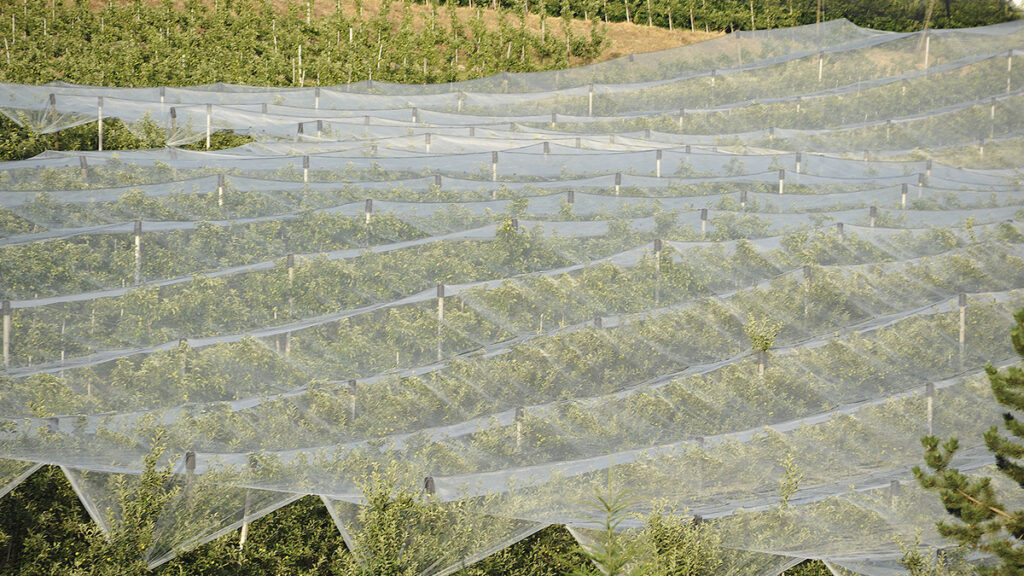
As we delve into the world of textiles, we often overlook a crucial material that plays a vital role in agriculture: the non-woven fabric. Also known as “non-tissu” or “nonwoven,” this innovative material has revolutionized the way farmers protect their crops from harsh weather conditions.
What is Non-Woven Fabric?
Non-woven fabric is made up of fibers arranged randomly, without any woven structure (hence the name). This unique property makes it an excellent option for protecting plants from frost, promoting new growth, and controlling pests. There are two types of non-woven fabrics: permeable and impermeable to sunlight.
History of Non-Woven Fabric
Non-woven fabric has been in use since the 1950s, initially used as a substitute for traditional woven fabrics. Over time, its applications have expanded beyond textiles to various industries such as agriculture, medicine, and construction.
Uses of Non-Woven Fabric in Agriculture
- Frost protection: Non-woven fabric is an excellent solution for protecting crops from cold temperatures without installing permanent structures.
- New growth promotion: By allowing sunlight to pass through, non-woven fabric promotes new growth in plants.
- Pest control: Non-woven fabric can be used to create a physical barrier that prevents pests from reaching crops.
Benefits of Non-Woven Fabric
Non-woven fabric has several benefits for farmers:
- Easy to use: No need for permanent structures, making it an excellent option for small-scale farming.
- Cost-effective: A 10-meter roll with a thickness of 160 cm costs around 5 euros.
- Reusable: The non-woven fabric doesn’t degrade and can be used multiple times. It’s easy to clean, store, and reuse.
- Resistant: Non-woven fabric is resistant to wind, frost, and temperature changes.
- Environmentally friendly: Unlike traditional greenhouses or tunnels, non-woven fabric allows for airflow, preventing the buildup of carbon dioxide.
Comparing Non-Woven Fabric to Greenhouse Tunnels
Non-woven fabric can be compared to greenhouse tunnels in terms of its ability to provide protection without trapping heat. While both options allow sunlight to pass through, non-woven fabric is more breathable and doesn’t create the “greenhouse effect.” This makes it an excellent choice for small-scale farming.
Getting Started with Non-Woven Fabric
To start using non-woven fabric, follow these steps:
- Purchase: Buy a roll of non-woven fabric specifically designed for agriculture.
- Cover soil: Cover the affected plants and soil before frost hits to prevent damage.
- Secure: Secure the fabric with stakes or weights to ensure it remains in place.
Frequently Asked Questions
- Q: Is non-woven fabric suitable for all types of crops?
A: Non-woven fabric is best suited for sensitive crops, such as lettuce and spinach. - Q: Can I reuse non-woven fabric multiple times?
A: Yes, non-woven fabric can be reused multiple times if cleaned and stored properly. - Q: Is non-woven fabric expensive?
A: Non-woven fabric is relatively affordable, especially when compared to traditional greenhouses or tunnels. - Q: Can I use non-woven fabric in other applications?
A: Yes, non-woven fabric has various uses beyond agriculture, such as in medical settings and furniture production.
Environmental Benefits of Non-Woven Fabric
- Reduced carbon footprint: Unlike traditional greenhouses or tunnels, non-woven fabric allows for airflow, preventing the buildup of carbon dioxide.
- Conservation of resources: Non-woven fabric requires minimal resources to produce and maintain.
- Minimized waste: The reusable nature of non-woven fabric reduces waste in agricultural settings.
Conclusion
Non-woven fabric has revolutionized the way farmers protect their crops from harsh weather conditions. Its benefits, including ease of use, cost-effectiveness, and reusability, make it an excellent option for small-scale farming. With its unique properties and advantages, non-woven fabric is poised to become a go-to material for agricultural protection.
FAQs
- Q: Is non-woven fabric suitable for all types of crops?
A: Non-woven fabric is best suited for sensitive crops, such as lettuce and spinach. - Q: Can I reuse non-woven fabric multiple times?
A: Yes, non-woven fabric can be reused multiple times if cleaned and stored properly. - Q: Is non-woven fabric expensive?
A: Non-woven fabric is relatively affordable, especially when compared to traditional greenhouses or tunnels. - Q: Can I use non-woven fabric in other applications?
A: Yes, non-woven fabric has various uses beyond agriculture, such as in medical settings and furniture production. - Q: Is non-woven fabric durable?
A: Non-woven fabric is resistant to wind, frost, and temperature changes. - Q: Can I use non-woven fabric indoors?
A: Yes, non-woven fabric can be used indoors for applications such as medical settings or furniture production.
Recommended Resources
- “Non-Woven Fabric in Agriculture” by Anna De Simone
- “The Benefits of Non-Woven Fabric” by Greenhouse Magazine
- “Non-Woven Fabric 101” by Materials Science Journal
Future Developments in Non-Woven Fabric
As technology advances, non-woven fabric is expected to play an increasingly important role in agriculture. Future developments may include:
- Improved durability: Increased resistance to wind, frost, and temperature changes.
- Increased sustainability: Reduced carbon footprint and minimized waste through more efficient production processes.
- Enhanced functionality: Integration of sensors and monitoring systems to optimize crop growth and protection.
By embracing non-woven fabric as a solution for agricultural protection, farmers can reduce their environmental impact while promoting healthy crop growth. As the demand for sustainable materials continues to rise, non-woven fabric is poised to become an essential component of agricultural practices worldwide.


