
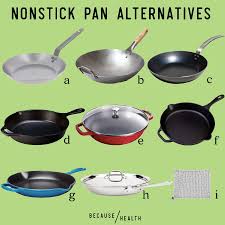
When it comes to cooking, a good non-stick pan is essential for preventing food from sticking and making cooking easier. However, the safety concerns surrounding traditional non-stick pans coated with Teflon have been a topic of debate in recent years.
What Makes Non-Stick Pans Safe or Not?
Non-stick pans are called so because they contain an inner layer of PTFE (Teflon), which has the lowest coefficient of friction known. This makes it difficult for food to stick to the surface of the pan. However, when heated to high temperatures, the Teflon can break down and release toxic fumes.
The main concern is with a specific chemical called perfluorooctanoic acid (PFOA), also known as C8. PFOA has been linked to several health problems, including cancer, ulcers, thyroid disease, and high cholesterol levels. The good news is that many manufacturers have started using safer alternatives to Teflon.
The Risks of Traditional Non-Stick Pans
While traditional non-stick pans are convenient, the risks associated with them cannot be ignored. When heated to high temperatures, the Teflon can break down and release toxic fumes into the air. These fumes can cause serious health problems, including cancer and other respiratory issues.
The Benefits of Alternatives to Teflon
Fortunately, there are safer alternatives to traditional non-stick pans coated with Teflon. Some popular options include:
- Ceramic-coated pans: These pans use a ceramic coating that is PFOA-free and provides excellent heat distribution.
- Titanium-coated pans: Titanium is a highly durable material that is also PFOA-free and non-toxic.
Padella Antiaderente Lagostina: A Safe and Effective Option
One popular option for those looking for a safe and effective non-stick pan is the Padella Antiaderente Lagostina. This pan features a non-stick coating made from titanium, which is PFOA-free and provides excellent heat distribution.
How to Use Your Non-Stick Pan Safely
To get the most out of your non-stick pan, follow these simple tips:
- Heat the pan evenly: Make sure to heat the pan evenly before adding food to prevent hotspots.
- Don’t use metal utensils: Metal utensils can scratch the non-stick coating and reduce its effectiveness.
- Avoid high temperatures: Avoid heating your non-stick pan to extremely high temperatures, as this can cause the coating to break down.
Benefits of Ceramic Non-Stick Coatings
Ceramic-coated pans offer several benefits over traditional Teflon-coated pans:
- Healthier options: Ceramic coatings are PFOA-free and produce fewer toxic fumes when heated.
- Durable: Ceramic coatings can withstand high temperatures and last longer than Teflon coatings.
- Easy to clean: Ceramic coatings make cleaning easier, as food residue is less likely to stick.
Benefits of Titanium Non-Stick Coatings
Titanium-coated pans also offer several benefits:
- High-heat performance: Titanium coatings can withstand extremely high temperatures and prevent hotspots.
- Durable: Titanium coatings are highly durable and resistant to scratches and chips.
- Non-toxic: Titanium is a non-toxic material that produces no toxic fumes when heated.
FAQs
Here are some frequently asked questions about non-stick pans and their alternatives:
- Are all non-stick pans made from Teflon?
- No, not all non-stick pans are made from Teflon. Many manufacturers have started using safer alternatives like ceramic or titanium coatings.
- Is PFOA a common ingredient in non-stick pans?
- Yes, PFOA was once a common ingredient in non-stick pans, but many manufacturers have since switched to safer alternatives.
- Are non-stick pans safe for cooking at high temperatures?
- While some non-stick pans can handle high temperatures, it’s generally recommended to avoid heating them too hot.
- What are the benefits of using a ceramic-coated pan?
- Ceramic-coated pans offer excellent heat distribution and are PFOA-free.
- Can I use metal utensils with my non-stick pan?
- No, it’s best to avoid using metal utensils with your non-stick pan, as they can scratch the coating.
By choosing a safe and effective non-stick pan, you can cook healthier and enjoy a more enjoyable cooking experience.


