
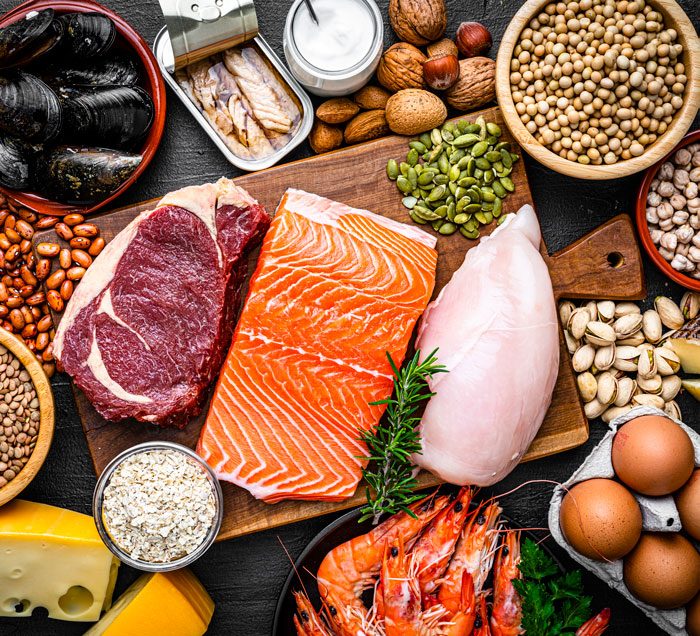
As we ponder why proteins are called “noble,” it’s likely that we imagine them being categorized in a positive light within the context of proteins and nutrients. And, indeed, you’re not wrong – noble proteins are an important source of energy for humans, and they play a crucial role in forming all tissues and blood.
What Are Noble Proteins?
In general, proteins are complex molecules composed of many units called amino acids. Amino acids themselves are formed from carbon, hydrogen, oxygen, nitrogen, and other elements. Noble proteins, on the other hand, are those that contain the highest possible range of essential amino acids. These proteins are therefore the most nutritious and valuable sources of energy.
What Makes Proteins “Noble”?
To understand what makes a protein noble, we need to clarify why some amino acids are considered essential. Only those amino acids that cannot be synthesized by the human body must be consumed through food. Therefore, when selecting proteins, it’s crucial to choose those that contain all essential amino acids.
The Benefits of Noble Proteins
Incorporating noble proteins into your diet can have numerous benefits for overall health and well-being. These include:
- Improved muscle growth and repair
- Enhanced athletic performance
- Support for immune function
- Promoting healthy weight management
How Much Protein Should We Consume?
Our diet should also strive for balance and equilibrium. This means that not more than 12% of our total energy intake should come from protein. Additionally, we must differentiate between various sources of protein and vary our diets by alternating animal-based and plant-based foods.
The Best Sources of Noble Proteins
The foods that are naturally rich in noble proteins are milk, eggs, meat, and fish. However, these categories are not the only ones; there are also other nutritious options to explore.
- Eggs: These versatile food items have been at the center of many diets throughout history.
- Fish: Packed with protein, vitamins, and healthy fats like Omega-3, making it a highly valued choice for overall health benefits.
- Legumes (beans, lentils, chickpeas): While not all legumes provide equal amounts of essential amino acids, they can be paired with grains to create complete protein sources, such as pasta and bean dishes.
Noble Protein Elaboration
While the initial list already included noble proteins, let’s dive into more specific options for those who don’t consume meat or eggs:
- Tofu (soybeans): A great plant-based option for protein intake.
- Tempeh (fermented soybeans): Offers a nutty flavor and enhanced nutritional profile compared to tofu.
- Seitan (wheat gluten): Can be used in place of meat in many dishes, providing a robust source of protein.
Beyond Meat and Eggs
Other plant-based options include nuts, seeds, whole grains, and legumes. For example:
- Nuts: Rich in healthy fats, vitamins, and minerals.
- Seeds: Packed with protein, omega-3 fatty acids, and fiber.
- Whole Grains: Provide essential amino acids, fiber, and various nutrients.
Non-Noble Proteins
Not all proteins are created equal. The value of a protein lies in its ability to meet the body’s nutritional needs. If a protein lacks certain essential amino acids, it is considered non-noble.
The Role of Noble Proteins in Our Bodies
Noble proteins play a vital role in various bodily functions. These include:
- Building and repairing tissues
- Producing enzymes and hormones
- Maintaining healthy skin and hair
- Supporting immune function
By incorporating noble proteins into your diet, you can support these essential functions and promote overall health.
Frequently Asked Questions
- What are noble proteins?
- Why are some amino acids considered essential?
- How much protein should we consume per day?
- Which foods are naturally rich in noble proteins?
- Can I get enough nutrition from plant-based sources alone?
Tips for Incorporating Noble Proteins into Your Diet
To make the most of these nutrient-dense foods, consider the following tips:
- Eat a balanced diet: Include a variety of protein sources to ensure you’re getting all the essential amino acids.
- Experiment with new recipes: Try pairing different proteins and grains to create complete protein sources.
- Consider your lifestyle: Choose protein sources that fit your dietary needs and preferences.
By understanding what makes a protein “noble” and how to incorporate these into your diet, you can make informed choices about your nutrition.


