
The Hidden Dangers of Synthetic Fertilizers: Understanding the Risks to the Environment
As we strive for sustainable agriculture and environmental protection, it’s essential to understand the risks associated with synthetic fertilizers. These chemicals are often used in large quantities to boost crop yields, but their impact on the environment is far-reaching and devastating.
Where Does Azote Come From? And What Role Does It Play in Plant Growth?
Azote, or nitrogen, is one of the three primary macronutrients that plants require for growth. The other two are phosphorus and potassium. Nitrogen is essential for plant development, but excessive amounts can have negative consequences.
Nitrogen enters the soil through various means, including rain, wind, and microorganisms that fix atmospheric nitrogen into a form usable by plants. Additionally, humans can apply synthetic fertilizers to promote plant growth. These fertilizers contain high concentrations of nitrogen, which can stimulate rapid growth but also lead to imbalances in the plant’s ecosystem.
The Dangers of Synthetic Fertilizers: A Closer Look
Synthetic fertilizers are made from a range of chemicals, including urea, ammonium nitrate, and other nitrogen-based compounds. While they may provide short-term benefits for crop yields, their use can have severe environmental consequences:
- Acidification of the Soil: Synthetic fertilizers can alter the pH balance of the soil, leading to acidification and reduced fertility.
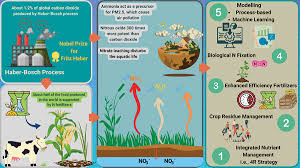
- Air Pollution: The production and application of synthetic fertilizers release ammonia into the atmosphere, contributing to air pollution and negative impacts on human health.
- Loss of Biodiversity: Excessive use of synthetic fertilizers can lead to an imbalance in ecosystems, causing a decline in biodiversity.
Understanding the Types of Synthetic Fertilizers
There are several types of synthetic fertilizers available, each with its unique characteristics:
- Urea: A common nitrogen-based fertilizer that provides high concentrations of azote.
- Calciocianammide: An artificial fertilizer that contains calcium carbonate and is used to reduce soil acidity while providing additional nutrients.
- Solfato ammonico: A white crystalline substance containing approximately 20% azoto, often used in ‘concimazione a cessione lenta’ or slow-release fertilizers.
- Nitrato di sodio: Contains about 15.5% azoto and is quickly absorbed by plants but can be harmful to humans if not handled properly.
The Risks of Nitrato Di Calcio
Nitrato di calcio, another synthetic fertilizer made from industrial processes using nitric acid, has a similar composition to nitrato di sodio. However, it’s often preferred due to the absence of detrimental residues on soil and its effectiveness in providing rapid results.
Exploring Alternative Fertilizers
Eliminating synthetic fertilizers entirely can be challenging, but there are alternatives that offer sustainable solutions:
- Organic Farming: This approach emphasizes natural methods to boost crop yields while preserving ecosystem balance.
- Concimi Naturali: Plants like legumes and clover have the ability to fix atmospheric nitrogen into usable forms.
- Composting: A method of breaking down organic waste to create nutrient-rich soil amendments.
The Impact of Synthetic Fertilizers on Human Health
Synthetic fertilizers can also pose health risks for humans, particularly when not handled properly:
- Respiratory Issues: Inhaling ammonia fumes from synthetic fertilizers can cause respiratory problems.
- Skin Irritation: Contact with synthetic fertilizers can lead to skin irritation and other allergic reactions.
Conclusion
Synthetic fertilizers play a significant role in modern agriculture, but their negative impacts on the environment are undeniable. By understanding the risks associated with these chemicals and exploring alternative methods, we can work towards creating a more sustainable future for our planet.


