
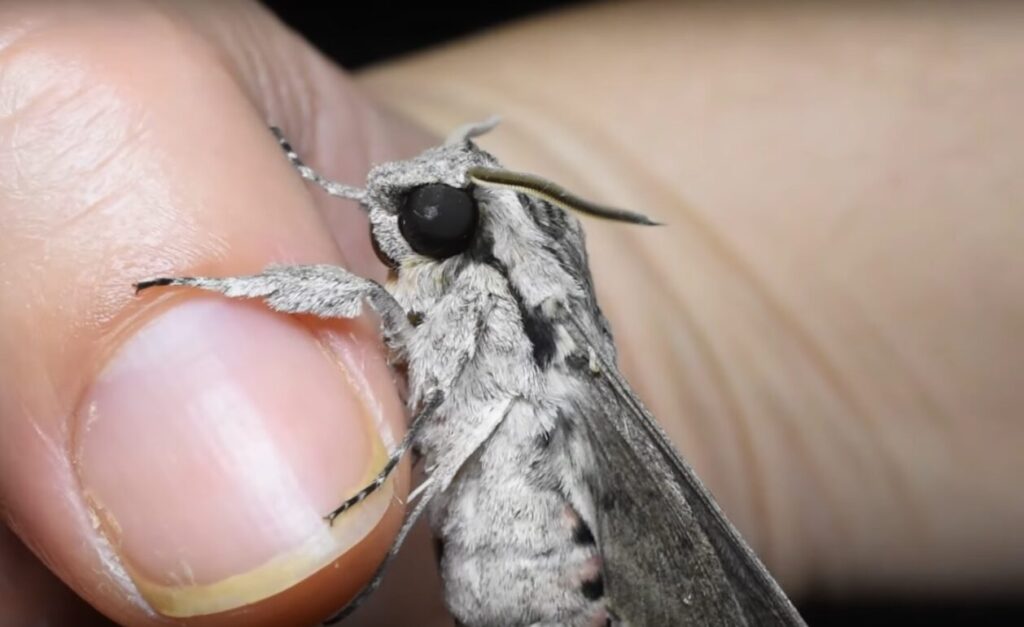
As we go about our daily lives, it’s easy to overlook the creatures that inhabit our surroundings. But what about those that flit about under the cover of darkness? The nocturnal butterflies, also known as night-flying insects, are a fascinating group of animals that are often misunderstood or overlooked. In this article, we’ll delve into the world of these enigmatic creatures and explore their unique characteristics, habits, and habitats.
What are Nocturnal Butterflies?
The term “nocturnal butterflies” refers to those species that are active at night, as opposed to diurnal butterflies, which are active during the day. These insects belong to the order Lepidoptera, a group that includes moths and butterflies. While most people associate butterflies with bright colors and sunny skies, nocturnal butterflies have evolved to thrive in the dark.
Physical Characteristics of Nocturnal Butterflies
Nocturnal butterflies are often misunderstood due to their physical appearance. They lack the vibrant colors and delicate wings of their diurnal cousins. In fact, many species of nocturnal butterflies have a more robust build, with thicker bodies and duller coloration. Their wings, too, are often covered in tiny scales that reflect no light, making them nearly invisible in the dark.
One of the most striking features of nocturnal butterflies is their sense organs. Many species have enlarged antennae that act like sensors, detecting even the slightest movements and vibrations. These specialized organs allow them to navigate through dense vegetation and locate potential mates or food sources.
How Do Nocturnal Butterflies Adapt to Their Environment?
Nocturnal butterflies have evolved a range of adaptations to survive in their nocturnal world. One of the most important is their ability to fly slowly and deliberately, allowing them to conserve energy and avoid detection by predators.
They also have a highly developed sense of smell, which helps them locate nectar-rich flowers and other food sources. In addition, many species have specialized hairs on their bodies that detect even the slightest changes in air pressure, allowing them to predict wind patterns and navigate through the darkness.
Distinguishing Between Nocturnal Butterflies and Moths
While both nocturnal butterflies and moths are active at night, there are some key differences between the two. One of the most important is the shape of their antennae. Butterfly antennae tend to be thicker and more club-shaped, while moth antennae are often longer and feathery.
Another difference is the way they fly. Butterflies tend to fly faster and more erratically, while moths are generally slower and more deliberate in their flight patterns.
How to Attract Nocturnal Butterflies into Your Home
While it may seem counterintuitive, attracting nocturnal butterflies can be a fun and rewarding experience. Here are some tips for encouraging these fascinating insects into your home:
- Plant nectar-rich flowers that bloom at night, such as jasmine or honeysuckle.
- Use lights that emit ultraviolet light, which attracts many species of nocturnal butterflies.
- Create a humid microclimate by placing a water source near your plants.
Interesting Facts About Nocturnal Butterflies
Here are some fascinating facts about nocturnal butterflies:
- The world’s largest butterfly is the Queen Alexandra’s Birdwing, which has a wingspan of up to 25 centimeters (10 inches).
- Some species of nocturnal butterflies can fly at speeds of up to 30 kilometers per hour (18.6 miles per hour).
- Nocturnal butterflies are often found in areas with high humidity and low light levels, such as tropical rainforests.
- Many species of nocturnal butterflies have unique mating behaviors, such as flying together in large groups or engaging in complex courtship rituals.
Nocturnal Butterfly Migration Patterns
Some species of nocturnal butterflies migrate over long distances at night, using the stars and the Earth’s magnetic field to navigate. These migrations can be incredibly impressive, with some species traveling thousands of miles each year.
One example is the monarch butterfly, which migrates from Canada and the United States to Mexico each winter, a journey of over 3,000 miles. This incredible feat is made possible by the monarchs’ unique adaptation, which allows them to detect the Earth’s magnetic field and use it to guide their flight.
Conservation Efforts for Nocturnal Butterflies
Nocturnal butterflies face many threats, including habitat destruction, climate change, and pesticide use. As a result, conservation efforts are necessary to protect these fascinating insects.
One way to help is by creating butterfly-friendly habitats in your garden or yard. This can include planting nectar-rich flowers, providing sheltered roosting sites, and using lights that emit ultraviolet light.
Conclusion
Nocturnal butterflies are fascinating creatures that deserve our appreciation and respect. By understanding their unique characteristics, habits, and habitats, we can better appreciate the importance of these insects in our ecosystem. Whether you’re a seasoned entomologist or just starting to explore the world of nocturnal butterflies, there’s always more to learn about these enigmatic creatures.
Frequently Asked Questions
- What is the difference between a butterfly and a moth?
While both butterflies and moths are insects in the order Lepidoptera, there are some key differences between the two. Butterflies tend to be brighter and more colorful, with slender antennae and delicate wings. Moths, on the other hand, are often duller in color and have feathery antennae. - How do nocturnal butterflies navigate?
Nocturnal butterflies use a combination of visual and sensory cues to navigate through their environment. They rely on specialized sense organs such as enlarged antennae and hairs on their bodies to detect even the slightest changes in air pressure, temperature, and humidity. - Can I keep nocturnal butterflies as pets?
While it is possible to keep some species of nocturnal butterflies in captivity, it is not recommended for most people. Nocturnal butterflies have complex habitat requirements and are often difficult to care for in a domestic setting. - How can I attract nocturnal butterflies into my home?
To attract nocturnal butterflies into your home, try planting nectar-rich flowers that bloom at night, using lights that emit ultraviolet light, or creating a humid microclimate by placing a water source near your plants. - What is the difference between a nocturnal butterfly and a diurnal butterfly?
Nocturnal butterflies are active at night, while diurnal butterflies are active during the day. This difference in activity patterns is due to adaptations such as specialized sense organs, faster flight speeds, and different visual cues.
By learning more about nocturnal butterflies and their fascinating world, we can gain a deeper appreciation for these incredible insects and work towards their conservation. Whether you’re a seasoned entomologist or just starting to explore the world of nocturnal butterflies, there’s always more to learn about these enigmatic creatures.


