
As we step into the world of amphibians, one species stands out for its unique characteristics and adaptability – the tritone. Often underestimated due to their naturalistic appearance, areas with high humidity play a crucial role in preserving essential biodiversity elements. These “wet drawers” host an astonishing array of flora and fauna, including the tritone itself.
In this article, we’ll delve into the world of tritones, focusing on their primary characteristics, behaviors, and habitats. We’ll explore two main species: the Italian Crested Triton (Triturus carnifex) and the Punteggiato Italian Triton (Lissotriton vulgaris meridionalis), also known as the Common Triton.
What is a Tritone?
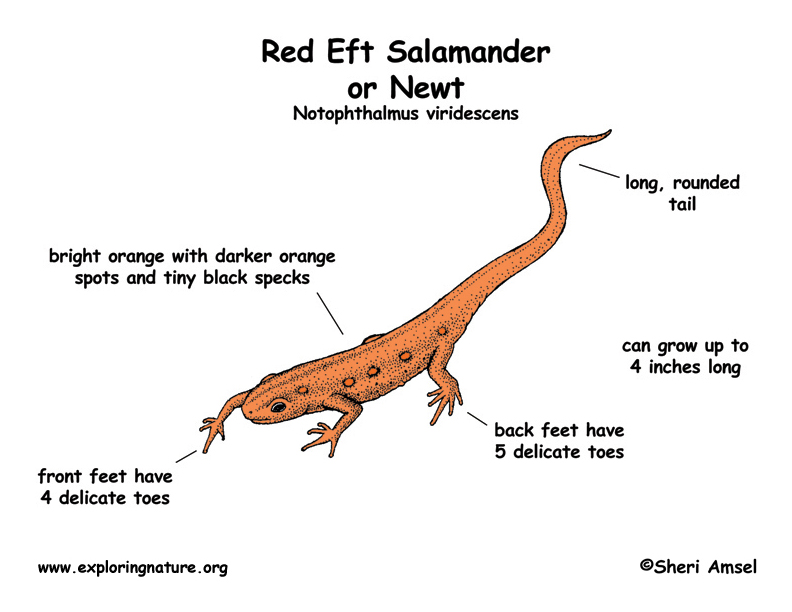
The tritone, belonging to the Salamandridae family, is distinguished by its slender body and long tail. Adult specimens typically range in length from 8 to 14 centimeters. One of their most striking features is the ability to regenerate lost limbs and tails.
Tritones are found primarily in European habitats but also inhabit parts of Western Asia.
The Italian Crested Triton: A Majestic Creature
Let’s start with the largest Italian tritone species – the Crested Triton (Triturus carnifex). As an adult, this specimen can reach a length of 13 to 15 centimeters. The upper body is greyish-brown, while the belly regions display shades of yellow, orange, or reddish tones with dark markings. A distinctive black stripe adorns the throat area, punctuated by white spots.
During breeding season, males develop an impressive crest on their heads, which gives rise to their species name (carnifex means “butcher” in Latin). This crest remains even outside of reproductive periods. Females are generally darker and feature a yellowish stripe running along their backs.
These species inhabit both open areas and forested environments, particularly those rich in leafy vegetation. However, they have been affected by pollution, habitat degradation, and the loss of natural habitats. The Italian Crested Triton is considered to be at low risk of extinction but remains protected under the Habitat Directive (92/43/EEC).
Reproduction and Habits
The tritone crestate prefers temporary water bodies with small depths and rich aquatic vegetation. During breeding season, which starts around mid-May, males engage in elaborate dances in the water to attract females. These rituals culminate in mating.
Each female can lay between 200 to 300 white or yellowish eggs, which are then secured onto submerged plant leaves by a protective folding motion. The eggs hatch after approximately two weeks, followed by a metamorphosis that takes around three months.
Outside of breeding season, the tritone crestate spends most of its time in water but can be found on land during daylight hours seeking shelter among rocks, ditches, and other humid microhabitats.
Diet
The Italian Crested Triton feeds primarily on aquatic insects, including snails, lombrichs, crustaceans, eggs, and even larvae of other amphibians.
The Punteggiato Italian Triton: A Common Species
In contrast to its larger counterpart, the Punteggiato Italian Triton (Lissotriton vulgaris meridionalis) is a much smaller species, reaching lengths of up to 11 centimeters. Its brownish coloration is punctuated by darker spots, and its underside displays an orange hue with black markings.
During breeding season, males develop a distinctive crest on their back, which includes a dorsal crest that extends from behind the head to the cloaca, then connects to the tail fin without interruption. A blueish streak appears in the caudal fin’s lower part during this time as well.
The Punteggiato Italian Triton is highly adaptable and can thrive in diverse environments, including heavily urbanized zones such as gardens and orchards. For breeding purposes, it utilizes a wide variety of water bodies, both natural and artificial. It prefers shallow waters with abundant aquatic vegetation, where the animal can feed on insects and other small organisms.
In these environments, tritones are active from early February until late July, during which time they engage in complex courtship behaviors involving underwater dances. Eggs are laid one by one onto submerged plant leaves, secured to prevent them from drifting away.
The Punteggiato Italian Triton undergoes metamorphosis within six to eleven weeks after hatching and spends most of its terrestrial existence seeking sheltered microhabitats with high humidity during the colder months. Its diet consists mainly of insects but can also include mollusks, crustaceans, eggs, and even larvae from other amphibian species.
Conservation Status
Both tritone species are subject to various conservation concerns due to habitat loss and degradation. While the Italian Crested Triton is considered to be at low risk of extinction, its populations are declining in some regions. The Punteggiato Italian Triton is considered a vulnerable species due to its widespread distribution but also faces threats from pollution and human disturbance.
Conclusion
Tritones embody an intriguing blend of adaptation and vulnerability in their natural habitats. The Italian Crested Triton and Punteggiato Italian Triton serve as prime examples of the intricate balance between these fascinating creatures and their environments. As we strive to preserve biodiversity, understanding the world of tritones is essential for protecting our planet’s delicate ecosystems.
Frequently Asked Questions (FAQs)
-
Q: Where can I find tritone populations in Italy?
A: You can typically find these amphibians in temporary water bodies with abundant vegetation and shallow depths throughout Italy, particularly in areas rich in leafy vegetation. -
Q: What do tritones eat?
A: Tritones primarily feed on aquatic insects, including snails, lombrichs, crustaceans, eggs, and even larvae of other amphibians. -
Q: How often are tritones active?
A: These animals tend to be active from early February until late July, although their activity patterns can vary depending on environmental conditions. -
Q: What are the main threats to tritone populations in Italy?
A: Habitat degradation, pollution, and human disturbance pose significant threats to these amphibians. -
Q: Are there any conservation efforts for tritones in Italy?
A: Yes, species like the Italian Crested Triton receive protection under the Habitats Directive (92/43/EEC), aiming to preserve biodiversity through habitat conservation. -
Q: Can I see tritones in their natural habitats?
A: Due to their shy nature and preference for temporary water bodies with dense vegetation, spotting these amphibians can be challenging. -
Q: How long do tritones live in the wild?
A: Life expectancy varies among species but generally ranges from several years to over a decade for adults in optimal environments. -
Q: What can I do to help protect tritone populations?
A: Supporting conservation efforts, reducing pollution, and preserving natural habitats are crucial steps toward safeguarding these vital amphibians.
Interesting Facts
- Tritones undergo a complex metamorphosis from egg to adult stage.
- Some species of tritones can live up to 10 years in captivity.
- The Italian Crested Triton is known for its impressive crest on the male’s head, which remains even outside of breeding season.
- Tritones play an essential role in their ecosystems as both predators and prey.
Additional Information
For more information on tritone conservation efforts, habitat preservation, or specific species-related topics, please consult the following resources:
- Italian Ministry of Environment, Land and Sea (MISE) – National Park Authority
- European Environmental Agency (EEA)
- International Union for Conservation of Nature (IUCN)
Remember to support responsible wildlife viewing practices and respect the habitats of these fascinating creatures.


